
Gửi bình luận
DNO - Many communes in the southern side of Da Nang have seen a strong transformation in the industrial sector as local industrial clusters attract good investment projects.
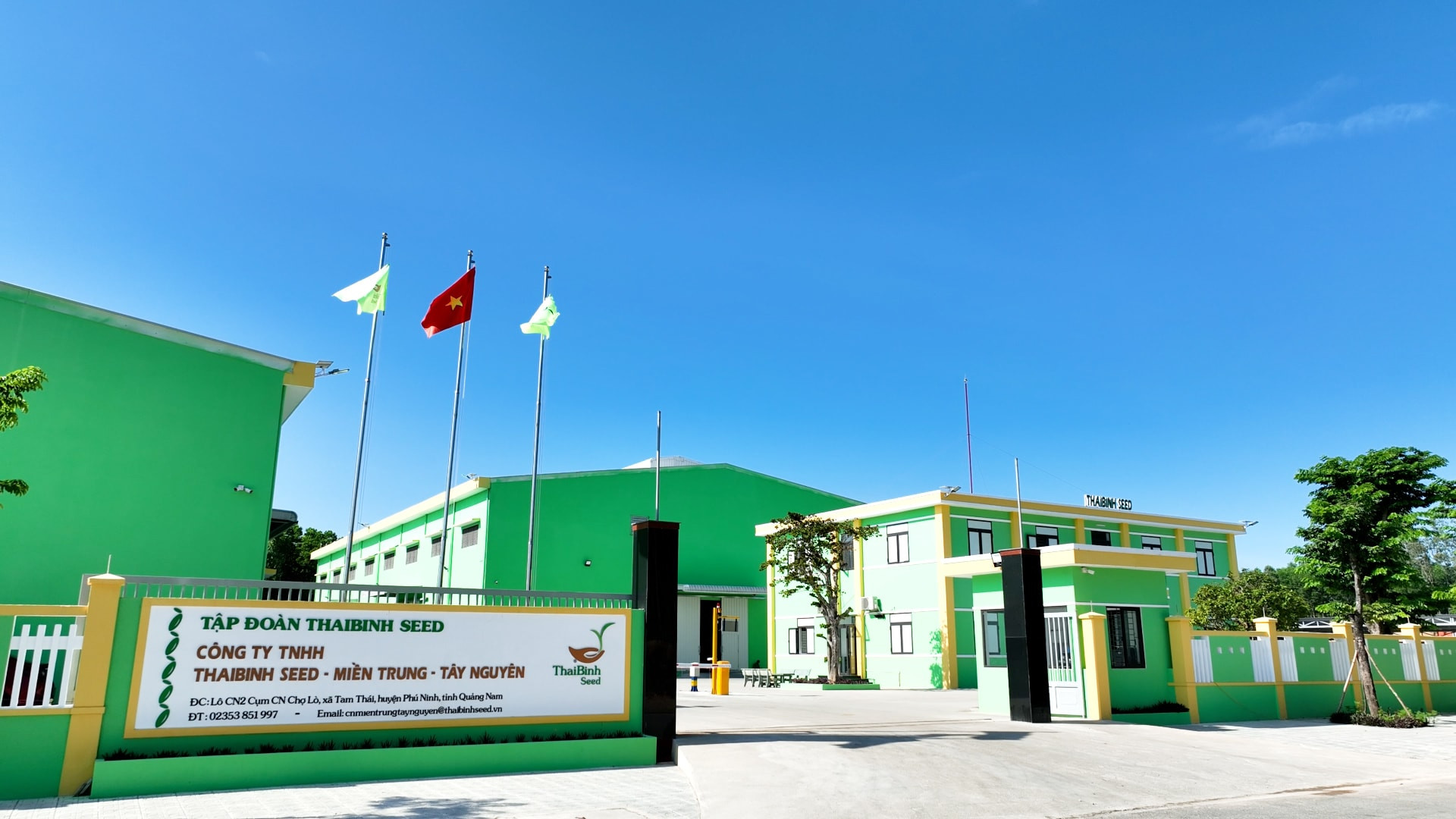
In Chien Dan Commune, numerous industrial clusters have been planned and expanded with 33 projects already in operation.
According to Chairman of Chien Dan Commune People's Committee Le Van Ninh, the industrial clusters of Doi 30, Cho Lo and Hoa Binh are being synchronously developed in terms of infrastructure while some clusters have basically completed investment procedures. This opens up prospects for attracting manufacturing enterprises and creating jobs for locals.
By 2030, Chien Dan aims for industry and construction to account for more than 50% of its economic structure, with an average annual growth rate of 12.4%.
Meanwhile, Tam Anh Commune has a special advantage as most of its land is located in the Chu Lai Open Economic Zone.
Many industrial, commercial and service projects have been already deployed here, including the THACO Chu Lai Agro-Forestry Industrial Park, Tam Anh -An An Hoa Industrial Park, Tam Anh 1 Industrial Park, and industrial zones developed in cooperation with foreign investors such as Vina Korea Industrial Park. The total land area allocated for industrial infrastructure in the commune is exceeding 1,300 hectares.
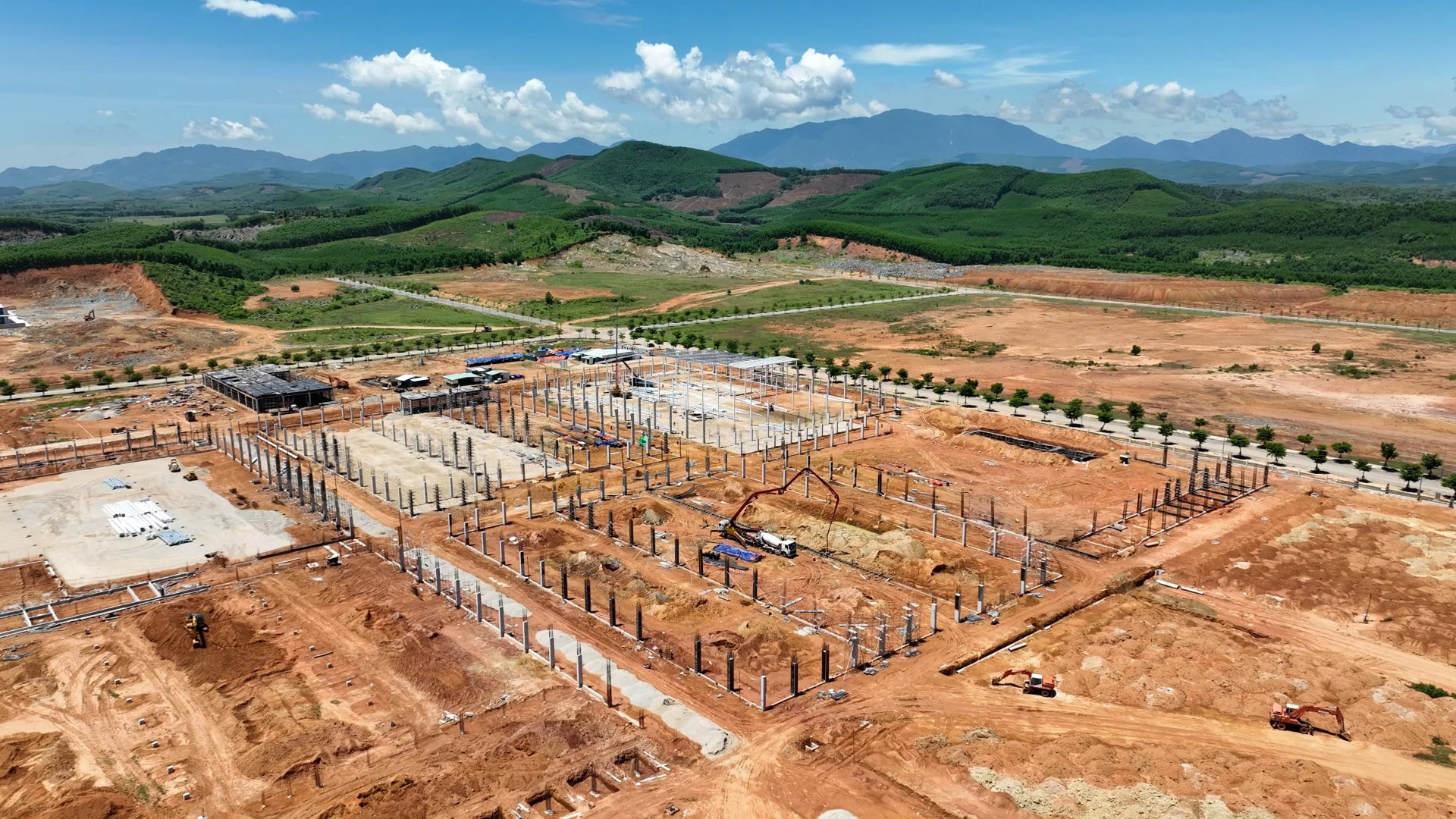
To maximize the role of industrial clusters in promoting economic development, Chien Dan Commune prioritizes accelerating administrative reform, making investment procedures transparent, and improving the quality of human resources in order to meet the requirements of industrial production.
Activities to promote industry, apply science and technology, and support for startups are strengthened to create a favorable environment for the long-term development of businesses.
At the same time, Tam Anh Commune focuses on site clearance, resettlement and ensuring people's interests in land recovery.
The commune also develops synchronous infrastructure such as electricity, water supply, transportation, telecommunications, and service and commercial areas in a bid to support industrial production and improve people's lives.
Moreover, the locality lays an emphasize on vocational training with the goal of ensuring that more than 85% of the local workforce receives training each year, thereby meeting the technical labor demands of factories and enterprises.