

Moody's upgrades Vietnam's credit rating to Ba1, with stable outlook
DNO - Moody's Ratings upgraded Vietnam's sovereign credit rating by one notch to Ba1 from Ba2, citing improving governance and the economy's shift toward higher-value-added industries. It brings the country one notch closer to investment-grade status.

On November 27, Moody's Ratings upgraded Viet Nam's sovereign credit rating by one notch to Ba1 from Ba2, bringing the country one notch closer to investment-grade status. Alongside, the Vietnam’s local-currency country ceiling was raised from Baa2 to Baa1, while its foreign-currency ceiling from Ba1 to Baa3.
Institutional overhauls, robust growth prospects and a more diversified economy have strengthened Vietnam's ability to withstand shocks, Moody's said.
Vietnam's institutional reform process, a key factor
Moody's Ratings noted that the upgrade was supported by improved governance, alongside efforts to deepen capital markets, upgrade infrastructure and human capital, and attract more sophisticated foreign investment.
Moody’s assessed that the process of institutional reform in Vietnam has accelerated markedly since late 2024. This has focused restructuring of the administrative units, streamlining of ministries, governmental agencies and local administrations, strengthening of judicial institutions and anti-corruption efforts, and expanding digitalization of public services and governmental data systems.
Governance indicators have improved significantly, approaching levels seen in some higher-rated countries. Therefore, Moody’s identified Vietnam’s commitment to institutional reform as a key governance driver behind its credit rating upgrade.
"Reforms have streamlined public administration and judicial processes, strengthened accountability and anticorruption controls and improved the regulatory environment", Moody's said, pointing to governance as a key driver of the ratings upgrade.
In August, 2026, Fitch Ratings said Vietnam's banks could come under pressure as the government pushes for rapid growth.
A diversified economic structure
According to Moody’s, strengthened institutions, a solid growth outlook, and a more diversified economic structure have enhanced Vietnam’s capacity to absorb shocks.
Moody’s evaluated that policies aimed at improving the business environment and developing the private sector are supporting the ongoing transition.
Alongside, the policies to develop capital markets, infrastructure and applying advanced science and technology, and innovation as key policy pillars also help the Vietnamese economy's shift toward higher-value-added industries.
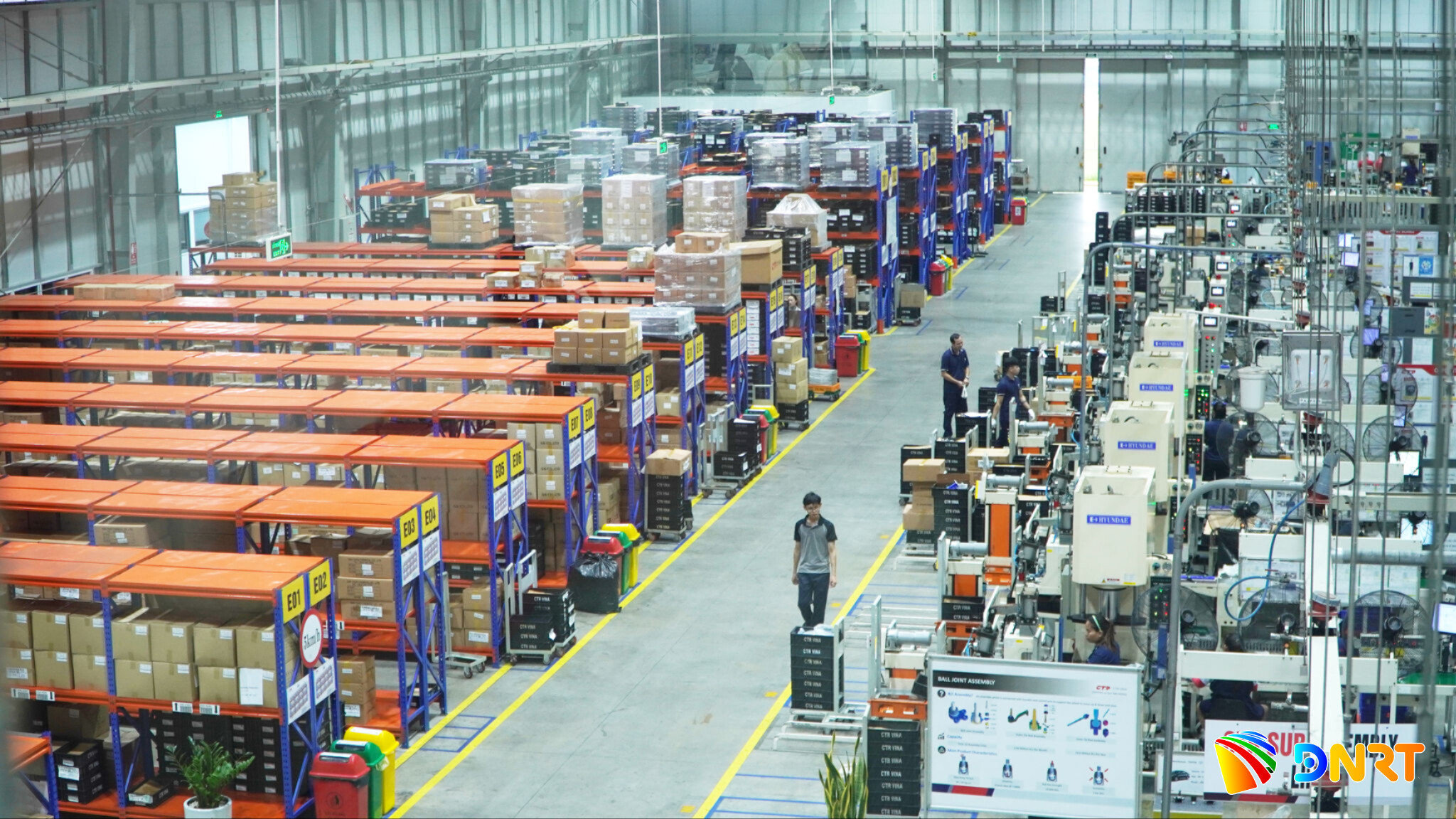
In particular, the foreign direct investment (FDI) inflows into Vietnam remain strong, increasingly focusing on semiconductors, advanced electronics, and hi-tech sectors.
As of September 30, 2026, total registered foreign investment in Viet Nam, including newly registered capital, adjusted registered capital, and capital contributions and share purchases by foreign investors, reached US$50.36 billion, up 76.4 percent year-on-year.
Meanwhile, Vietnam's real GDP growth reached 9% in the first 9 months of 2026, surpassing the 8% full-year growth recorded in 2025. higher than the 8% level of the whole year 2025.
A stable outlook
Regarding fiscal sector, Moody’s stated although Vietnam's government debt is forecast to gradually rise from around 30 percent of GDP in 2026 to approximately 35 percent by the end of the decade, it remains moderate.
This is supported by strong nominal growth and consistently prudent debt management. As a result, these factors provide fiscal space for the Vietnamese Government to scale up spending on infrastructure and economic development.
Vietnam’s credit standing in international markets continues to be strengthened, bolstering investor confidence and creating more favorable conditions for mobilizing long-term capital for socio-economic development.
According to Moody’s press release, the "Stable" outlook balances the upside potential of continued institutional and economic reforms, which would further enhance policy effectiveness and economic resilience, against several areas requiring ongoing attention.
These include data quality and transparency, regulatory quality, the effectiveness of the monetary policy framework, credit growth, and leverage within the financial system.
Amid ongoing global economic volatility and challenges, Moody’s one-notch upgrade of Vietnam’s sovereign credit rating follows R&I’s upgrade of Vietnam to investment grade on October 8, 2026.
As stated in the announcement, Moody’s upgrade once again affirms the effectiveness of Vietnam’s far-reaching institutional reforms, solid macroeconomic fundamentals, strong growth, and manageable public debt.
Reportedly, the Vietnamese Ministry of Finance and governmental agencies will continue to coordinate with Moody's and other credit rating agencies, providing complete and timely information on socio-economic, fiscal and public debt situations. These ensure that the assessment of national credit rating records is based on accurate and updated information.