

Vietnam strengthens international standardization in strategic technology development
DNO - Vietnam has become a full member of the International Electrotechnical Commission (IEC), enabling the country to play a greater role in shaping international standards and strengthening its national standards system to support strategic technology sectors.
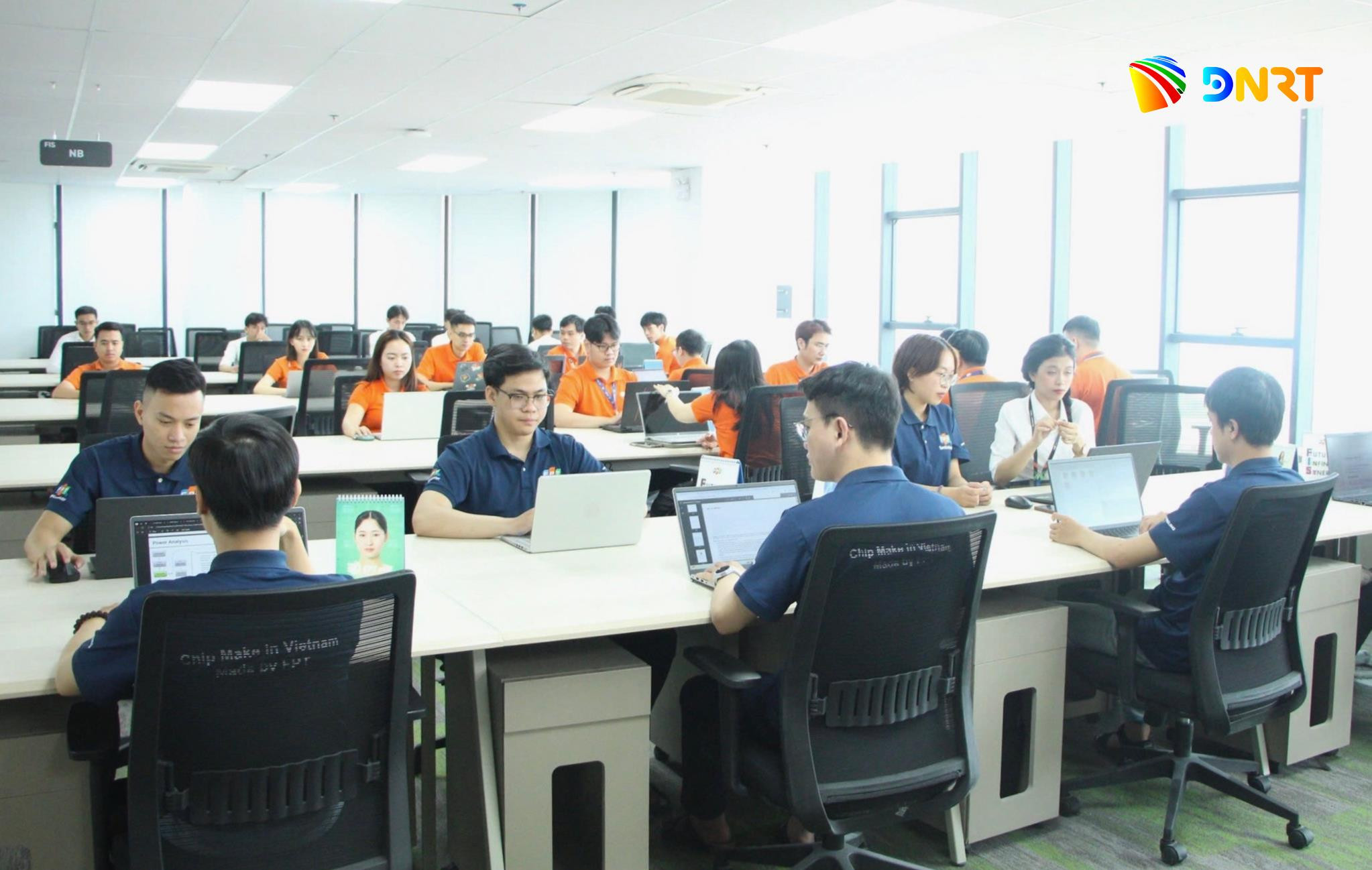
Tran Hau Ngoc, Vice Chairman of the Commission for Standards, Metrology, and Quality of Vietnam (STAMEQ) and head of the Vietnamese delegation to the 2026 IEC General Assembly, held in Hamburg, Germany, from November 16 to 20, said IEC President Jim Matthews had officially welcomed Vietnam as a full IEC member, effective in 2026.
Greater involvement in strategic technology sectors
Tran Hau Ngoc emphasized that full IEC membership not only affirmed Vietnam's standing and level of integration into the international electrotechnical standardization system but also enabled the country to participate more actively in developing, voting on, and shaping international standards in electrical, electronic, and related technologies.
It also provides opportunities for Vietnam to incorporate domestic requirements, interests, and technological development priorities into international standard-setting processes.
During the General Assembly, Vietnam engaged in bilateral and multilateral discussions with representatives of standards bodies from Australia and Japan, as well as IEC representatives from the Asia-Pacific region.
Discussions focused on future cooperation, the exchange of expertise in standards development, and testing and certification methods in such areas as AI governance, robotics, high-speed rail, renewable energy, rare earths, and hydrogen.
As a full IEC member, Vietnam will help advance the General Assembly's priorities for 2027, focusing on cooperation between the IEC, the International Organization for Standardization (ISO), and the International Telecommunication Union (ITU).
This cooperation will cover standards development and conformity assessment programs in strategic technology areas, including artificial intelligence (AI), quantum technology, green data centers, digital transformation, and green power grids.
These initiatives will provide Vietnam with access to international expertise, knowledge, and resources to develop national standards for strategic and core technologies.
Meanwhile, Decision No. 21/2026/QD-TTg on the lists of strategic technologies and strategic technology products has established a framework for technological development.
Priority areas include digital technologies, next-generation mobile networks, robotics and automation, biotechnology, biomedical technologies, energy, advanced materials, semiconductor chips, cybersecurity, quantum technology, marine technology, aerospace, high-speed rail, and urban rail systems.
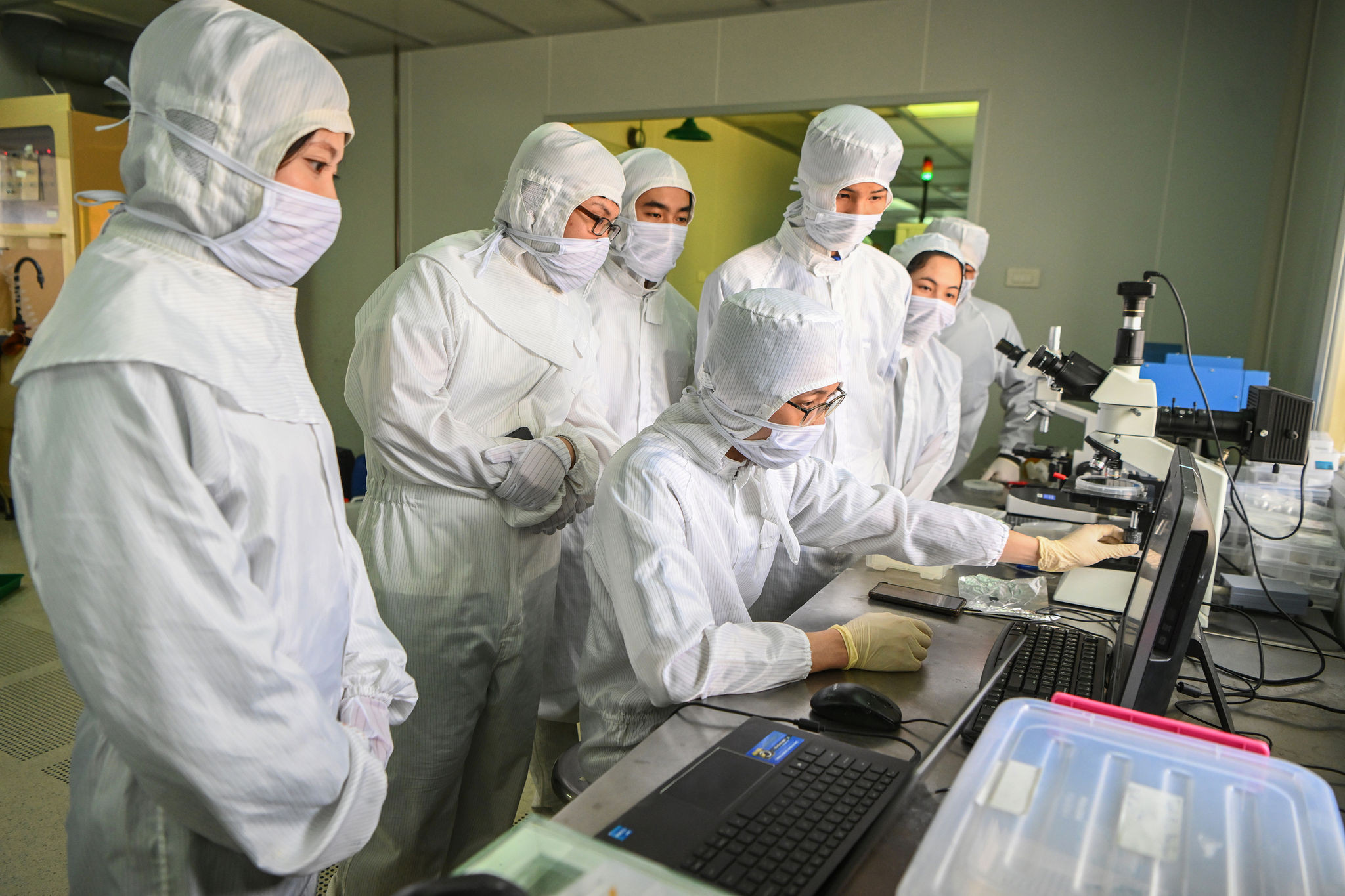
Based on this framework, national technical committees under STAMEQ are reviewing and compiling lists of national, international, regional, and foreign standards to support strategic technologies and related products.
This approach will help shorten standardization timelines, improve international compatibility and interoperability, and facilitate the integration of Vietnamese technology products and services into global value chains.
Modernizing standards development
IEC Secretary-General Philippe Metzger proposed modernizing standards development procedures to reduce the time needed to develop an IEC standard, which currently averages four years.
The proposed reforms aim to respond more effectively to rapidly changing market demands and technological advances, particularly in areas involving AI applications.
The rapid development of AI, energy systems, and automation is placing increasing pressure on standardization bodies to adapt and maintaining common standards, safety, and interoperability.
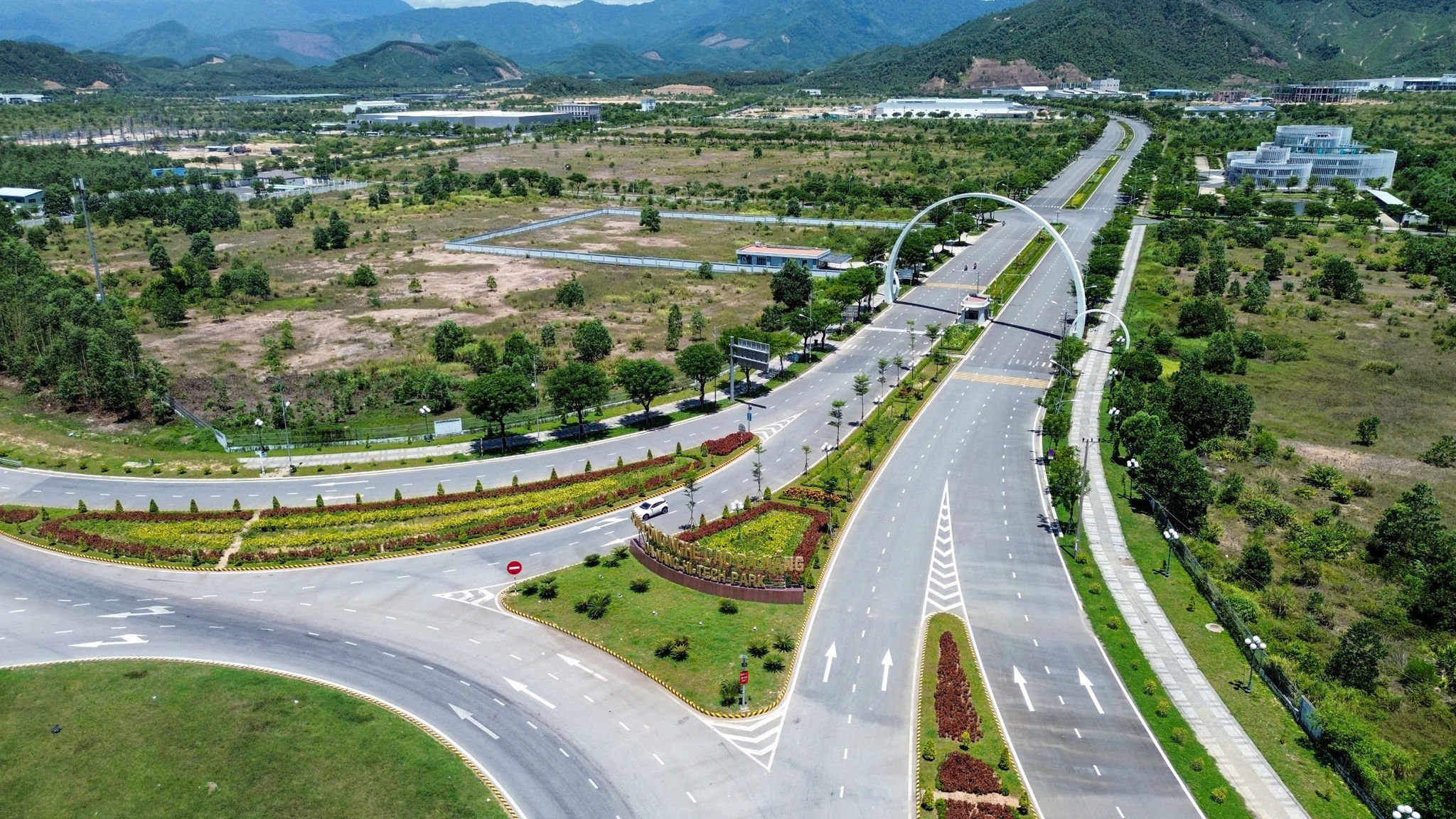
Tran Hau Ngoc stressed that Vietnam's full IEC membership required a decisive shift from adopting existing standards toward actively contributing to and shaping international standards, particularly in strategic technology sectors.
Vietnam will therefore align its participation in the IEC with its national standards development strategy, prioritizing Vietnamese national standards for emerging and strategic technologies such as AI, quantum technology, robotics, smart grids, renewable energy, hydrogen, and data infrastructure.