

Da Nang, UNDP explore cooperation in green finance, urban development, AI
DNO - Da Nang is seeking to strengthen cooperation with the United Nations Development Programme (UNDP) in green finance, sustainable urban development, climate resilience and artificial intelligence (AI) as the city advances its vision of becoming a green, smart, and innovation-driven urban center.
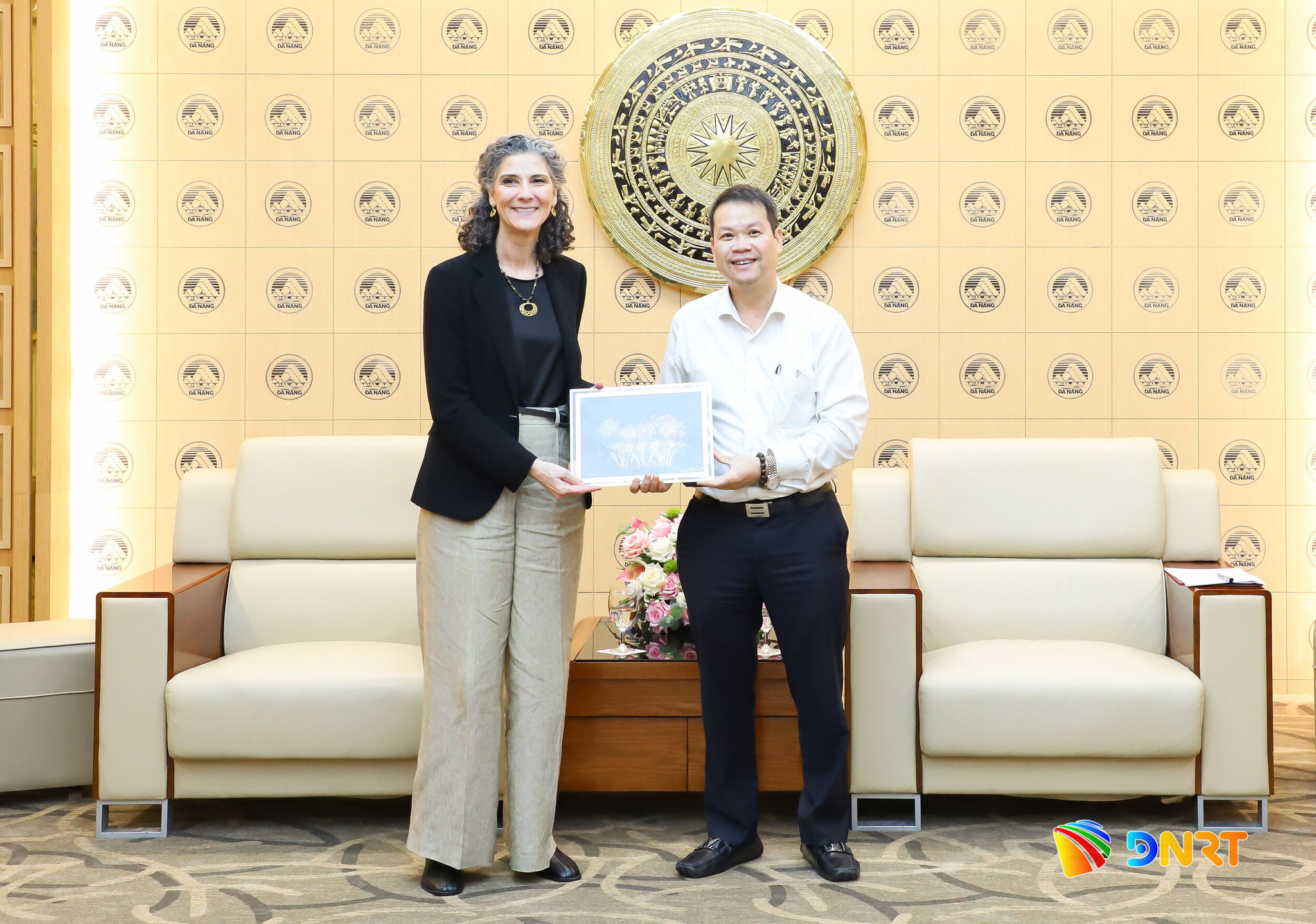
On the afternoon of November 23, Mr. Nguyen Manh Hung, Deputy Secretary of the Da Nang Party Committee and Chairman of the municipal People’s Committee, received a delegation led by Ms. Ramla Khalidi, UNDP Resident Representative in Viet Nam, during its working visit to the city.
At the meeting, Mr. Nguyen Manh Hung spoke highly of UNDP’s active support for Da Nang in recent years, particularly its contributions to promoting innovation, improving the urban environment, protecting the environment, and advancing sustainable development.
Da Nang now enjoys expanded development space and considerable potential. The city is focusing on green finance, science and technology, innovation, and digital transformation while pursuing its goal of becoming an ecological, civilized, and climate-resilient city. It is also accelerating the development of a green and circular economy.
Against this backdrop, the municipal leader proposed three key areas of cooperation with UNDP.
The first is the development of international finance, green finance, and resource mobilization through the Vietnam International Financial Center in Da Nang (VIFC - DN).
The city hopes to receive UNDP’s support in building a sustainable finance ecosystem, researching, and developing green financial instruments, mobilizing green capital, and advancing digital finance and digital technologies.
Cooperation should also focus on connecting with investment funds, developing human resources, and organizing international forums and investment promotion activities on green finance.
The second area involves green urban development, climate change adaptation, the circular economy, and environmental protection. Da Nang proposed that UNDP support the development of climate adaptation programs, strengthen urban resilience and improve risk assessment capabilities.
Particular attention would be given to integrated research on the Vu Gia - Thu Bon river basin, water resource management and pollution control throughout the basin.
The city also seeks UNDP's expertise, solutions, and resources to help businesses, particularly small and medium-sized enterprises (SMEs), adopt more sustainable production and business models through efficient resource use, energy conservation, and green economic practices. Joint efforts should also support environmental protection and climate adaptation projects.
The third area focuses on innovation, AI applications and smart urban governance. Building on the Da Nang City Lab initiative established in 2019, the city proposed that UNDP support the development of a more comprehensive and specialized model, with stronger connections to its global network of experts and innovation laboratories.
The two sides can also cooperate in researching and applying AI to urban management, smart transport, environmental protection, tourism, and public service delivery.
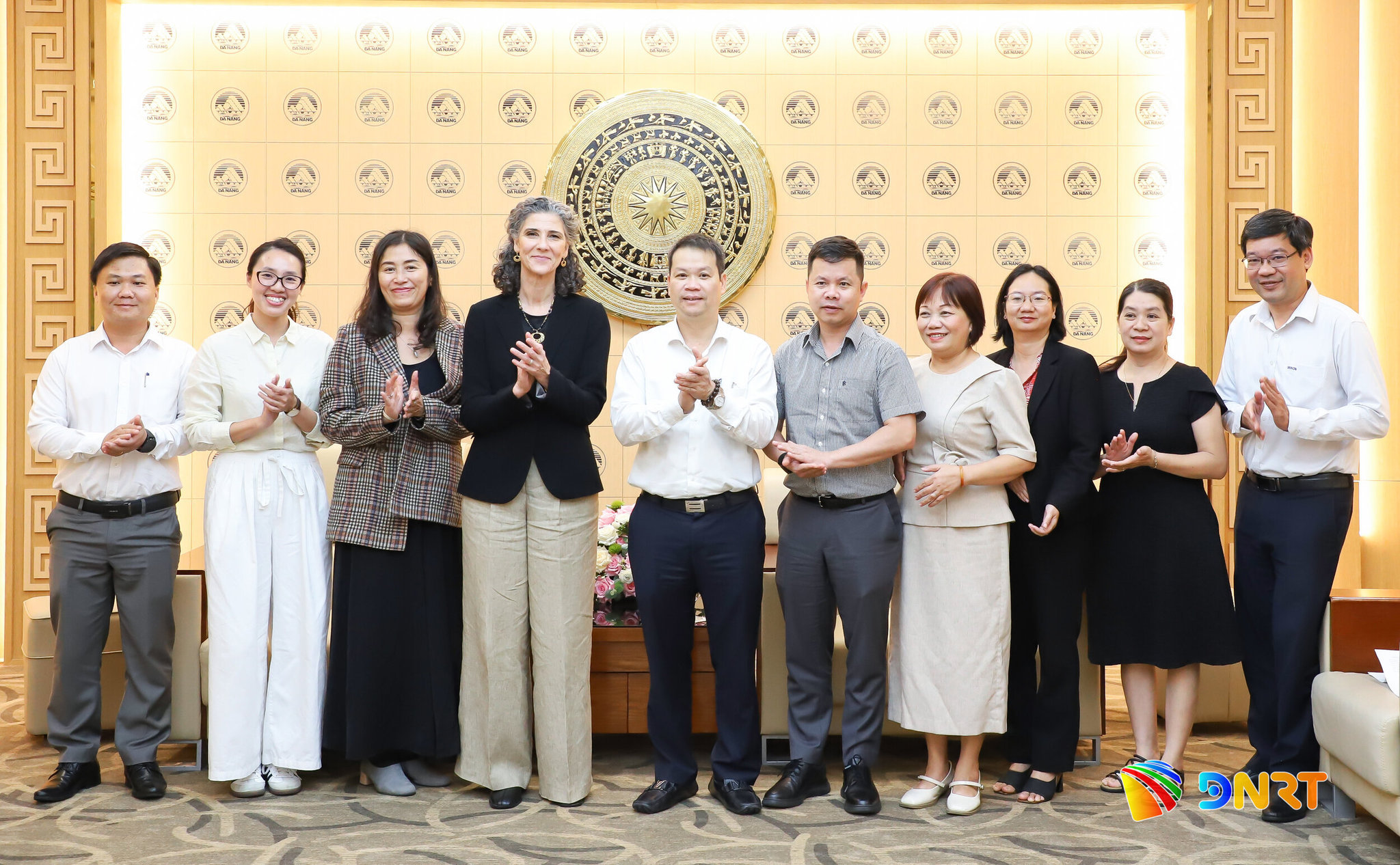
Sharing international experience in policy experimentation and identifying appropriate governance models is expected to help Da Nang strengthen its innovation ecosystem and attract even more international investors in the time ahead.
The Da Nang administration leader also underscored the importance of cooperation in education and human resource development, particularly in cultivating highly skilled professionals.
The city hopes to work with UNDP on research, training and capacity-building programs for young people, start-up entrepreneurs and policymakers.
For her part, Ms. Ramla Khalidi congratulated Da Nang on joining UNDP’s Financial Centres for Sustainability (FC4S), and commended the city’s progress in green development, innovation, and human resource development.
She affirmed UNDP’s interest in and readiness to support Da Nang in climate change adaptation. Building on the existing partnership, she suggested that the city explore new cooperation models, including the Sustainable Development Goals Innovation Lab (SDG Lab).
UNDP has established innovation laboratories in 10 cities across China and in several localities throughout the region. A key feature of this model is the integration of policy experimentation, applied research, and innovation ecosystem development.
Through such laboratories, local authorities can allocate resources to pilot policies, assess their effectiveness, and measure their impact before deciding whether to scale them up or make adjustments.
Besides, UNDP can also support Da Nang in addressing long-term challenges, including reducing emissions in industrial parks, adapting to climate change, mitigating urban flooding and responding to population ageing.
The proposed areas of cooperation reflect a shared commitment to sustainable development and open up opportunities for Da Nang to draw on UNDP’s international expertise, strengthen institutional capacity and advance its transition towards a greener, smarter and more resilient future.