

Da Nang strengthens labor cooperation with Japan
DNO - The Da Nang Department of Home Affairs has held a meeting with Japan’s CIC and Giavi Viet Nam Manpower Construction Joint Stock Company (GVC VINA) to strengthen cooperation in recruiting, training and supplying local workers for employment in Japan.
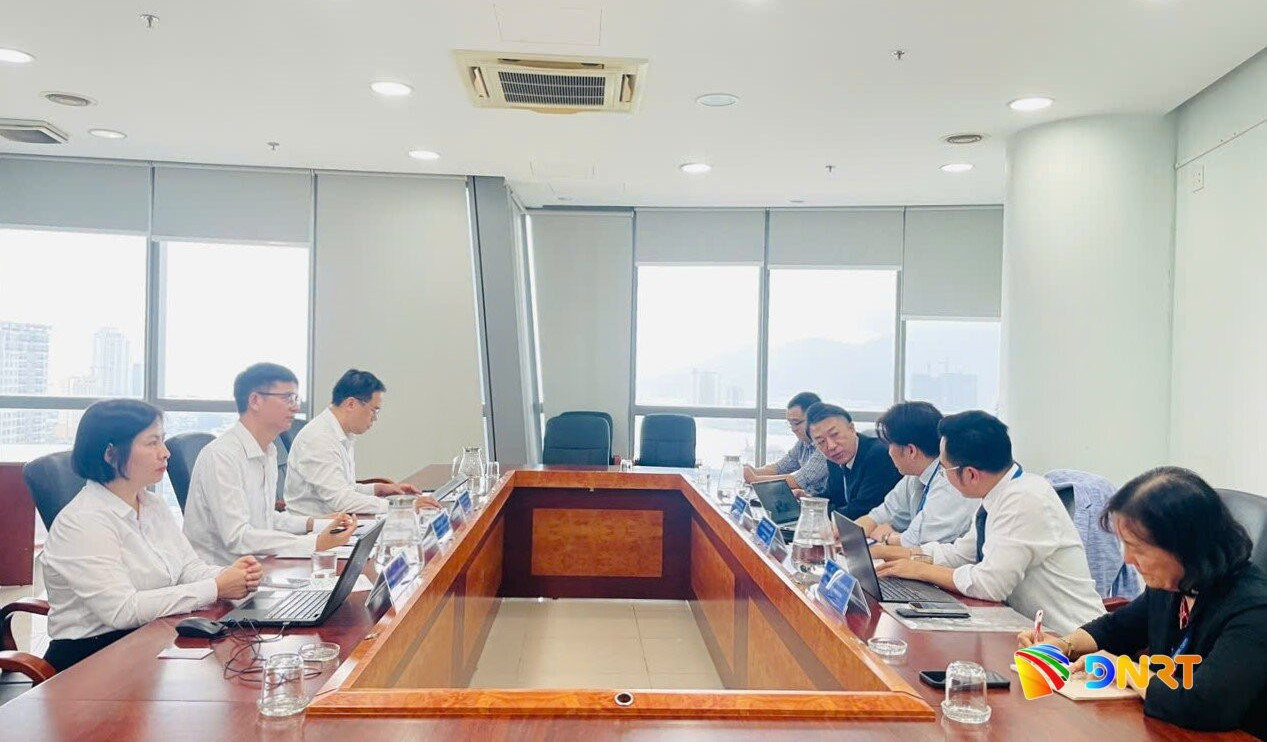
At the meeting, Nguyen Qui Quy, Deputy Director of the Department of Home Affairs, provided an overview of the city’s labor and employment situation, highlighting its focus on improving workforce quality and expanding overseas employment markets under labor contracts.
He noted that Japan remains a key labor market for Da Nang, attracting considerable interest from local workers thanks to its diverse recruitment needs, professional working environment and opportunities to improve professional qualifications and occupational skills.
Strengthening connections with Japanese organizations, labor unions and businesses will help expand employment opportunities while enabling local workers to receive training, develop vocational skills, adopt industrial working practices and increase their incomes.
CIC currently manages approximately 690 Vietnamese workers employed by 130 businesses and organizations across Japan, in sectors including transportation, industry, agriculture and tourism, among others.
In 2027, CIC plans to recruit approximately 500 workers to supply businesses and organizations in Japan. Da Nang is among the key localities targeted in its upcoming recruitment plans.
A representative of CIC also shared information about training programs and employment opportunities aimed at developing workers’ skills in Japan, as well as the country’s policies on receiving foreign workers, employers’ recruitment needs and requirements for program participants.
Notably, CIC offers scholarship policies to support workers seeking employment in Japan. One example is financial assistance of approximately VND13 million per person to cover Japanese language training costs up to the N5 level.
The Department of Home Affairs proposed that CIC help connect GVC VINA with Japanese businesses seeking workers, enabling the parties to engage directly, understand actual recruitment requirements and develop suitable plans for workforce selection, training, and supply.
The Department also requested that CIC submit an official document outlining its proposed preferential support policies for workers from Da Nang.
These include financial assistance for N5-level Japanese language training, advance loans for study expenses for 20 workers, and Japanese language tuition support for workers who have attained N3 proficiency after arriving in Japan.