

Da Nang builds momentum as creative arts hub
DNO - Contemporary artistic practices, emerging creative spaces and cultural initiatives are reshaping Da Nang’s artistic landscape, opening up new possibilities to develop a distinctive creative identity.
Building an ecosystem for creativity
Da Nang is taking gradual steps to establish a more comprehensive cultural and creative ecosystem, positioning arts as an important driver of urban development.
Under its plan to develop cultural industries through 2030, the city aims to achieve average annual growth of 10 - 11% in these sectors, in tandem with strengthening support for creative businesses, expanding cultural spaces and promoting digital technologies in artistic production and distribution.
The strategy also emphasizes closer cooperation among local authorities, businesses, artists, creative communities, and residents. Making better use of public spaces, digitizing cultural heritage, and connecting the arts with tourism and services are among the priorities.
Ultimately, the city hopes to build a complete value chain spanning artistic creation, production, performance, promotion, and consumption, as well as attract greater social investment and developing a professional art market.
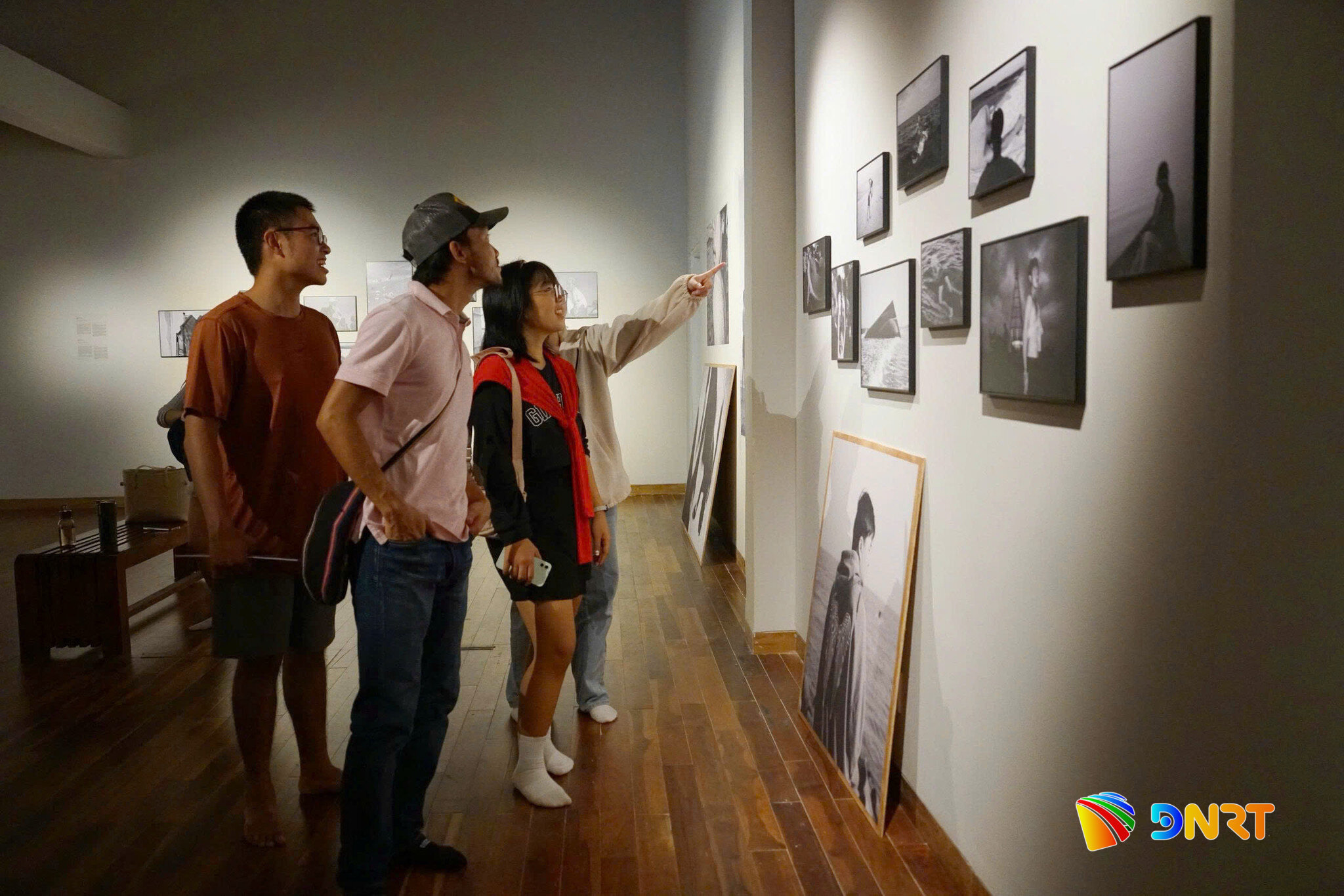
On the ground, signs of a more diverse artistic community are becoming increasingly visible. Xuan Ha, founder of the A Song artistic group, observes that Da Nang has welcomed more emerging artists and provided younger local practitioners with greater opportunities to present their work.
Artists and cultural practitioners from other parts of the country are also choosing the city as a place to live and pursue their creative activities.
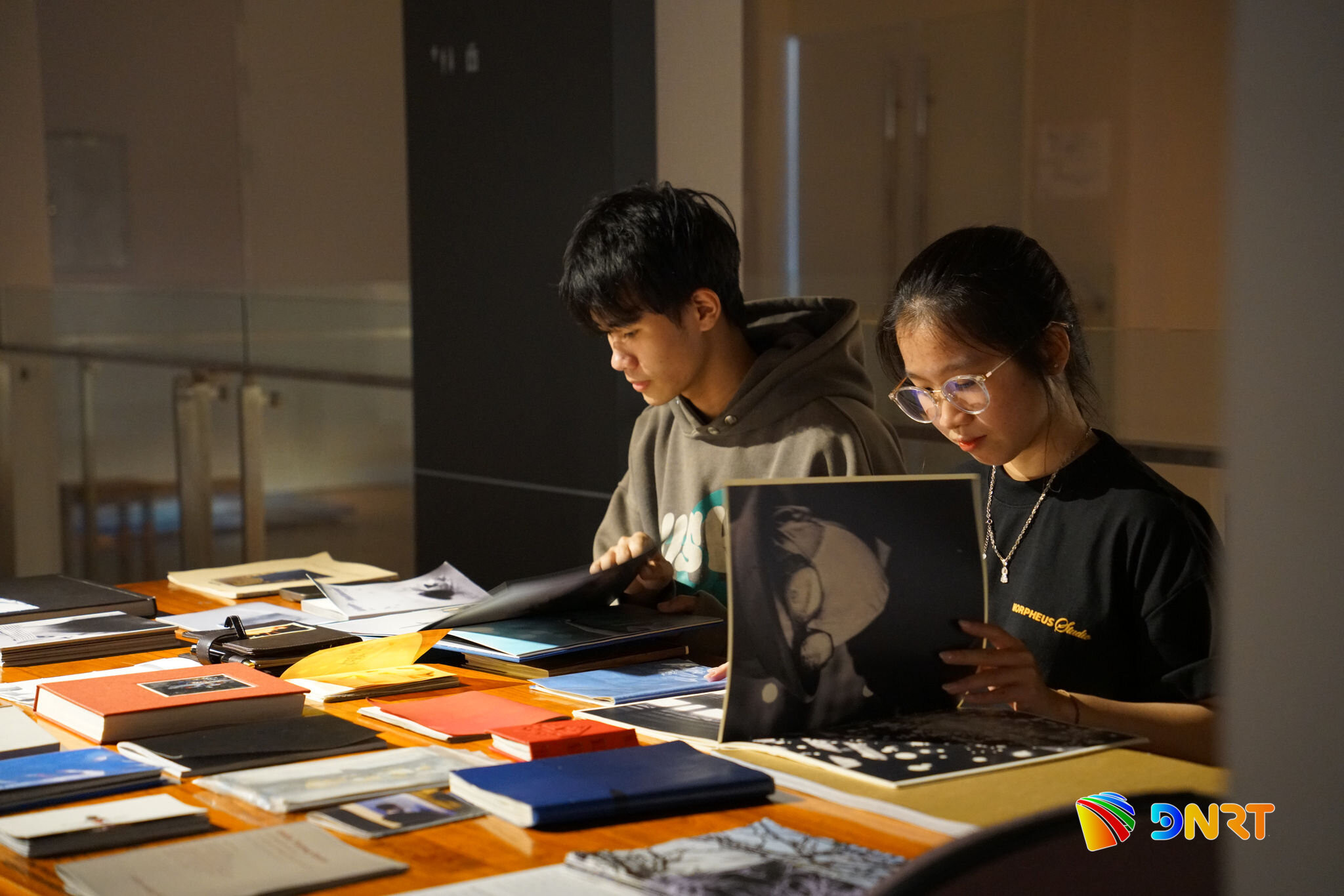
Vietnam had 70,321 establishments operating in cultural industries in 2022, with average annual growth of 7.21% between 2018 and 2022.
The number of cultural, artistic and creative spaces rose from 40 in 2017 to 198 in 2021 and more than 300 in 2022.
In Da Nang, organizations and spaces such as DNES, Old Soul, A Song, VCIL and Lo Gach Cu (Old Brick Kiln), alongside events including Da Nang Asian Film Festival, Da Nang Art Fair and Da Nang International Fireworks Festival, are contributing to the city’s evolving creative landscape.
Reinterpreting heritage through contemporary art
A particularly compelling dimension of this transformation is the way artists are drawing on traditional cultural materials to create new forms of expression.
At the 2026 Da Nang Creative Arts Connection (DACC), two works - Pajieng/Rebirth and Fragments - offered distinctive perspectives on Cham cultural identity, heritage and memory.
Pajieng/Rebirth, a dance and musical performance, is the second experimental work in Haluw (Source), a long-term artistic project initiated by Van Huyen.
Musicians Ngoc Huu Saranai and Ja Viet explore new sound possibilities through traditional instruments, bringing inherited musical materials into a contemporary performance language.
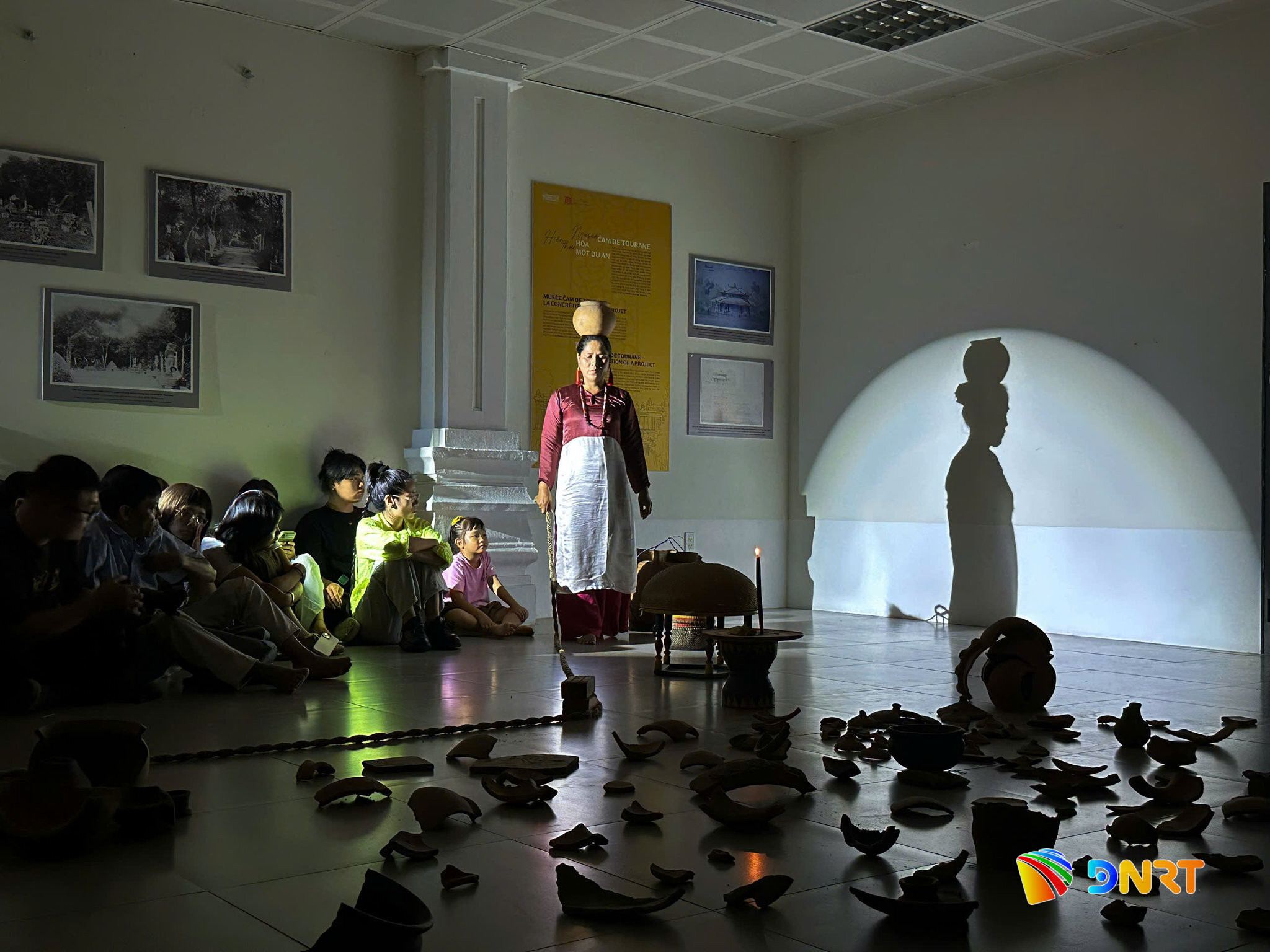
Meanwhile, artist Kieu Maily's multimedia performance ‘Fragments’ combines installation art and bodily movement to explore cultural memory through broken pottery and objects associated with traditional life.
Inspired by years of cultural research and personal experiences, she brings together objects such as traditional ceramic vessels and household utensils with images of the sea, sand, fragments of boats and heritage sites including My Son, Cu Lao Cham and Dong Duong.
These elements evoke stories of migration, cultural exchange, and historical continuity. Another notable example is Teh Dar, presented by Lune Productions in Hoi An.
Choreographed by Ngo Thanh Phuong, who is also one of its four creators, the production draws inspiration from the Central Highlands, combining dance, circus and contemporary music to evoke the region's forests and indigenous cultural life.
The challenge is not simply to reproduce traditional cultural materials, but to capture their underlying spirit and discover new ways to express them through movement.
This approach allows cultural values to remain relevant while opening them up to audiences with different backgrounds and experiences.
From cultural events to a lasting creative identity
Alongside performances, museums and cultural institutions are also exploring new ways to bring heritage closer to contemporary audiences.
Exhibitions, performances and artistic exchanges enable visitors to appreciate not only the historical and artistic treasures preserved at the museum but also their continuing relevance in modern life.
Ms. Le Thi Thu Trang, Director of the Da Nang Museum of Cham Sculpture
When thoughtfully organized, contemporary artistic activities can enrich public engagement with cultural heritage. The city has three important advantages on which to build.
These include its policy commitment to making creativity an endogenous driver of development, its diverse cultural heritage shaped by maritime traditions, Bai Choi folk art and the gong culture of the Central Highlands, and its growing knowledge infrastructure.
The next step is to connect these strengths into a coherent ecosystem where artists can experiment, collaborate, and develop their work over time.