

Hai Van Gate to take bigger role in heritage tourism
DNO - Da Nang and Hue are seeking to strengthen cooperation in managing and promoting Hai Van Gate, a historic mountain pass landmark.
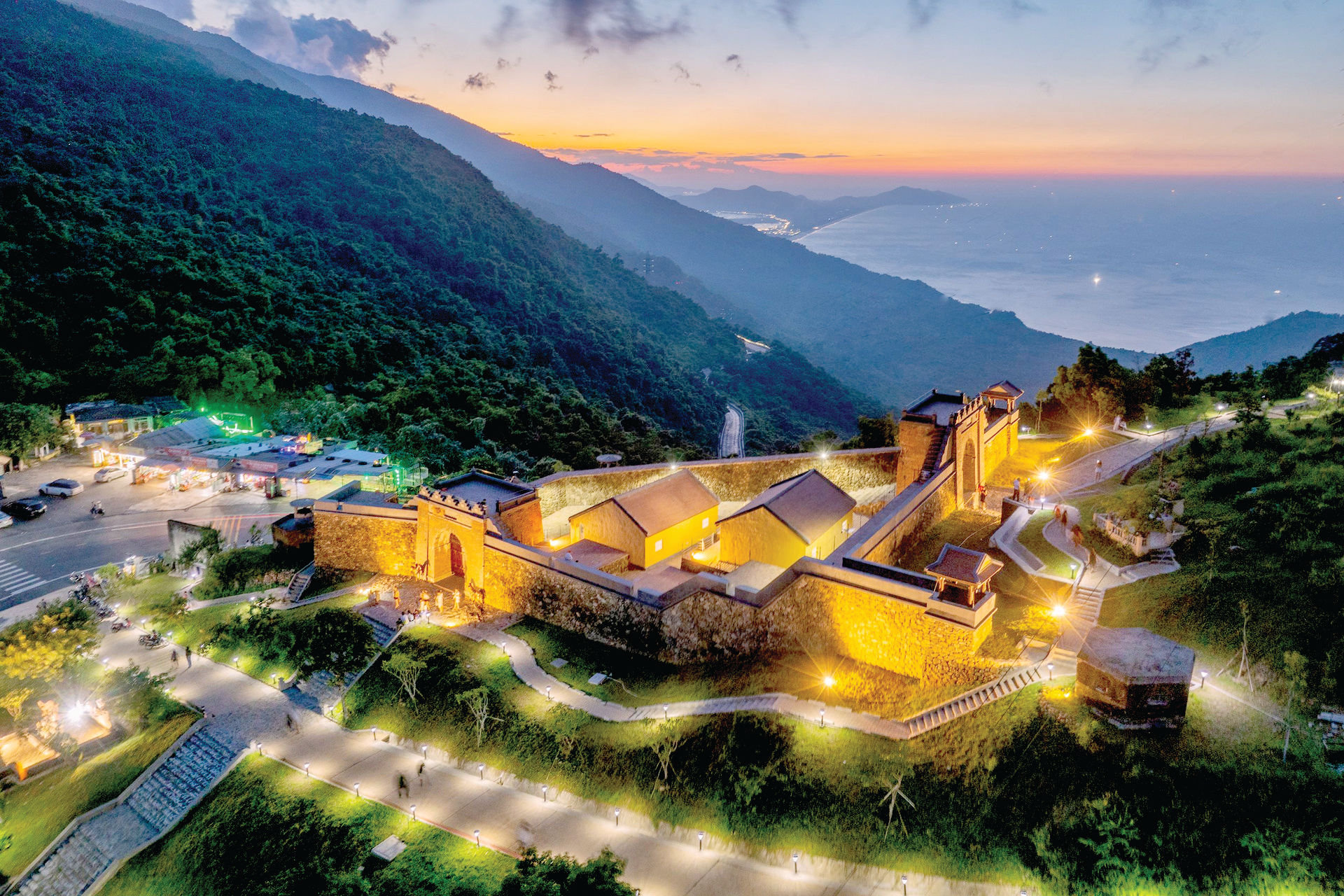
Da Nang and Hue are stepping up efforts to unlock the tourism potential of Hai Van Gate, with plans to improve site management, enhance visitor experiences and position the historic landmark as a key stop on a wider Central Vietnam heritage journey.
At a meeting on November 17, Da Nang People's Committee Vice Chairwoman Nguyen Thi Anh Thi and a delegation from Hue led by People’s Committee Vice Chairman Tran Huu Thuy Giang discussed the management of the national relic site, as well as cooperation in tourism development between the two localities.
The restoration of Hai Van Gate was completed at a cost of VND42 billion, and the site opened to visitors on August 1, 2024. Under an agreement reached by the two localities on September 10, 2024, management responsibilities are rotated every three years.
The Hue Monuments Conservation Center is overseeing the first management term, which runs through the end of 2028. It began collecting entrance fees on June 2, 2026.
By October 31, 2026, Hai Van Gate welcomed 76,727 visitors, including 23,955 international tourists and 52,772 domestic visitors, generating more than VND4.9 billion in revenue.
At the meeting, Vice Chairwoman Nguyen Thi Anh Thi called on relevant agencies from both cities to finalize and sign a coordination regulation on the management, protection and promotion of Hai Van Gate in December 2026, providing a clearer legal framework for long-term cooperation.
She stressed that the relic should be regarded as a shared heritage asset rather than simply a site located on the administrative boundary between the two localities. Its position between Da Nang and Hue should serve as a catalyst for closer cooperation, shared responsibility and more effective management.
She also urged both sides to improve the way the site’s history and significance are presented to visitors, in tandem with strengthening safety measures and linking Hai Van Gate with the two cities’ cultural and heritage tourism offerings.
Alongside the management of Hai Van Gate, the two localities discussed a broader tourism partnership aimed at refreshing destinations, improving service quality and developing products that can attract and retain key visitor markets.
One priority is to renew their cooperation memorandum, with consideration given to a three-party agreement involving Hue, Da Nang and Quang Tri to reflect the changing regional context.
A major focus will be placed on promoting the development of distinctive cross-regional tourism products, particularly the “Central Heritage Road” linking the Complex of Hue Monuments with heritage sites, scenic landscapes, cultural spaces and other attractions in Da Nang.
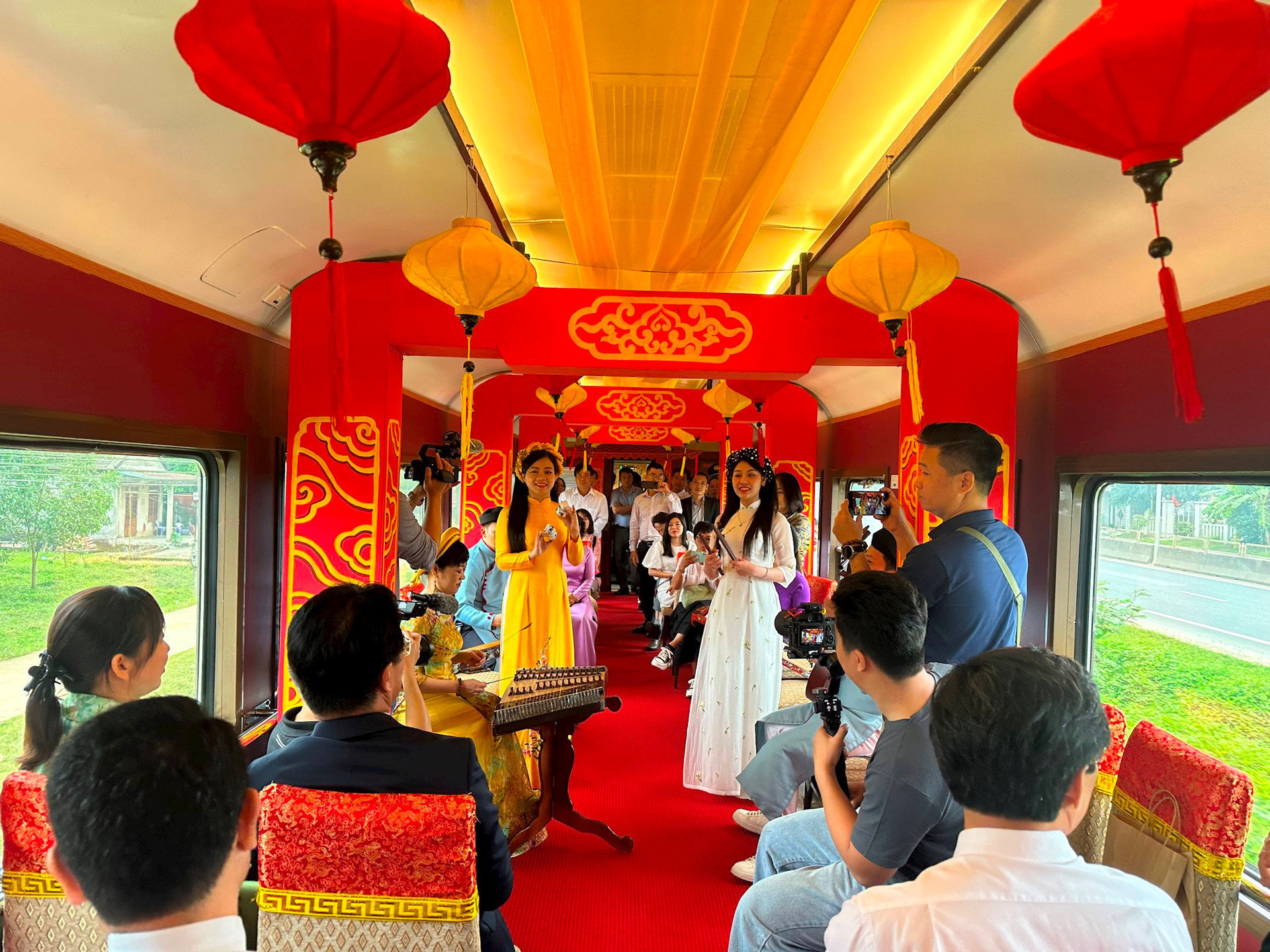
Besides, the two cities plan to develop three-to-five-day itineraries combining heritage, culture, cuisine, ecotourism, leisure, and wellness experiences for domestic and international travelers.
Other proposals include exploring a steam train service between Hue and Da Nang and organizing overseas tourism promotion programs in 2027, prioritizing markets with strong growth potential.
The cities will also coordinate promotional activities for major events, including Hue Festival, the Da Nang International Fireworks Festival (DIFF), the Da Nang Asian Film Festival (DANAFF) and the Da Nang International Food Festival.
Cooperation is expected to extend to cultural activities, event organization, public administration experience-sharing, digital transformation, workforce training and green tourism.
Da Nang and Hue were two major tourism hubs in Central Vietnam, with strong potential to jointly develop competitive tourism products, itineraries and brands for domestic and international markets.
With its historic architecture and dramatic mountain setting, Hai Van Gate has the potential to become more than a scenic stop along the Hai Van Pass.
Stronger cooperation between Da Nang and Hue could give the site a more prominent place in journeys that bring together the region’s history, landscapes and living cultural heritage.