

Da Nang seeks to turn cuisine into tourism draw
DNO - Da Nang’s culinary heritage offers a rich foundation for tourism. Preserving authentic flavors, improving dining experiences and strengthening promotion are key to turning local cuisine into a distinctive tourism product.
Bringing food experiences to life
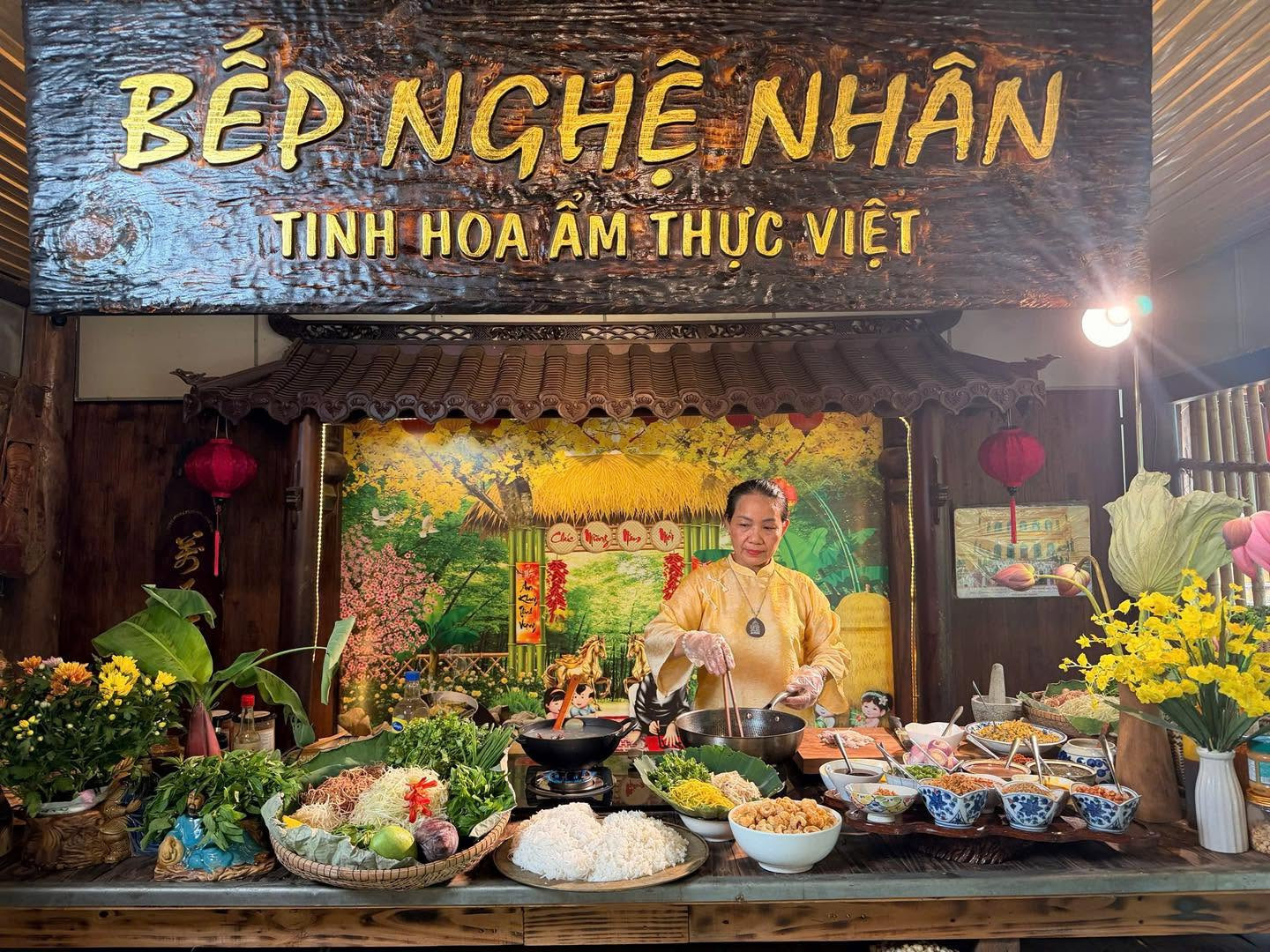
Con Market welcomes more than 2,000 visitors a day, many of whom come to explore its stalls, shop for local products and sample regional specialties.
Its food section is particularly popular, offering signature dishes such as pork wrapped in rice paper, Quang noodles and “cao lau”, a noodle dish associated with Hoi An.
The variety of local food, combined with the lively atmosphere, has made the market a familiar stop for visitors seeking an authentic taste of Da Nang.
Before setting off, many visitors now turn to social media to research local specialties, find recommended eateries and plan food-related activities. This presents an opportunity for content creators to help bring regional cuisine and local dining destinations to wider audiences, particularly younger travelers.
Mr. Ho Dac Tien, a resident of Hai Chau Ward and creator of the TikTok channel “Da Nang Thu Thiet”, has built an online following of more than 130,000 people, with three million likes.
His videos regularly feature local dishes, eateries and distinctive aspects of the city’s food culture. Social media has become an effective promotional channel for the tourism sector, allowing businesses to reach different groups of potential visitors directly.
Authentic videos showing dishes and their places of origin can inspire viewers to seek out these experiences themselves.
Mr. Tien has encouraged restaurants and food businesses to work more closely with content creators to expand their reach, strengthen their public image and build recognizable culinary brands.
Building a distinctive culinary identity
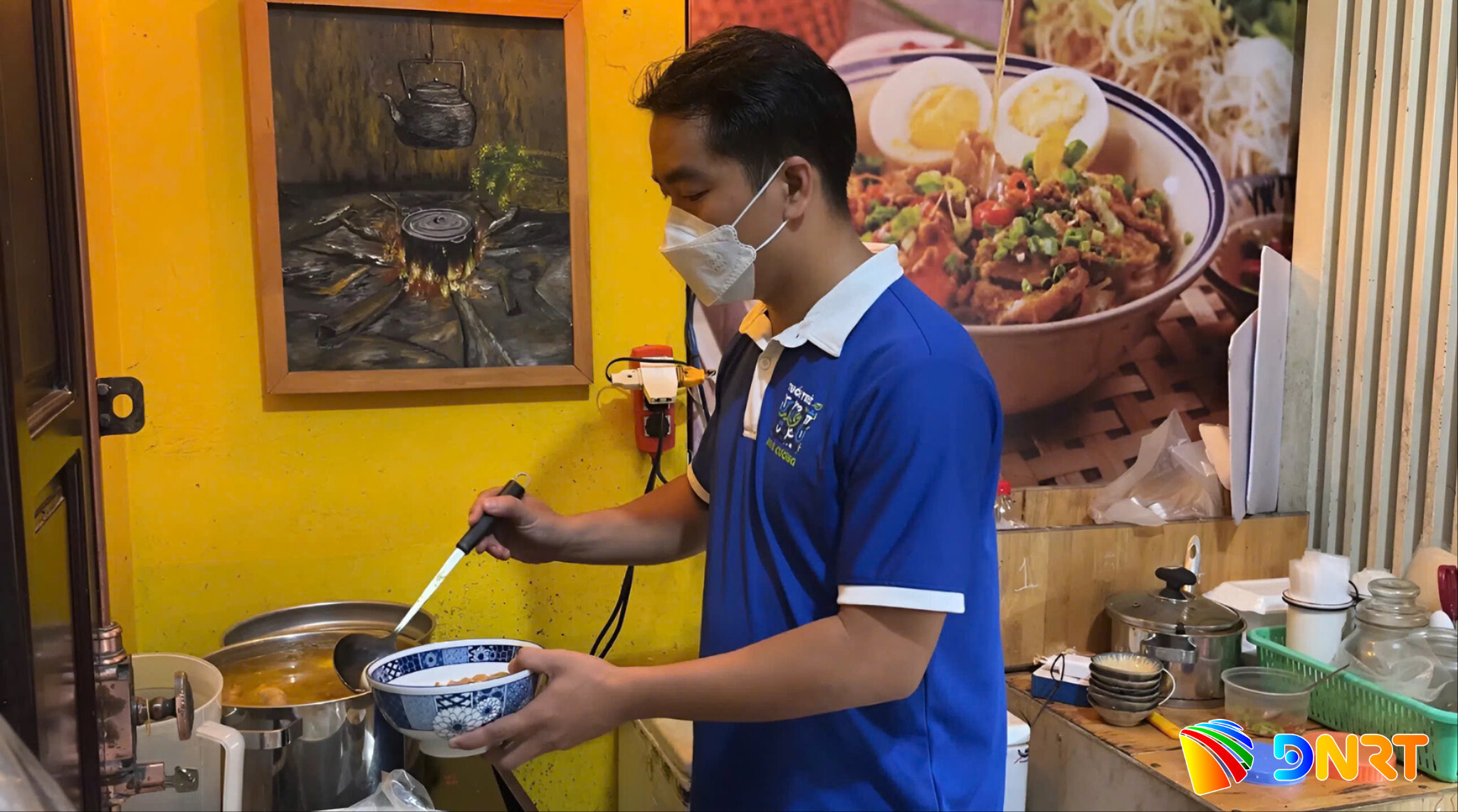
For Mr. Tran Dinh An, a restaurant owner in Hoa Cuong Ward, Quang noodles are more than a business opportunity. His eatery serves several varieties of the regional specialty, with toppings including shrimp, beef, chicken and snakehead fish.
Prices start at VND25,000 (approximately US$1) per bowl, and the restaurant sells an average of 80 to 100 servings a day. Maintaining the dish’s authentic flavor is essential to winning customers’ loyalty. Ingredients such as peanut oil and “cu nen”, a type of local shallot, play an important role in giving Quang noodles their distinctive taste.
Alongside the food, Mr. An has designed the restaurant with a rustic interior inspired by Hoi An, adding a cultural dimension to the dining experience.
A bowl of Quang noodles tells a story about the region’s culture, everyday life and culinary traditions. Combining local dishes with spaces that reflect identity can help visitors gain a deeper appreciation of the destination.
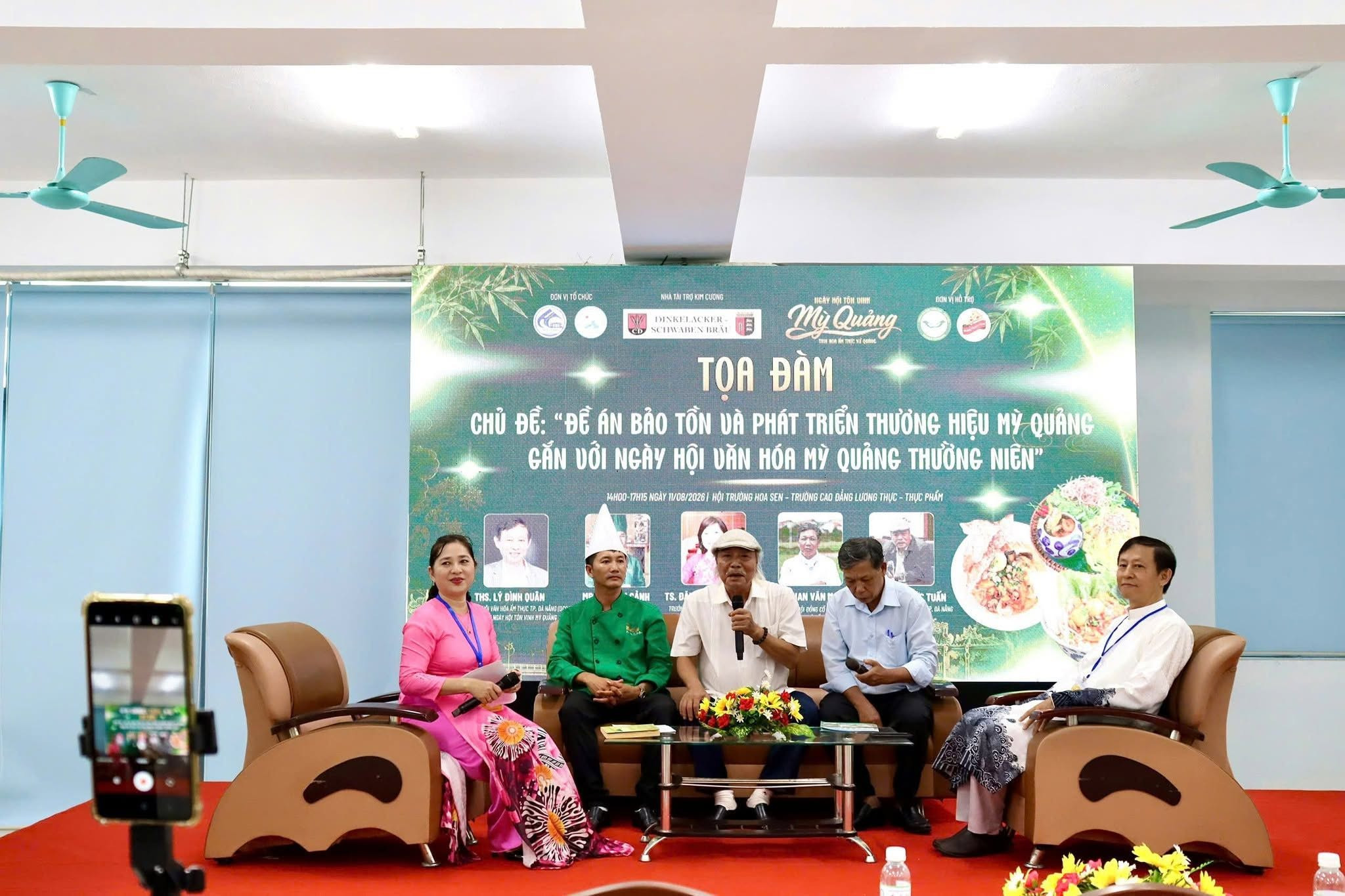
The Da Nang Culinary Culture Association has also been working to raise the profile of local food and promote it as a signature tourism offering.
Recent activities include a photography competition on tourism and local cuisine, the 2026 Quang Noodles Appreciation Day, “Quang Noodles - Cultural Heritage and a Driver of Development” seminar, and Da Nang Food Tour Festival 2026.
These initiatives have introduced local specialties through a mix of culinary experiences, cultural activities and modern media platforms.
The Association has also strengthened links with training institutions, international organizations and businesses to encourage research, innovation and wider promotion of the city’s food culture.
Connecting cuisine with culture and tourism
Looking ahead, special heed will be paid to encouraging more young people to participate in promoting and developing local culinary culture, as well as creating a Da Nang food map and improving traceability and the quality of signature dishes.
Greater links with the One Commune - One Product (OCOP) program are also expected to help raise the profile of local food products.
With more than 100 members, the Da Nang Culinary Culture Association aims to apply digital technologies to member management and networking, in parallel with working with travel companies to develop culinary tours, cooking classes, craft village visits and promotional events.
A key priority is to tell stories behind local food by connecting dishes with landscapes, traditions and communities that have shaped them. Quang noodles, traditional fish sauce-making villages, Tra Que vegetable village and Hoi An’s “cao lau” are among the cultural assets that could feature in these experiences.
By bringing together food, heritage and livelihoods, Da Nang can create opportunities to explore the region’s identity, meet local communities and discover the traditions behind its distinctive flavors.
With stronger links between cuisine, culture and tourism, Da Nang has an opportunity to make its flavors a signature attraction, enriching visitor experience, supporting local businesses and preserving culinary heritage.