

Da Nang eyes new opportunities in Muslim travel market
DNO - With its coastal appeal, luxury resorts and growing international connectivity, Da Nang is well positioned to attract high-spending Muslim travelers.
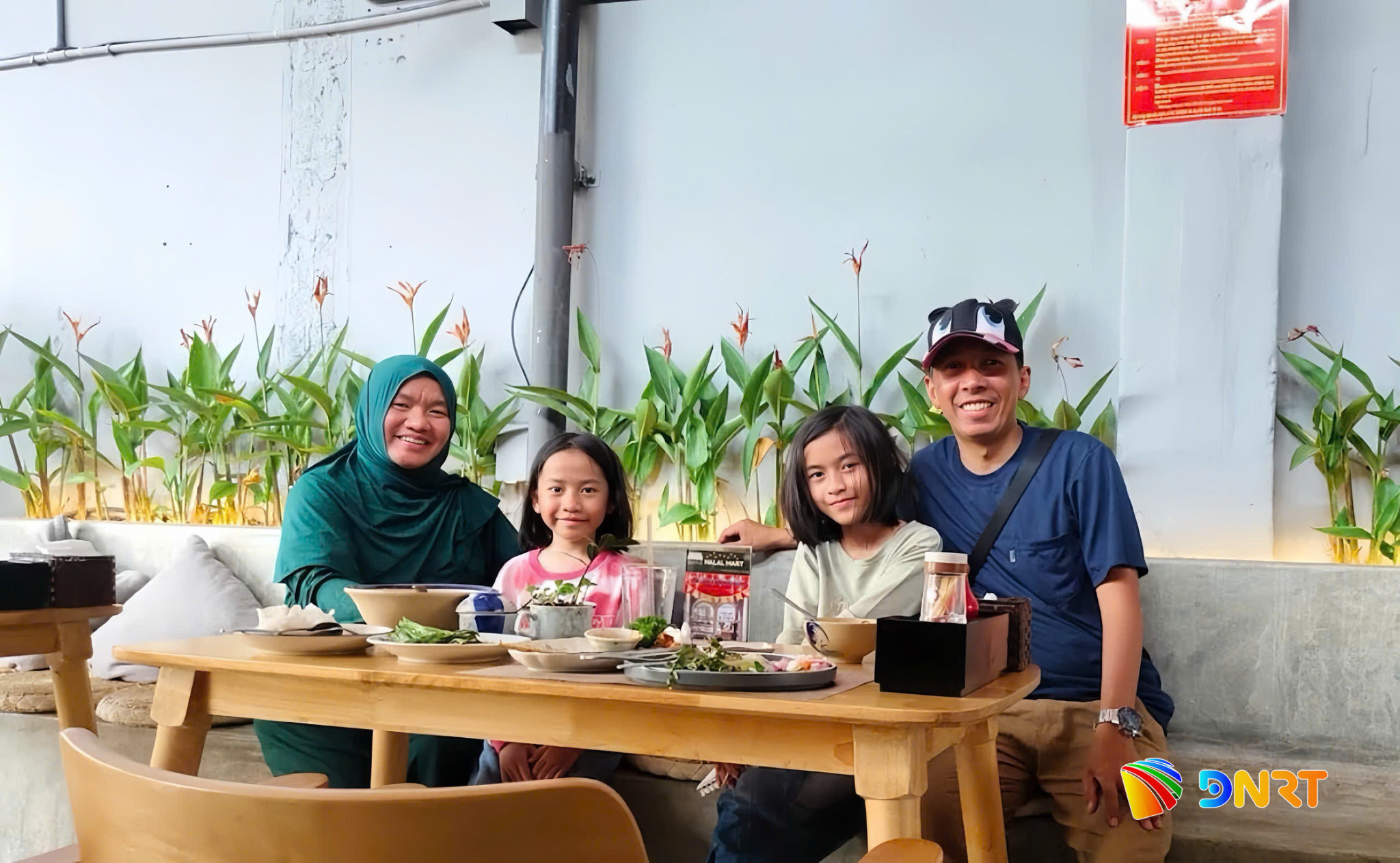
For some Central Asian families, a holiday in Da Nang means more than a few days by the sea. Traveling with several family members, sometimes accompanied by domestic helpers, they choose five-star hotels and resorts, enjoy premium services and often stay for extended periods.
These travel patterns offer valuable insights into an emerging market that local businesses have yet to fully explore
Turning visitor demand into business opportunities
During his research into the Halal market, Assoc. Prof. Dr. Dinh Cong Hoang, Head of the Middle East and West Asia Research Division at the Institute for South Asian, West Asian and African Studies, observed groups from Kazakhstan, Azerbaijan, Kyrgyzstan and Uzbekistan choosing Da Nang for their holidays.
For landlocked countries such as Kazakhstan, Kyrgyzstan and Uzbekistan, a coastal destination like Da Nang holds particular appeal. Its beaches, upscale accommodation and resort facilities provide an attractive setting for families seeking relaxation and quality experiences.
Yet much of these visitors’ spending remains concentrated within hotels and resorts, leaving considerable room for local restaurants, retailers, transport service providers and experience-based businesses to benefit. “These are market segments that stay longer and spend more, but we have yet to fully tap into their potential”, Mr. Hoang noted.
The global market offers compelling prospects. Fazal Bahardeen, Founder and CEO of CrescentRating and HalalTrip, cited figures showing that international Muslim travel reached approximately 196 million trips in 2025, an increase of 11% from the previous year.
For Da Nang, the opportunity lies not simply in attracting more visitors but in encouraging them to explore more of the city and spend across a wider range of local services.
A family staying for an extended holiday may need Halal dining, shopping, transportation, wellness services and cultural experiences. Developing products around these needs could help channel tourism revenue to a wider range of local businesses, including restaurants, retailers and service providers.
Mr. Hoang has suggested organizing a “Halal Month” featuring trade fairs, business networking activities and culinary competitions. Such an initiative could introduce Muslim-friendly products while helping local enterprises connect with potential partners and explore new business opportunities.
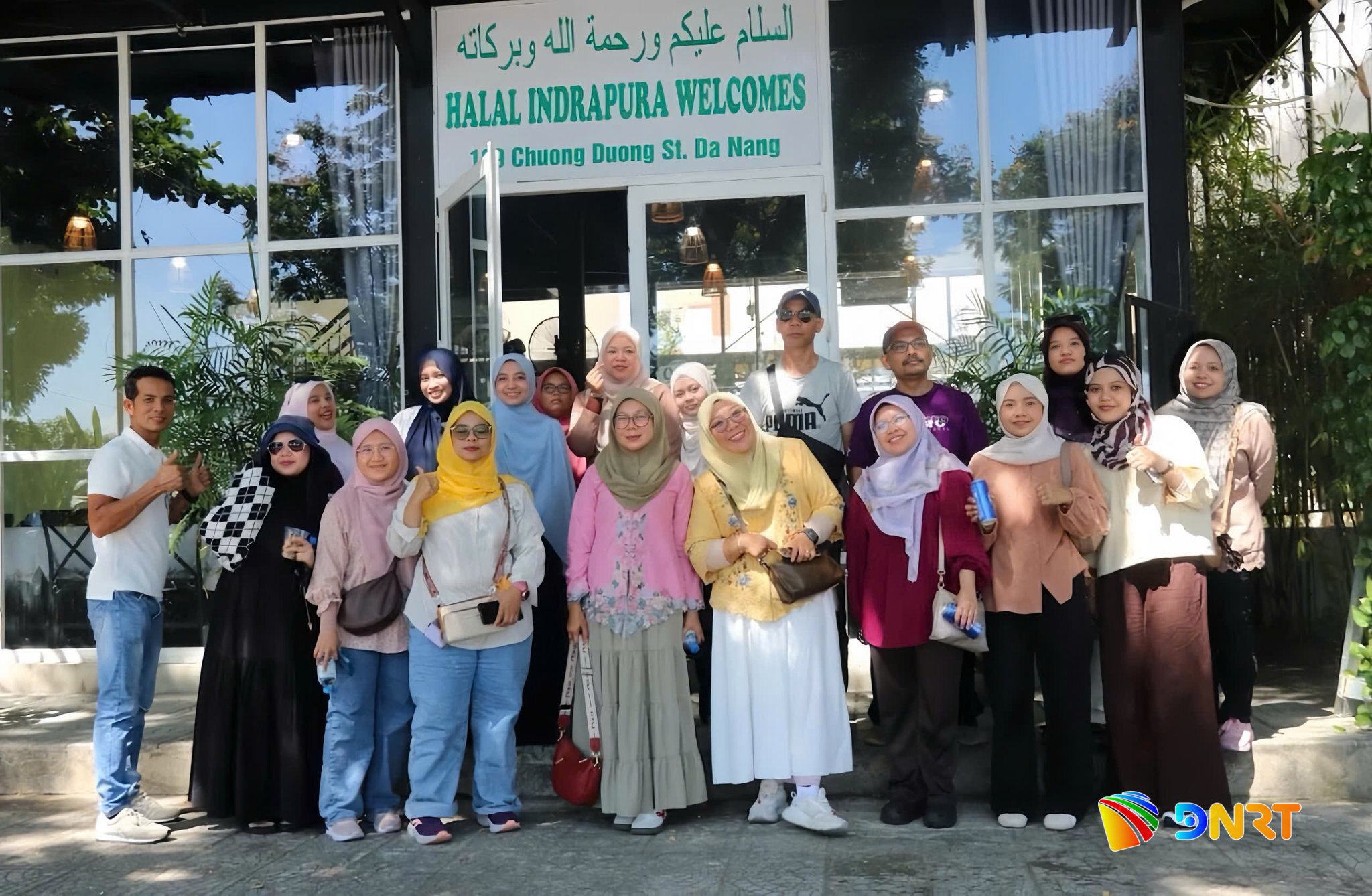
Building a Halal-friendly tourism ecosystem
According to Mr. Cao Tri Dung, Chairman of the Da Nang Tourism Association, the city should pay greater attention to high-spending Muslim travelers who are willing to stay longer, in tandem with diversifying its international source markets. Meeting their expectations requires more than luxury accommodation.
A seamless travel experience should begin at the airport and extend through hotels, restaurants, attractions and shopping destinations.
This means airport staff need a better understanding of Islamic customs; hotels must pay attention to dietary requirements; and tourist attractions should provide appropriate facilities and services. Dining is another key part of the visitor experience.
Businesses need to ensure that ingredients, preparation processes and supply chains meet Halal requirements, with appropriate certification where necessary. Importantly, Halal cuisine does not have to be limited to Pakistani, Indian or Middle Eastern dishes.
Vietnamese specialties, local seafood, fresh vegetables and regional produce can also appeal to Muslim travelers when prepared in accordance with Halal standards. Digital visibility is equally essential.
Muslim travelers increasingly rely on online platforms and artificial intelligence tools to discover destinations, compare hotels and restaurants, and plan their trips.
Clear, verified information and credible Halal certification can, therefore, influence whether a business appears in their search results and earns their trust.
Drawing on CrescentRating's experience in Hong Kong (China), where it has assessed more than 80 establishments and trained over 500 staff members, Fazal Bahardeen recommended that Da Nang expand assessments of Muslim-friendly businesses and make verified service information more accessible through digital platforms.
By connecting accommodation, dining, transport, shopping and cultural experiences into a more comprehensive Halal-friendly ecosystem, Da Nang is highly expected to turn the growing demand from Muslim travelers into lasting opportunities for local businesses.