

Two Vietnamese documentary heritage collections added to UNESCO regional register
DNO - Two collections of historical inscriptions in Hung Yen and Ninh Binh provinces have been inscribed on UNESCO's Memory of the World Asia-Pacific Regional Register, recognizing their historical and cultural significance.
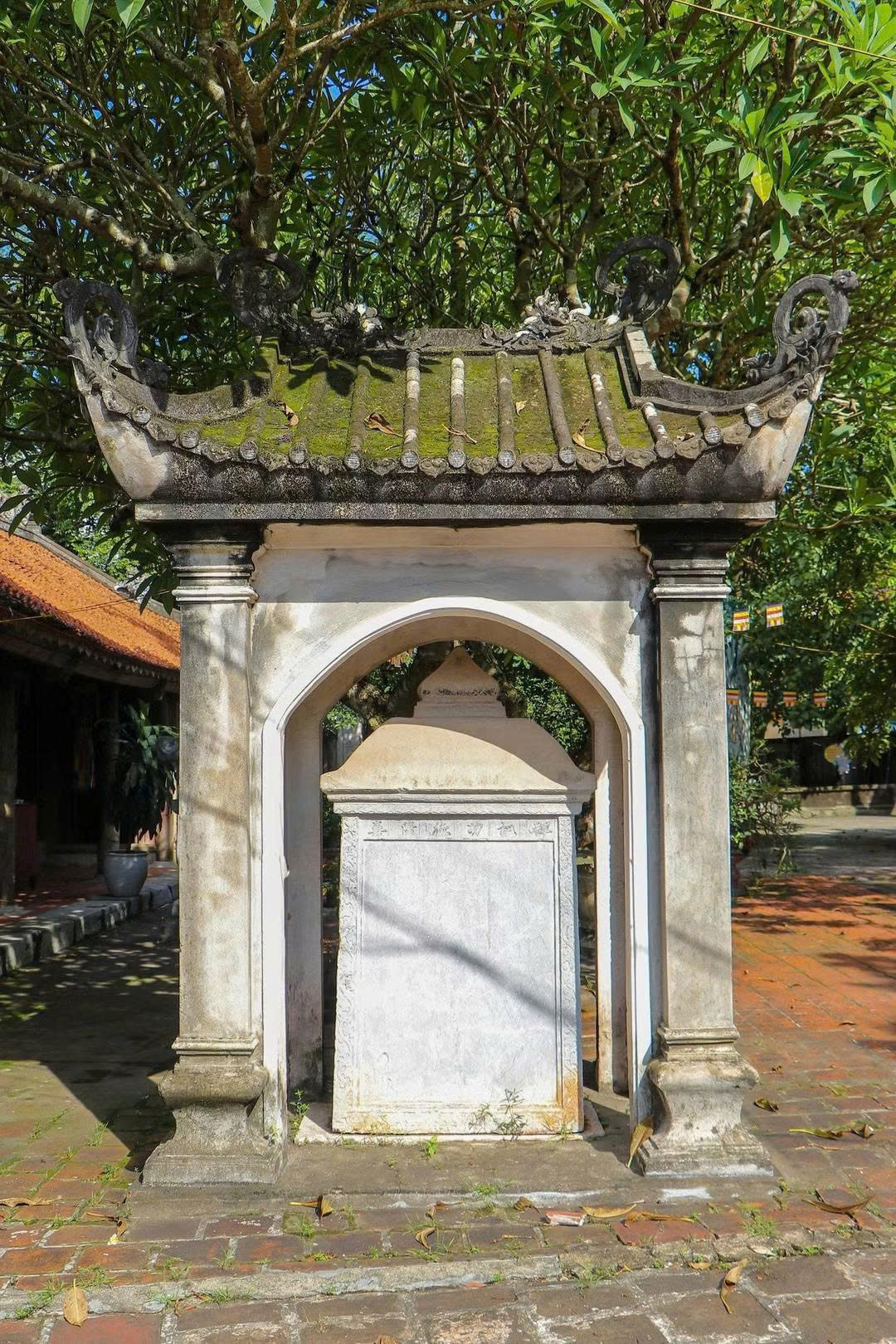
The recognition was approved at the 11th General Meeting of UNESCO's Memory of the World Committee for Asia and the Pacific (MOWCAP), held in Jakarta, Indonesia, on November 5.
The two collections comprise 41 stone steles in Pho Hien, Hung Yen Province, and 43 cliffside stone epitaphs on Non Nuoc Mountain, Ninh Binh Province, offering valuable insights into Vietnam's history, cultural exchanges, and social life over several centuries.
Pho Hien's international trading legacy
Dating from the 17th to the 20th centuries, the Pho Hien stone steles are written in classical Chinese and the Nom script and preserved at sites within the Pho Hien Special National Relic Complex.
The stone steles document the development of Pho Hien, once a thriving international trading port connecting Vietnam with commercial networks across Southeast and East Asia.
Flourishing in the 17th century, the port attracted merchants from China, Japan, and European countries, including the Netherlands, Portugal, and England.
Beyond trade and urban development, the stone steles reflect cultural and religious exchanges among local and foreign communities. Some highlight the region's tradition of learning and women's contributions to religious and community life.
Non Nuoc Mountain's centuries-old cliffside stone epitaphs
The second collection consists of 43 inscriptions carved directly into the rock faces of Non Nuoc Mountain between the 14th and 20th centuries.
Written in classical Chinese, the Nom script and the Vietnamese Latin-based script, they include royal writings, poetry and historical accounts left by kings, officials and scholars.
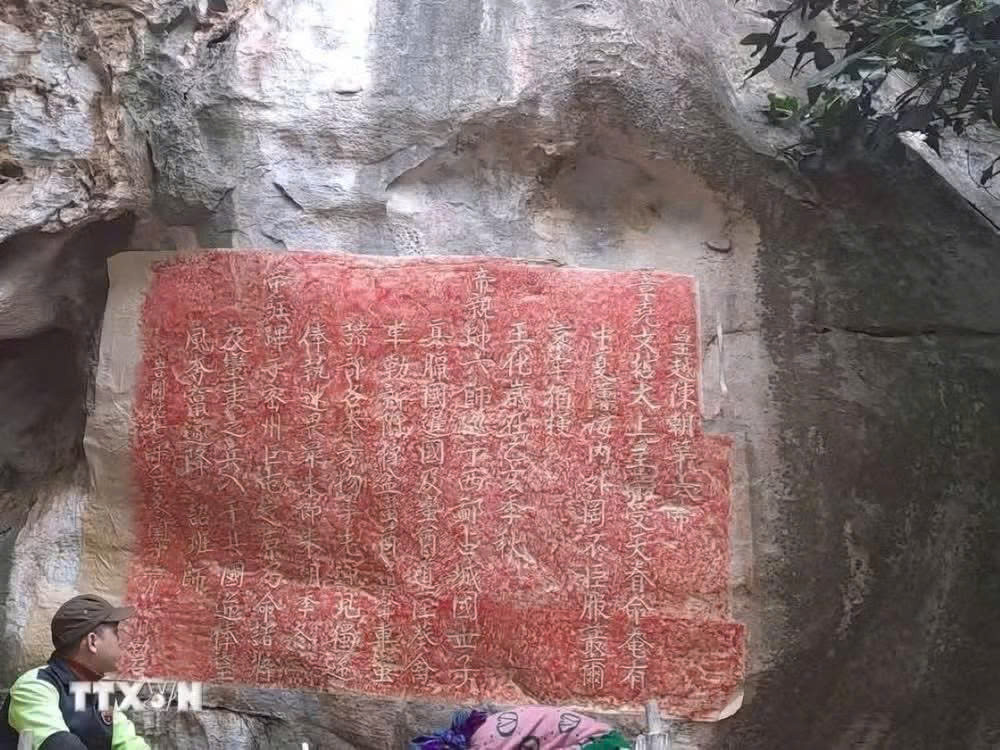
These epitaphs document Vietnam's history, literary traditions and cultural exchanges, particularly interactions among Buddhism, Taoism, Confucianism and indigenous beliefs. Some also provide insights into women's roles in historical Vietnamese society.
According to MOWCAP, both collections meet the criteria for authenticity, integrity, uniqueness and regional significance.
With these additions, Vietnam now has 13 UNESCO-recognized documentary heritage collections, including four on the international register and nine on the Asia-Pacific regional register.