

How can Vietnam - EFTA trade deal benefit Da Nang?
DNO - The Vietnam - EFTA Free Trade Agreement is expected to help Da Nang expand international trade and logistics links, attract high-quality investment and strengthen local businesses’ competitiveness, as well as open up new opportunities in tourism and workforce development.
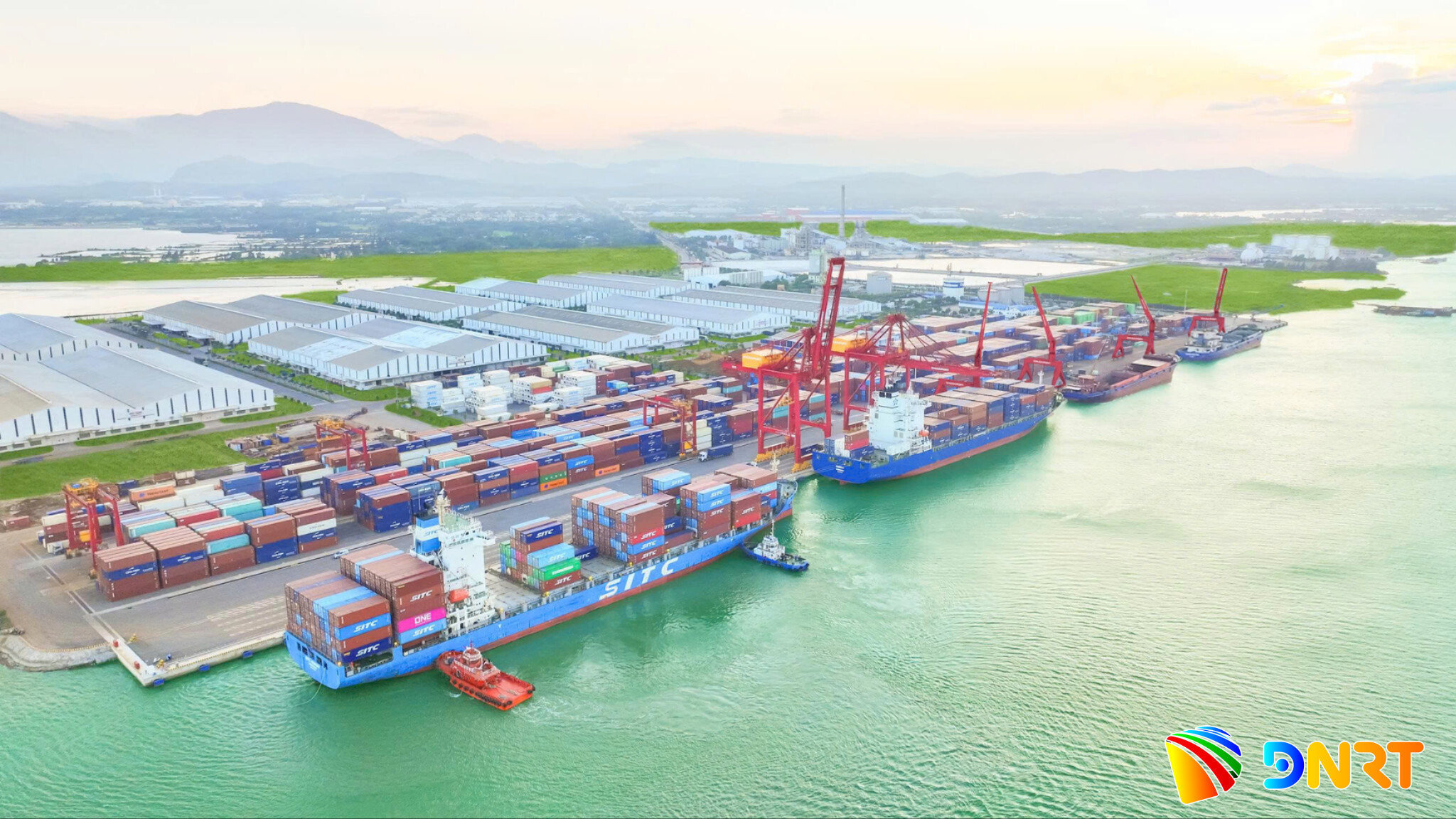
After 14 years of negotiations, Vietnam and the European Free Trade Association (EFTA), comprising Switzerland, Norway, Iceland and Liechtenstein, have signed a free trade agreement, opening a new chapter in their cooperation.
New trade and investment opportunities for Da Nang
Vietnam’s signing of the Free Trade Agreement with EFTA marks an important step in diversifying export and import markets and deepening the country’s integration into global value chains.
The agreement covers a wide range of areas, including trade in goods and services, investment, intellectual property, government procurement, competition, small and medium-sized enterprises, dispute settlement, and trade and sustainable development.
According to Mr. Pham Bac Binh, Chairman of the Da Nang Small and Medium-sized Enterprises Association, the agreement features comprehensive and in-depth commitments across key economic sectors.
As reported by Mr. Nguyen Hong Cuong, Vice Chairman of the Da Nang Young Entrepreneurs Association, the agreement carries both economic and strategic significance.
Closer cooperation with the four EFTA countries could help Vietnam diversify its markets, reduce reliance on traditional partners and improve economic resilience.
It could also create opportunities to attract investment, access advanced technologies and modern management practices, and participate more deeply in global value chains.
For Da Nang, the agreement offers an opportunity to strengthen international connections and make greater use of its advantages in trade, services and logistics, alongside attracting high-quality resources and enhancing the competitiveness of local businesses.
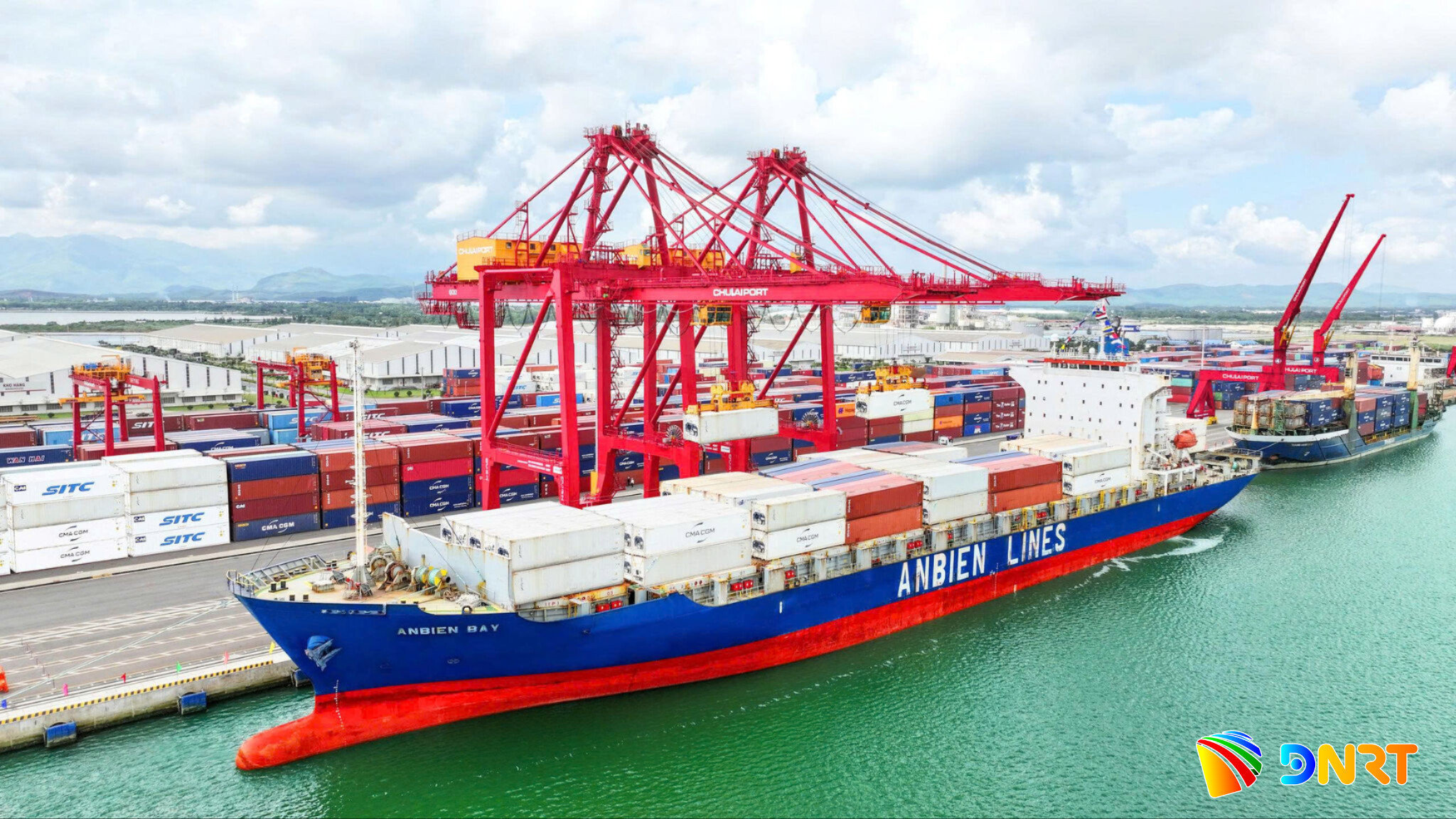
Vietnam’s exports to EFTA markets mainly include seafood, footwear, textiles and garments, machinery, electronics and components. Imports from the bloc include machinery and industrial equipment, chemicals, pharmaceuticals and production materials.
Investment cooperation between the two sides has also expanded, with EFTA companies operating in Vietnam across industries such as manufacturing, food, pharmaceuticals, energy and technology. Investors from the bloc are exploring projects in innovation, high technology, logistics and precision engineering.
Opportunities for businesses to modernize
Mr. Cuong said the agreement’s value lies not only in opening markets but also in encouraging businesses to innovate, meet higher standards and pursue sustainable development.
For Da Nang’s business community, he identified three key opportunities. First, expanding Vietnam - EFTA trade could increase demand for freight transport, forwarding, warehousing and supply chain management, allowing local logistics companies to participate more actively in international commerce.
Second, businesses could explore cooperation in fleet management technologies, energy-efficient vehicles, digital solutions and modern technical services. Such developments would help reduce operating costs and improve efficiency.
Third, stricter expectations for service quality, operational performance, environmental standards and corporate governance could encourage businesses to adopt greener practices, professionalize operations and upgrade workforce skills.
Tourism and high-value markets
This agreement could also create opportunities for Da Nang’s tourism and hospitality sector to reach high-income markets with strong purchasing power and advanced technology and management expertise.
Mr. Nguyen Duc Quynh, Vice Chairman of the Da Nang Tourism Association and Chairman of its Hotel Association, said the deal comes amid ongoing restructuring of global supply chains and could help diversify visitor markets. EFTA countries offer potential for premium resort stays, cultural and heritage tourism, golf, wellness and sustainable travel.
Da Nang should develop tailored promotion strategies for each market and work with airlines, diplomatic missions and travel businesses to attract more visitors, encourage longer stays and increase tourist spending.
Mr. Quynh also highlighted the need to mobilize investment to upgrade existing tourism facilities towards greener and more sustainable operations.
Strengthening cooperation in training high-quality tourism personnel is another priority. The Da Nang Hotel Association has already undertaken practical cooperation activities with Switzerland in this area.
As Vietnam deepens economic ties with EFTA, Da Nang can use the agreement to broaden trade and investment links as well as improve the quality and sustainability of its services.
Turning these opportunities into tangible results will depend on businesses’ readiness to innovate, meet international standards and build stronger partnerships with the four European markets.