

Da Nang expands its reach across global tourism markets
DNO - Da Nang is stepping up efforts to diversify its international visitor base, capitalizing on nearby Asian markets in parallel with maintaining its appeal to long-haul travelers.

Supported by expanding air connectivity, diverse tourism products and rich cultural and natural assets, the city aims to strengthen growth and build a more resilient tourism sector.
Nearby markets offer strong potential
In the first nine months of 2026, accommodation establishments across Da Nang served more than 15.8 million visitor arrivals, up over 26% year on year. International arrivals reached nearly 7.7 million, representing an increase of more than 28%.
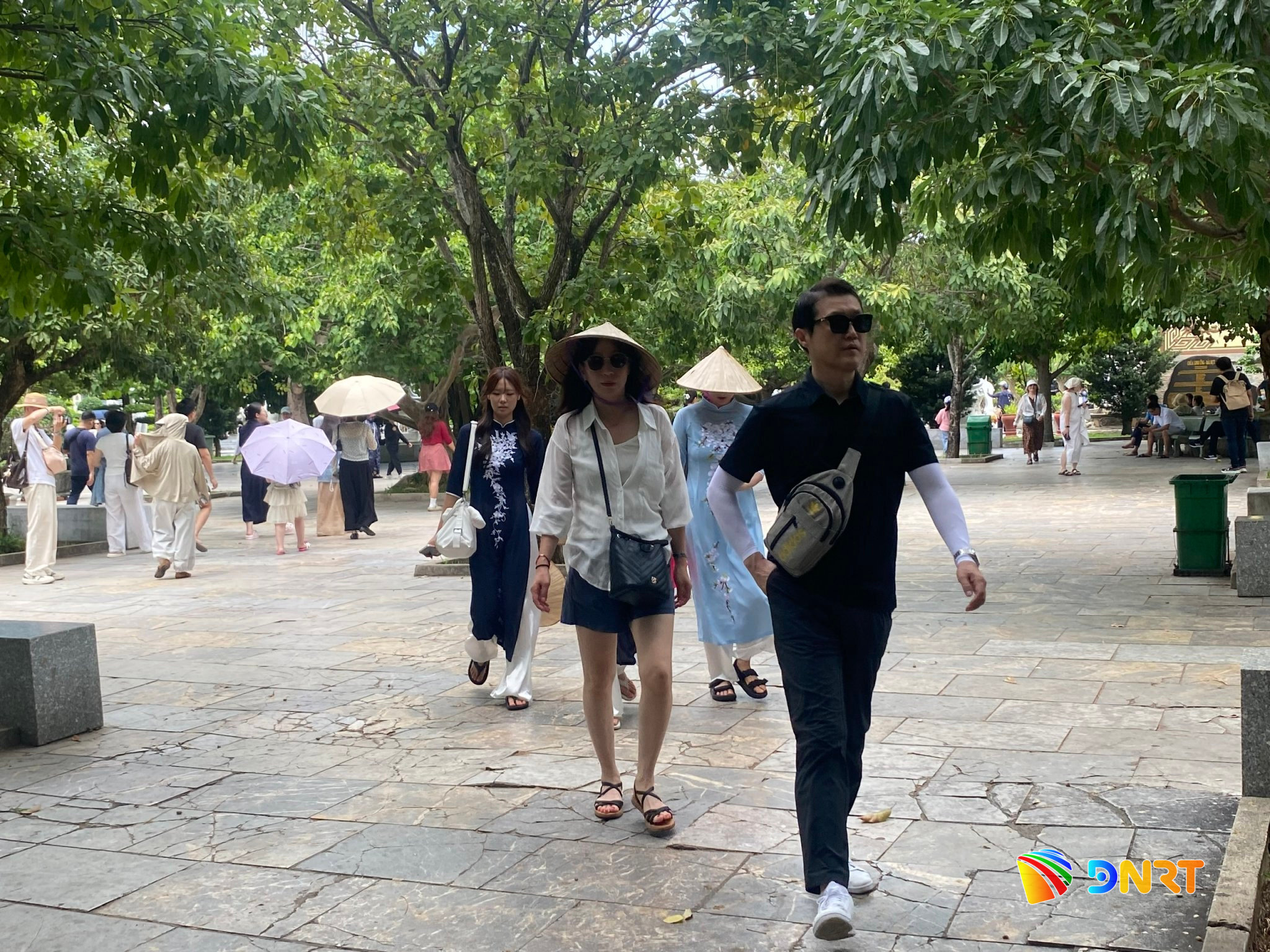
Asian markets continued to account for a substantial share of international visitors to Da Nang. The Republic of Korea remained the leading source market, accounting for 20.44%, followed by China at 9.64%, India at 5.95% and Taiwan (China) at 5.5%.
Meanwhile, the presence of the United States, Australia, Russia and the United Kingdom among the city’s top 10 international markets highlights the breadth of Da Nang’s tourism appeal beyond Northeast Asia.
Mr. Le Tan Thanh Tung, Deputy General Director of VITRACO Transport and Tourism Co., Ltd., said Asian visitors played a significant role in the city's tourism growth. Developing products tailored to their preferences and travel needs would therefore help improve market performance.
He also suggested stepping up tourism promotion in nearby Asian markets, where large visitor bases and convenient transport links offer considerable growth potential.
As of early October 2026, Da Nang had 20 regular international air routes connecting the city with destinations in Thailand, Singapore, Malaysia, Taiwan (China), China, Cambodia, the Republic of Korea, Japan, the Philippines, Myanmar, Laos and Dubai.
The routes operated an average of 68 flights per day. The air connectivity provided an important foundation for attracting visitors from nearby markets while facilitating access from more distant destinations.
Nguyen Son Thuy, Director of Visit Indochina Co., Ltd., noted that each source market offered distinct advantages. ASEAN, Northeast Asian and other Asian markets benefited from geographical proximity, size of the market, and cultural similarities.
Visit Indochina Co., Ltd. recorded growth of more than 15% in Asian visitor numbers during the first nine months of 2026. Nearby markets were an important source of business resilience amid fluctuations in international travel.
However, he stressed that turning geographical advantages into sustainable growth required a deeper understanding of visitor demand, better service quality and more appealing tourism products.
Balancing short- and long-haul markets
Alongside Asia, Da Nang continues to benefit from its appeal to visitors from Europe, the United States and other long-haul markets.
Its cultural heritage, natural landscapes, beaches and diverse resort offerings provide opportunities for travelers seeking immersive experiences in history, local culture, nature, and community life.
The city’s central area offers a mix of resorts, entertainment and urban services, while the southern area, particularly Hoi An, has strong potential for heritage tourism, traditional craft experiences and encounters with local life. Together, these complementary offerings help meet the needs of different visitor segments.
Le Quoc Viet, Vice chairman of the Da Nang Tourism Association, said the presence of the United States, Australia, Russia and European countries among the city’s leading international markets demonstrated considerable potential for further development.
Maintaining these markets would diversify visitor sources, support specialized tourism products and increase the economic value generated by tourism.
He also recommended stronger efforts to attract Russian and Commonwealth of Independent States (CIS) visitors, alongside deeper engagement with the Japanese market.
Rather than relying solely on promotion, tourism authorities and businesses should segment markets by spending capacity, length of stay, consumption patterns and travel preferences.
Such an approach would help develop targeted products, reduce price-based competition and improve business performance.
Setting ambitious targets for 2027
According to the municipal Department of Culture, Sports and Tourism, Da Nang aims to increase international visitor numbers by 15 - 20% in 2027.
The city targets growth of 15% in Northeast Asian markets, including the Republic of Korea, China, Taiwan (China) and Japan, and 15 - 20% in India.
In Southeast Asia, the central Vietnamese city seeks growth of 25 - 30% from the Philippines, 15 - 20% from Indonesia, 20 - 30% from Singapore, 10 - 15% from Malaysia and 25 - 30% from Thailand. Russia and CIS markets are targeted to grow by 30 - 40%.
For long-haul markets, the city aims for growth of 30% in Europe, 35% in North America, 35% in Australia and 10% in the Middle East and other markets.
By combining strong regional connectivity with its heritage, coastal attractions and increasingly diverse tourism experiences, Da Nang is seeking to attract more domestic and international visitors while encouraging longer stays and higher spending.
Diversifying source markets and improving visitor experiences will be central to sustaining tourism growth in the years ahead.