

Building Da Nang into ecological, modern, smart, rich in identity city
DNO - Standing Deputy Prime Minister Pham Gia Tuc, on October 21, signed Decision No. 2016/QD-TTg, approving the Master Plan of Da Nang until 2050, with a vision to 2075. The plan encompasses the entire administrative boundaries of Da Nang, including the Hoang Sa Special Zone.
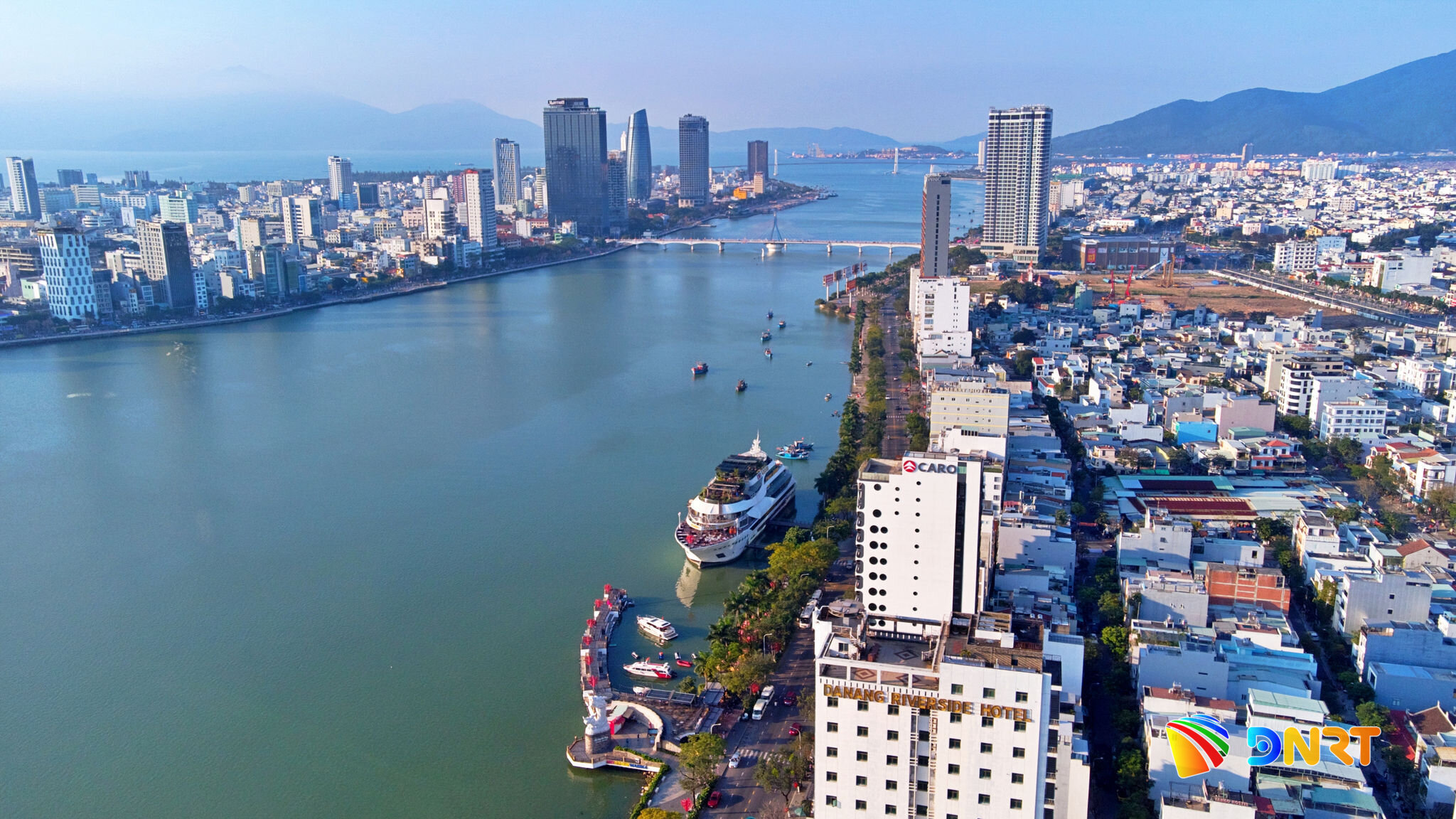
Under the decision, Da Nang is expected to become an ecological, modern, smart, rich in identity, safe, livable, and internationally positioned coastal city by 2050.
Also, the city will be developed into an important national growth pole and a national and regional hub for startups, innovation, logistics, maritime economy, commerce, finance, free trade, science and technology, digital transformation, digital economy, data, tourism and heritage, culture and sports, high-quality education and training, and healthcare.
Alongside, Da Nang aims to develop toward green growth, adapt to climate change, and ensure national defense and security as well as its sovereignty over the sea and islands.
By 2050, the city will comprise about 30 urban areas developed in a synchronized manner, with a focus on enhancing the quality of type I urban criteria for the entire city of Da Nang.
By 2075, Da Nang is set to become an ecological, modern, and smart, globally connected coastal city, belonging to the group of leading urban areas rich in identity in Asia while gradually meeting the criteria of a special urban area.
The Da Nang population is projected to reach about 5.5 million by 2040, including 4.7 million permanent people. By 2050, the population scale is expected to exceed 6.5 million, including approximately 5.4 million permanent people.
Furthermore, the city's natural area is about 11,870.34km2, in addition to the maritime space under its jurisdiction as stipulated by law.
The Da Nang's Master Plan establishes a multi-polar, multi-center, multi-tiered, and multi-layered urban chain model.
Among them, three key development poles include the northern pole, with the existing and expanded Da Nang urban area, Dien Ban, Hoi An, and various reclaimed coastal urban zones, focusing on services, finance, tourism, heritage, high-tech industry, and logistics.
The southern pole consists of Chu Lai, Tam Ky, and Nui Thanh, with a focus on industry, energy, logistics, science and technology, innovation, and digital transformation.
And the Hoi An linkage pole to the south covers Duy Xuyen, Thang Binh, and Que Son, concentrating on the development of new urban areas, tourism, and commerce.
In particular, tourism space covers an area of approximately 9,700-10,200 hectares, with three key tourism zones: ecological tourism aligns with conservation, cultural and heritage tourism, and coastal and nighttime economy tourism along the eastern coastline.
The city is oriented to establish nationally and internationally commercial hubs, the Da Nang Free Trade Zone in tandem with major transport hubs, and a wholesale market for agricultural products serving the Central - Central Highlands region, coupled with a logistics center (spanning about 130 hectares in Thang Binh Commune).
Vietnam’s international financial center in Da Nang is linked to an ecosystem for innovation and digital technology, covering about 300 - 320 hectares.
Additionally, a multi-modal, integrated logistics network will be established.
The network will include Hoa Nhon Logistics Center; Kim Lien Railway Station Logistics Center; Da Nang International Airport Logistics Center; Hoa Vang Commune Logistics Center; a logistics center supporting the wholesale market and wholesale sector linked to the Hoa Phuoc wholesale market; Chu Lai International Airport Logistics Center; the Chu Lai National Logistics Center; the Tam Ky - Quang Phu Logistics Center; the Chaval - Nam Giang Logistics Center; and various logistics and warehousing facilities associated with border gates such as Nam Giang, Tay Giang and Bo Y.
Industrial development, including defense-related industry with dual-use capabilities, will follow a green, smart, and energy-efficient model, with a focus on reducing emissions and protecting the environment.