

Eco-tourism potential of Song Thanh National Park in Da Nang
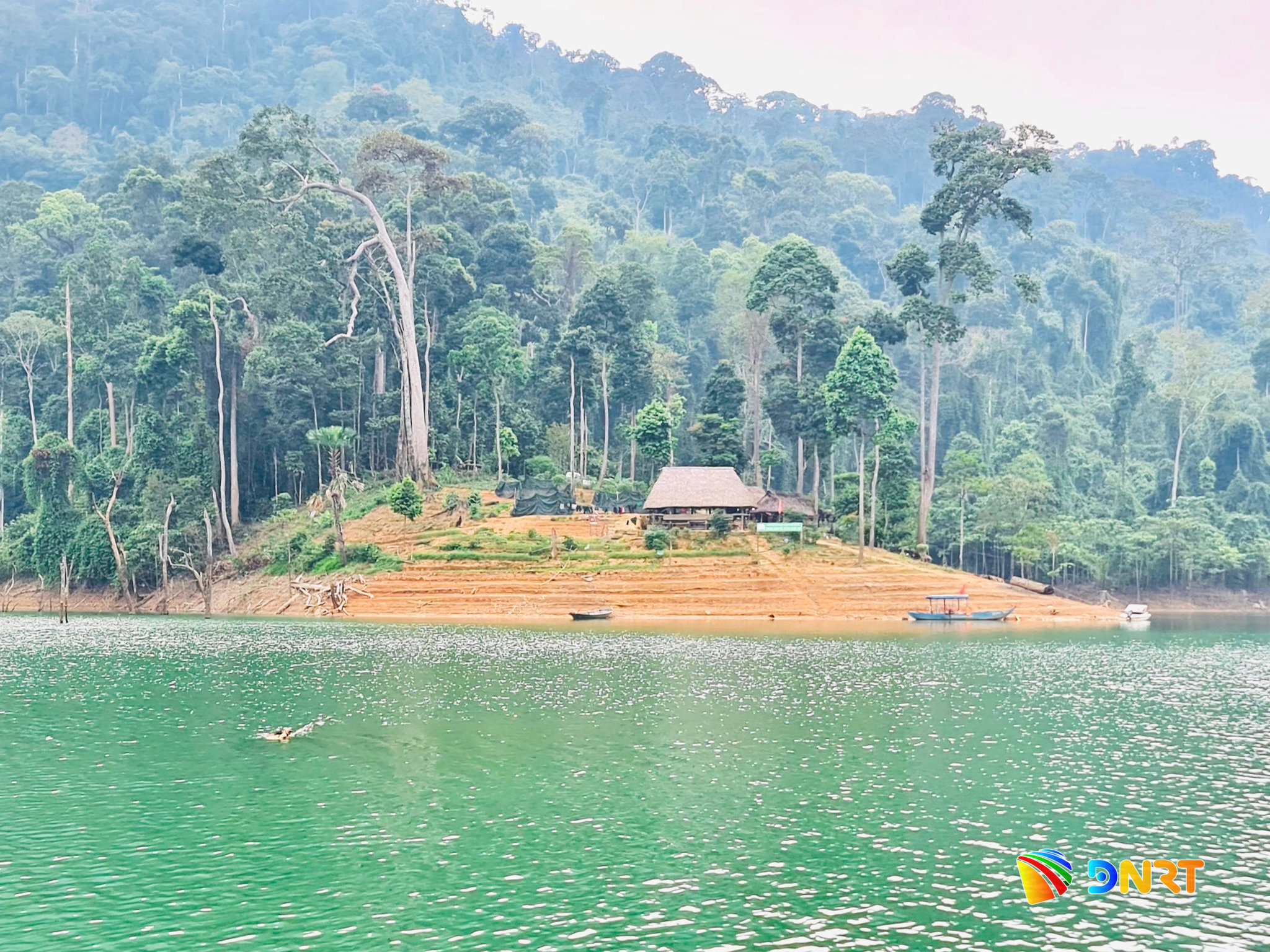
DNO - The Song Thanh National Park in Da Nang covers an area of 76,000 hectares, with the natural forest accounting for more than 93%. The park boasts abundant biodiversity as it serves as a valuable resource for tourism development, connecting coastal, urban, and heritage experiences and the natural beauty in the mountainous region.
According to statistics, Da Nang’s tourism industry has recently set consecutive records for both visitor numbers and revenue. In the first nine months of this year, the city welcomed nearly 16 million visitors, a 26.4% increase compared to the same period last year.
With the above growth momentum, the expansion of Da Nang tourism space to the west, with a focus on ecotourism, resorts, and cultural experiences, is considered a strategic direction.
With its direction "Conservation as a foundation, experience as a product, and the community as a subject", the Song Thanh National Park ecotourism development plan aims to annually attract 10,000 visitors by 2030. This plan is expected to generate VND10 billion in revenue and create 300 jobs for local residents.
Ecotourism activities will concentrate on two key clusters: the Song Thanh - Khe Lung cluster (exploring primeval forest ecosystems) and the Khe Vinh reservoir cluster (offering tranquil lakeside relaxation).
Experience-based products will include stream bathing, boating, ziplining, conquering the five-tiered waterfall, and engaging in cultural exchanges with the Co Tu ethnic community.
Recently, the Da Nang Tourism Promotion Fund and the Management Board of Song Thanh National Park jointly organized a seminar titled "Solutions for Developing Ecotourism, Resort, and Recreational Activities at Song Thanh National Park (2026 - 2030)".
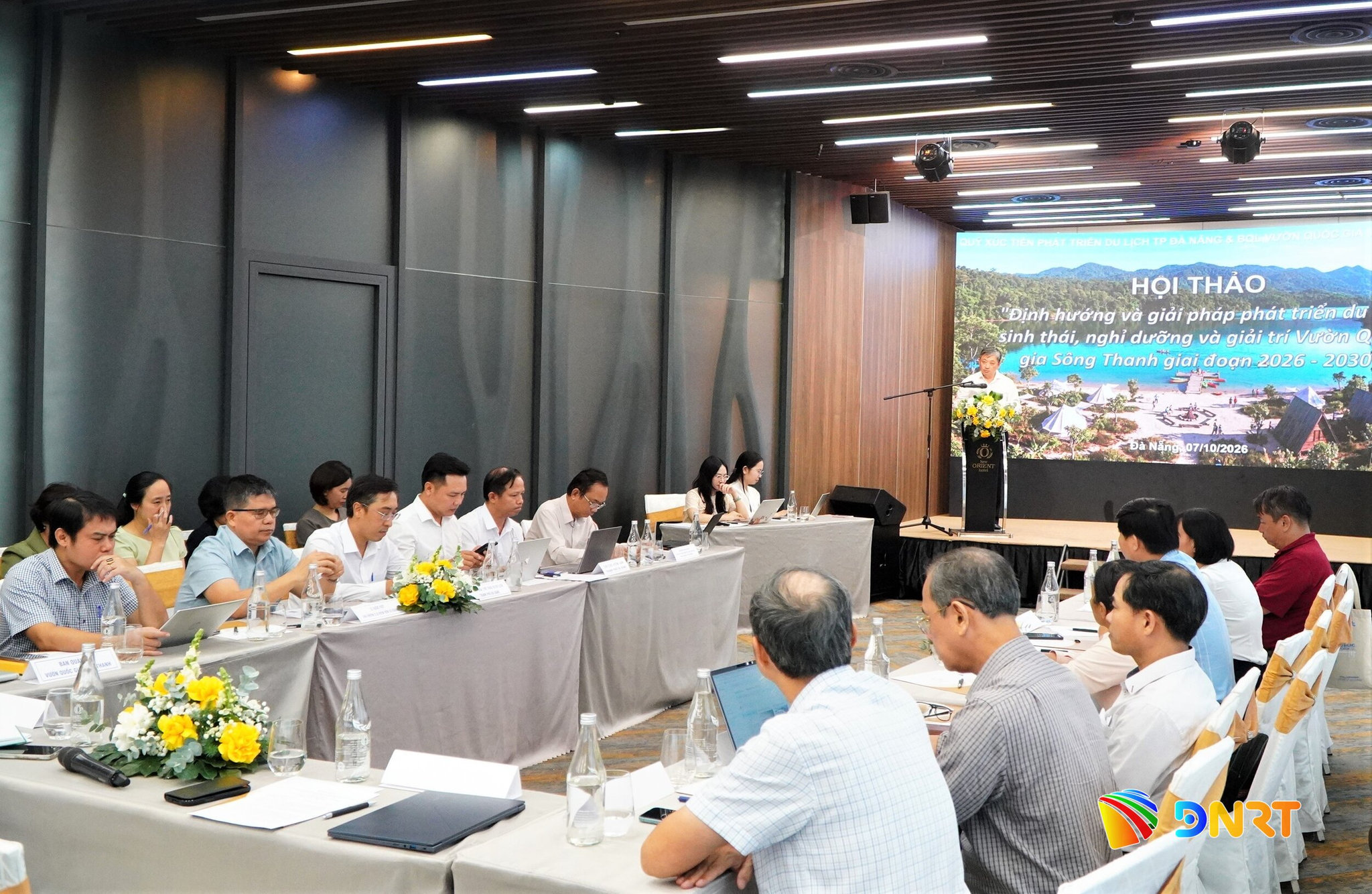
At the seminar, delegates focused on key issues: clearly defining the relationship between tourism development and conservation; selecting products that reflect the unique character of Song Thanh; ensuring local community participation and benefit; and selecting responsible investment and management models.
The event aimed to provide a scientific basis for completing the development plan in a bid to transform Song Thanh into a model ecotourism destination that is sustainably developed and deeply imbued with the cultural identity of the great forest.