

Virtual reality opens new window to Da Nang
DNO - Virtual reality (VR) is opening new possibilities for how Da Nang presents itself to the world, allowing travelers to preview its landscapes, discover its culture and imagine an itinerary before setting foot in the city.
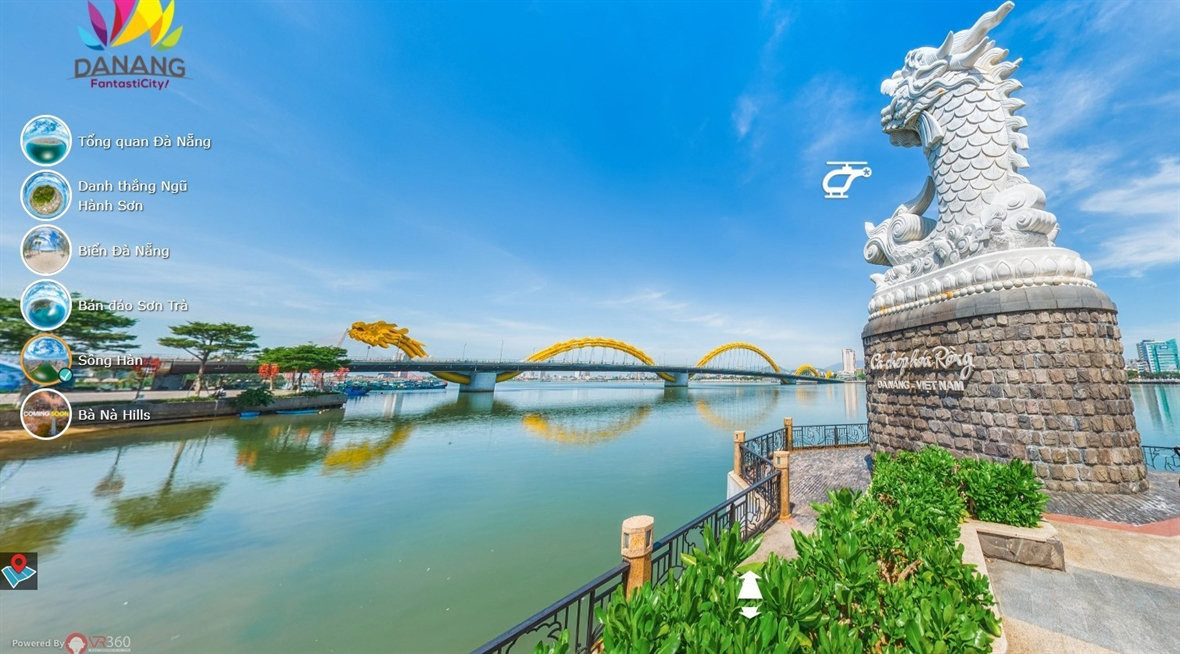
Digital preview of Da Nang
As tourism becomes increasingly digital, technologies such as digital maps, artificial intelligence (AI) and 360-degree VR are changing the way destinations engage with potential visitors.
With VR360, users can explore a space from multiple angles, access information and gain a sense of what awaits them without being physically present.
Unlike conventional tourism experiences, virtual platforms are not constrained by geographical distance or opening hours, making them particularly useful at the earliest stage of travel planning.
For Da Nang, iconic destinations such as the Golden Bridge, Son Tra Peninsula, Marble Mountains and My Khe Beach, as well as traditional craft villages, can be brought into the digital environment.
The potential of this approach was demonstrated by “One Touch to Da Nang”, a digital tourism product launched in 2024, which offers another channel through which the city can reach travelers at the moment they begin searching for their next destination.
Yet VR should be viewed as the beginning of a journey, rather than its destination. Instead of attempting to reproduce an attraction in its entirety, an effective VR experience could focus on distinctive moments, lesser-known perspectives or stories that remain partly unexplored.
A virtual journey through Son Tra, for instance, could reveal its forests, coastline, biodiversity and cultural heritage while deliberately leaving something undiscovered. That sense of incompleteness may be precisely what makes the experience compelling.
The same principle could apply to the Golden Bridge, Marble Mountains and traditional craft villages. Sometimes, an unanswered question, an unexplored image or an unfinished story can create a stronger desire to experience the real place.
This is the logic of the teaser approach to tourism marketing: reveal enough to capture attention and spark emotion, while leaving visitors with a reason to take the next step to pack their bags and go.
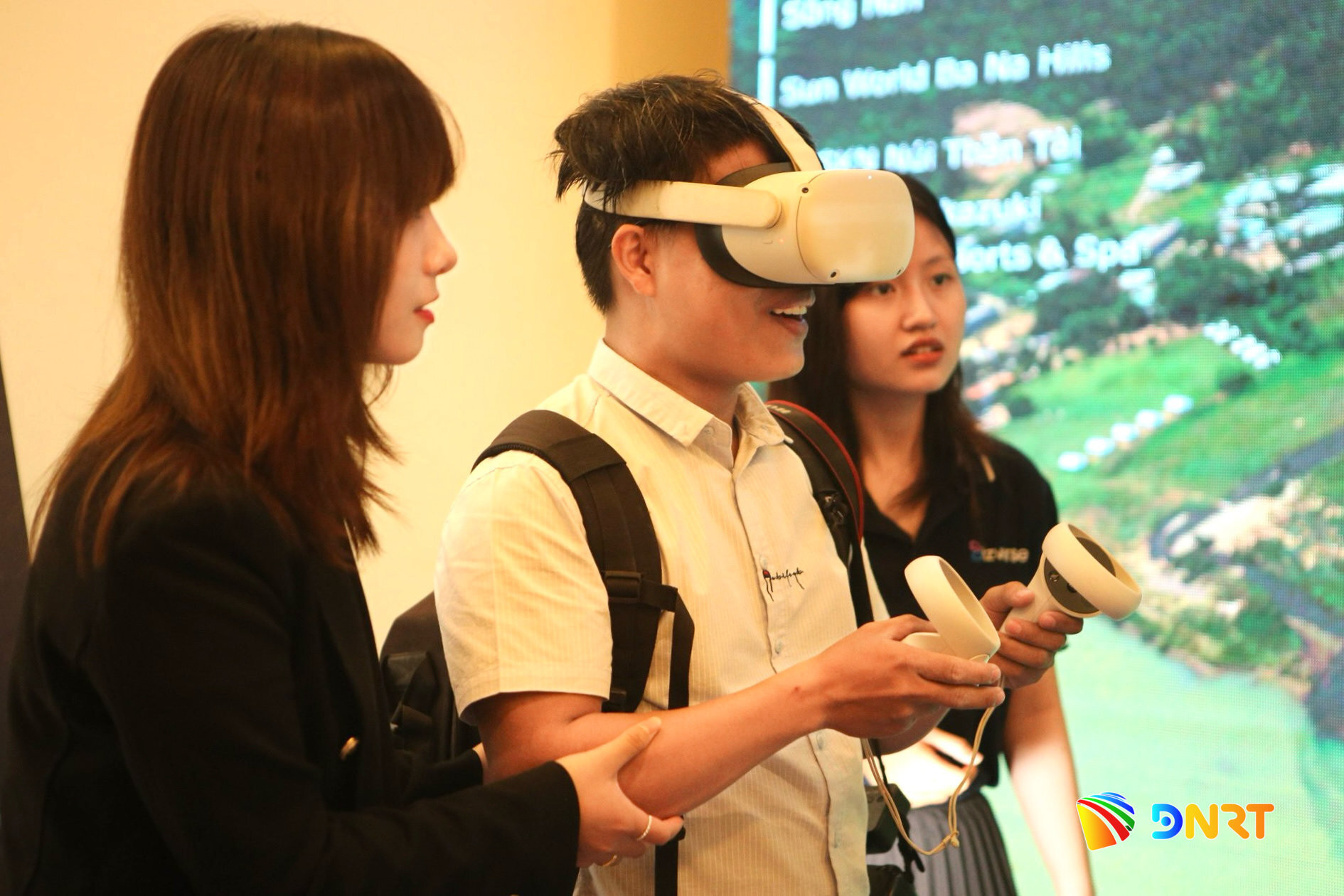
Turning virtual curiosity into real journeys
VR can reproduce images and sounds with remarkable realism, but it cannot fully recreate the smell of local food, the taste of “Mi Quang” (Quang noodles), the salty air of the sea, the breeze, the atmosphere of a market or the warmth of interactions with local people. What matters, therefore, is not how completely VR can replace reality, but how effectively it can make reality more desirable.
A virtual experience of Non Nuoc stone-carving village or Nam O fishing village should consequently go beyond visualising physical spaces. By highlighting the people, livelihoods and stories behind them, VR can encourage visitors to seek out the experiences that technology cannot fully replicate.
Alongside promotion, VR can also support destination management. For attractions such as Son Tra and Marble Mountains, digital platforms could provide advance information on routes, visitor density, environmental regulations and alternative experiences.
Data generated through these platforms could, in turn, help authorities understand what visitors are interested in and manage tourism flows more effectively.
Ultimately, whether VR can create lasting value for Da Nang will depend on how well it connects the virtual world with real-life experiences.
After a virtual tour, visitors could be guided toward cultural programmes, food experiences, events and recommended itineraries. VR, therefore, should not be treated simply as another advertising tool.
It is part of a wider digital tourism ecosystem that can bring Da Nang closer to travelers from afar while reminding them that the city’s most valuable experiences still lie beyond the screen.