

Hoi An and its surroundings chart new tourism routes
DNO - Hoi An and its surrounding areas are opening up a wider tourism landscape, where ancient heritage meets rivers, coconut forests, beaches, craft villages, farming communities and heritages.
.jpg)
The old town remains the region’s international tourism magnet. Around it lies a rich network of attractions stretching from Cua Dai and the Bay Mau Nipa Palm Forest to Cham Islands, Tra Que Vegetables Village, Thanh Ha Pottery Village, Thu Bon and Co Co rivers, and rural communities toward Dien Ban and My Son.
The opportunity is to connect these places into experiences that encourage visitors to stay longer, travel at a slower pace and discover how culture, nature and everyday life are intertwined.
From the old town to a wider tourism landscape
The Bay Mau Nipa Palm Forest in renowned Cam Thanh Village is emerging as an important anchor for river and eco-tourism. Cam Thanh was ranked among the world’s 50 most beautiful villages by Forbes in 2025, giving the area a stronger international profile.
Cua Dai adds a coastal dimension and serves as a gateway to Cham Islands. Nearby farming areas such as An My and Thanh Dong offer a different atmosphere, centred on agriculture, local cuisine, village landscapes and slow-paced experiences.
Across the wider Hoi An area, established attractions such as Tra Que Vegetable Village and Thanh Ha pottery village provide opportunities to build themed itineraries around food, traditional crafts and rural life.
A new experience, “Back to Cam Thanh - Listening to the Nipa Palm Trees Tell Their Stories”, is scheduled to launch in November 2026 at the Bay Mau Nipa Palm Forest.
It is expected to combine the natural landscape with local culture and folk arts. River festivals such as the Co Co River Festival could add another layer to the tourism calendar, creating opportunities for visitors to experience waterways as cultural spaces rather than simply transport routes.
Turning waterways into tourism experiences
Thu Bon and Co Co rivers offer a natural framework for connecting destinations around Hoi An. A visitor could begin the day in the ancient town, travel by boat toward the Bay Mau Nipa Palm forest, explore a traditional village, taste local dishes and continue into the countryside.
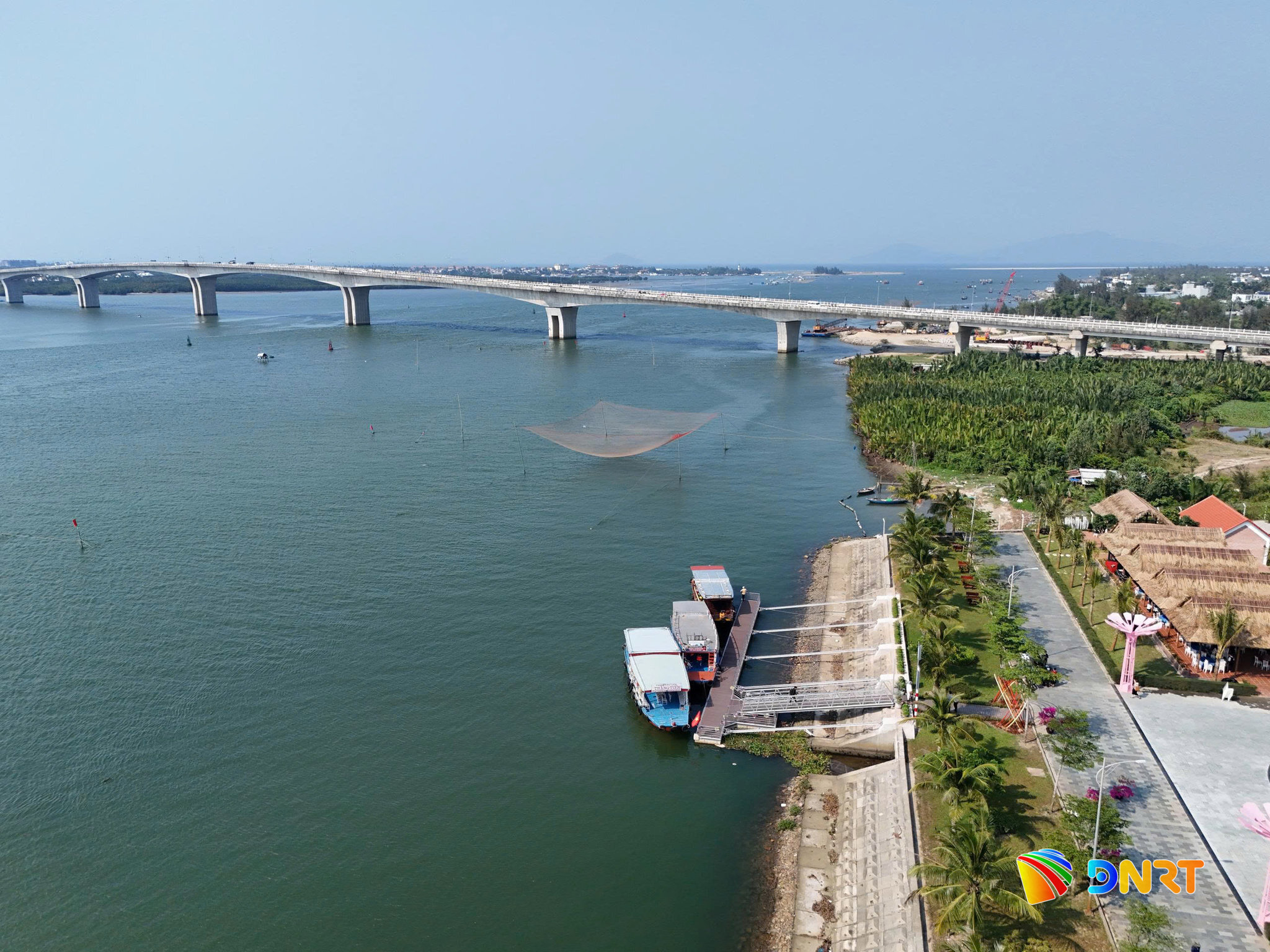
A longer itinerary could connect Hoi An with Dien Ban, My Son or Cham Islands. On the southern bank of the Thu Bon River, near Cua Dai Bridge in Duy Nghia Commune, FVG Group is developing Nam Hoi An City, a tourism urban development featuring an on-site pier.
According to the developer, the pier is designed as a key amenity linking Hoi An Ancient Town with nearby destinations through river-based cultural and ecological experiences.
Mr. Nguyen Anh Tan, Chairman of FVG Group’s Board of Directors, said river tourism should offer more than a means of transport. It should preserve an authentic connection with the landscape, riverside communities and local culture.
From the pier, visitors staying at Nam Hoi An City could travel along the river, discover riverside life, experience traditional crafts and local cuisine, and connect with ecological sites and craft villages.
Linking Hoi An, My Son and the wider region
The tourism potential extends further south through the Thu Bon river system and the wider landscape of Da Nang. The city’s long-term planning vision places the Co Co, Thu Bon and Truong Giang rivers within an interconnected ecological and cultural space.
It also envisages stronger links among Da Nang, Hoi An, Dien Ban, Thang Binh, Tam Ky and Nui Thanh. This could create larger tourism circuits rather than isolated day trips.
Hoi An could serve as a starting point for journeys combining the ancient town, river landscapes, Cham Islands, rural villages and My Son Sanctuary.
Da Nang’s plan for inland waterway transport through 2030 adds further potential. It includes overnight tourism vessels, floating hotels, cruise boats and other water-based services on routes linking Cua Dai and Cham Islands, as well as the Vu Gia, Thu Bon and Yen rivers.
Each destination can bring a distinct experience to the wider journey: Hoi An for heritage and urban culture; Cam Thanh for its coconut forest and community life; Cua Dai and Cham Islands for coastal and marine experiences; surrounding villages for agriculture and traditional crafts; and My Son for Champa heritage set against a forested landscape.
Together, these places could form a connected tourism corridor, with the rivers serving as a natural thread linking different landscapes, cultures and local stories.
For Hoi An and its surrounding areas, the next tourism opportunity may therefore lie in making the journey itself part of the experience, connecting heritage with nature, waterways with villages, and internationally recognized attractions with the quieter places that give Central Vietnam its character.