

Da Nang draws stronger FDI flows as new growth space takes shape
DNO - Da Nang attracted US$682 million in foreign direct investment (FDI) in the first eight months of 2026, up 186.6% year on year, highlighting the city’s growing appeal to international investors and the emergence of a broader investment landscape.
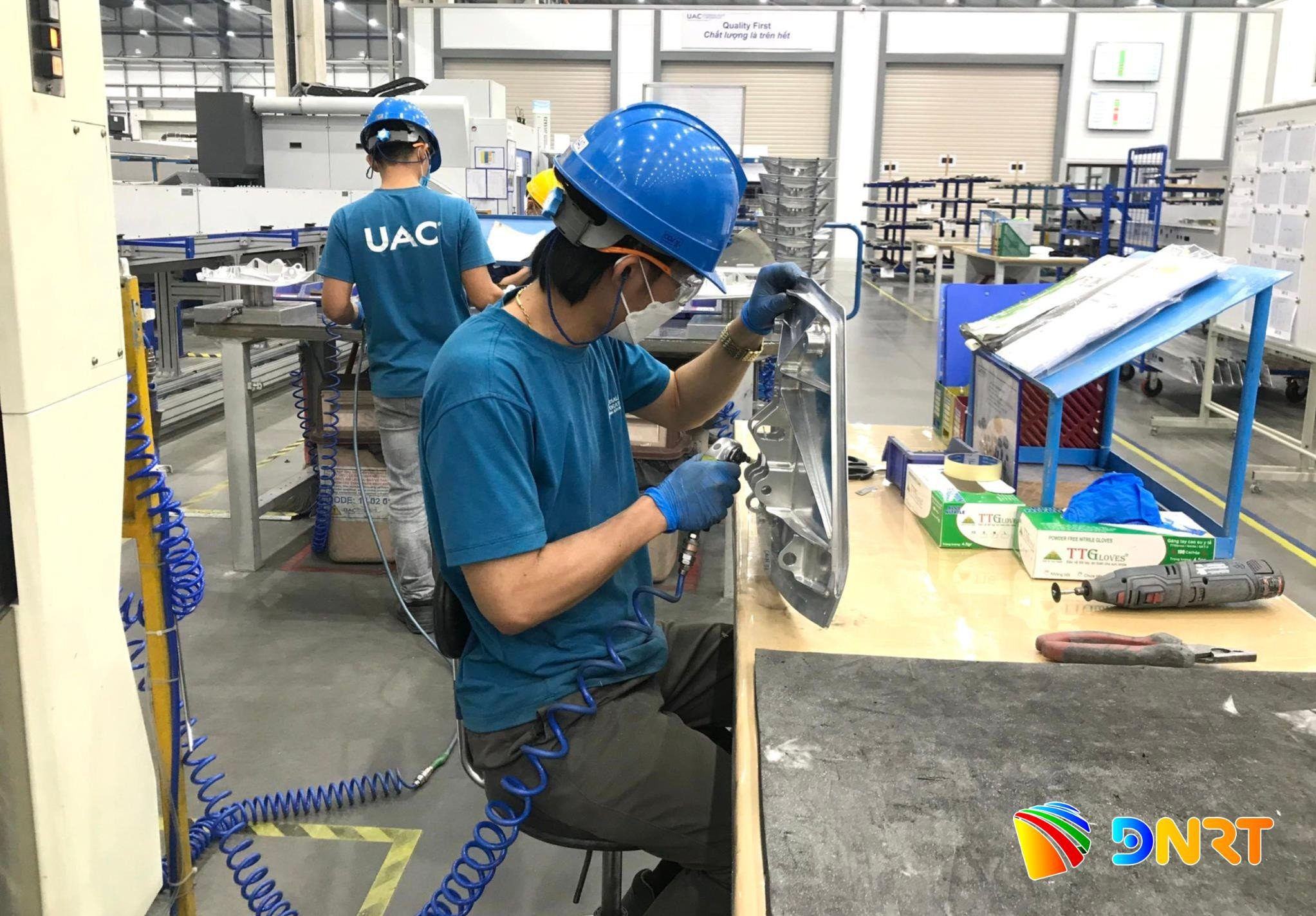
The above-mentioned figure stands out not only for its near threefold increase, but for the changing pattern of capital flows behind it.
During the period, Da Nang granted investment certificates to 100 new FDI projects with total registered capital of US$522 million. While the number of new projects rose 29.9%, their registered capital surged 258.2% from a year earlier.
Another 38 existing projects increased their investment capital by a combined US$142 million, nearly doubling the figure recorded in the same period last year.
The average scale of new projects is expanding. Capital is not only flowing into Da Nang in greater volumes; it also appears to be arriving with larger investment ambitions.
This adds weight to Da Nang’s position as an increasingly attractive destination for international capital.
Resolution No. 10-NQ/TW, issued by the Politburo on June 8, 2026, calls for a shift from primarily attracting capital toward building a strategic investment foundation.
The resolution emphasizes investment quality, technological transfer, participation in supply chains, value creation and stronger links between foreign-invested companies and domestic businesses.
For Da Nang, the timing is significant. Following the expansion of its development space, the city has a broader economic structure and a wider range of advantages, including seaports, aviation, logistics, high-tech industries, tourism, services and human resources.
Strategic platforms such as the High-tech Park, the Free Trade Zone and the International Iinancial Centre can reinforce one another, creating a more interconnected environment for international investment.
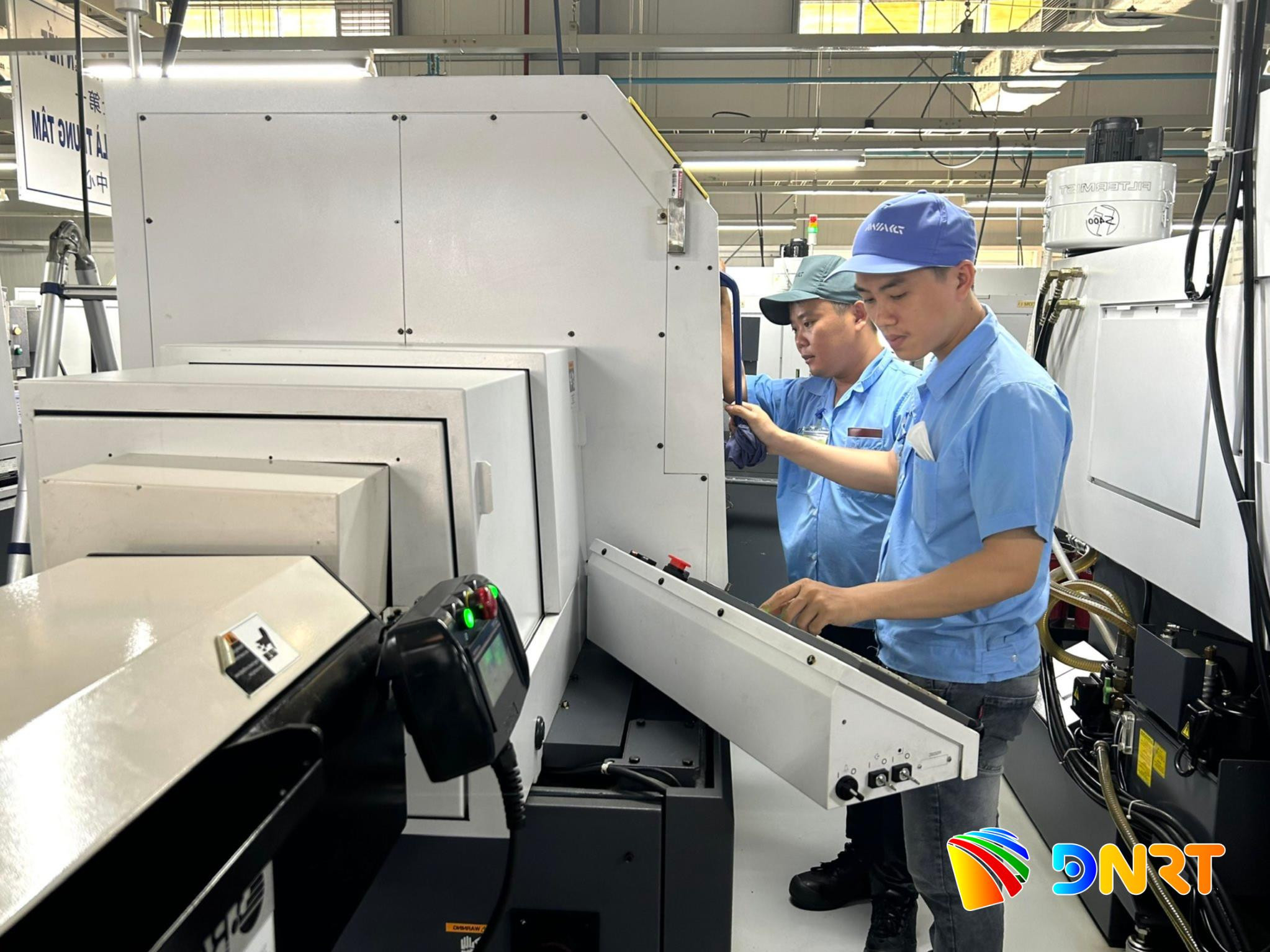
The opportunity lies in connecting these assets into value chains. The seaport can connect with logistics; the airport with trade; the high-tech park with universities and skilled talent; the free trade zone with international markets; and the international financial centre with long-term capital.
Equally important is creating stronger links between FDI enterprises and domestic businesses.
When these connections take shape, FDI can become part of Da Nang’s new productive capacity. In such an ecosystem, FDI projects can become more than stand-alone investment destinations.
They can serve as links connecting foreign companies with Vietnamese suppliers, universities, technology developers and service providers.
This is where the impact of FDI can become more visible. A foreign-invested project brings not only capital, but potentially technology, international markets, management standards and new business networks.
When domestic companies become suppliers, local workers acquire new skills and Vietnamese firms move further into global production networks, the economic value of FDI extends far beyond the original investment.
Resolution No. 10-NQ/TW sets a target for 2030 under which 75% of foreign investment capital will come from developed economies with strong technological and financial capacity and modern management expertise.
It also aims to have around 10,000 domestic enterprises participate in the value chains and supply chains of FDI companies.
Priority sectors include electronics, semiconductors, digital equipment, AI, big data, biotechnology, energy and advanced materials, green industries, modern logistics, supply-chain services, finance and other high-value-added services.
For Da Nang, the strong FDI performance in the first eight months provides a solid starting point.
The next chapter is about turning growing capital flows into stronger production capacity, deeper technology links, better-skilled human resources and a more connected business ecosystem.