

Da Nang’s Cham Sculpture Museum expands digital transformation efforts
DNO - Digitizing the presentation and preservation of artifacts, and applying artificial intelligence (AI) to heritage education are among the key initiatives undertaken by the Da Nang Museum of Cham Sculpture in recent years to help preserve Cham culture in the digital space.
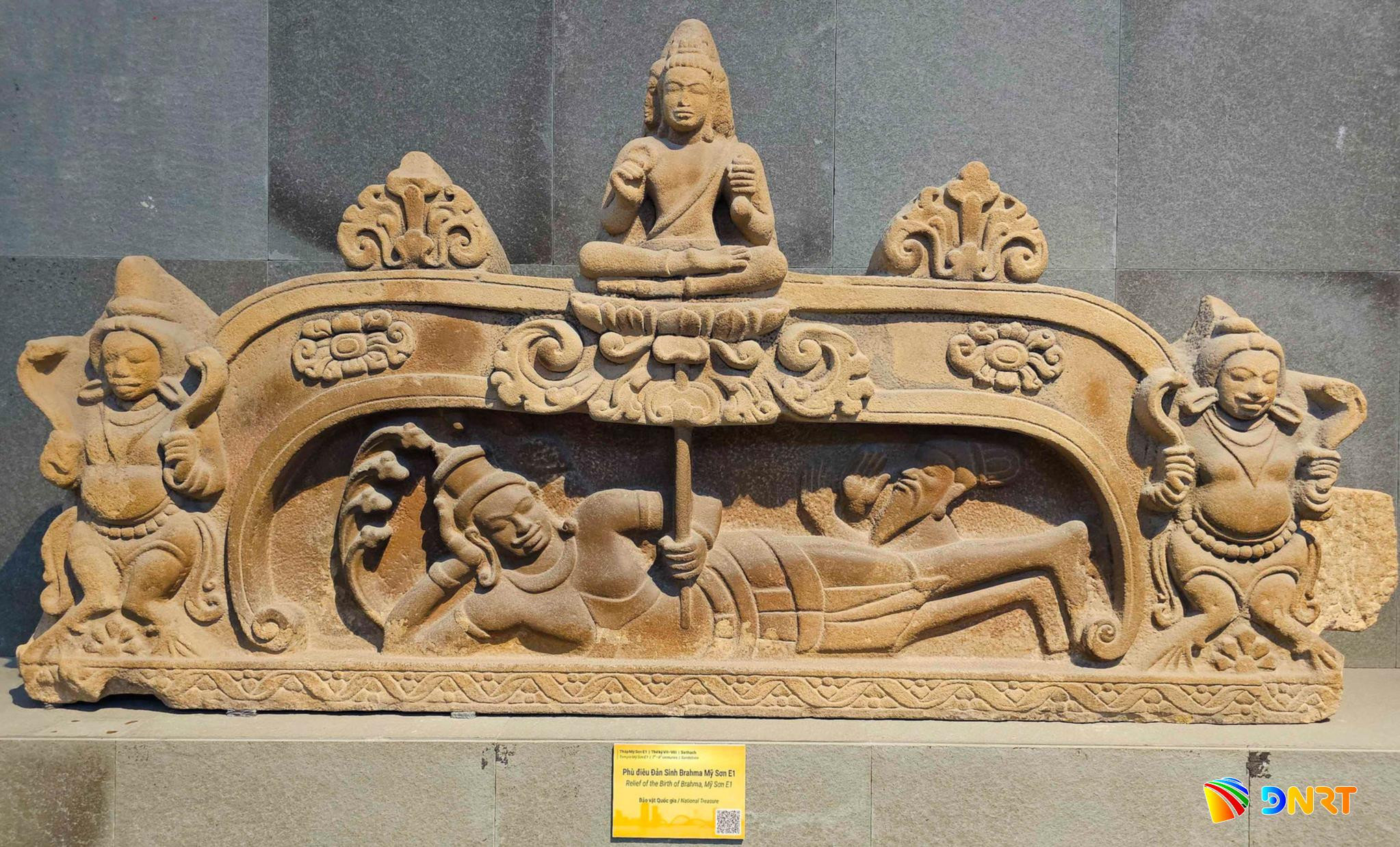
Since 2021, the Da Nang Museum of Cham Sculpture has been the first museum in Vietnam to be featured on the Google Arts & Culture platform, helping to bring Cham cultural heritage closer to the international public.
Over the past time, the museum has gradually developed a multi-platform communication system, including a website, Facebook, TikTok, and YouTube channels.
Also, it has focused on increasing the production of short videos, infographics, images, and storytelling content about Cham artifacts, relics, culture, and art.
During the first half of the year, the museum’s website published more than 20 articles and attracted nearly 30,000 visits. Its social media platforms posted over 50 bilingual Vietnamese-English articles on its Facebook page, Instagram, and TikTok.
Regarding heritage education, the museum has been researching and applying AI in designing educational materials on heritage for children.
It has been developing an AI-powered automated audio guide system integrated with a chatbot to enhance visitors’ experiences.
Museum leaders affirmed that the unit will continue accelerating its digital transformation roadmap toward becoming a smart museum.
One of its key priorities is the 2D and 3D digitization of its collections, particularly the 12 National Treasures currently housed at the museum.
The Da Nang Museum of Cham Sculpture also plans to develop an online digital exhibition and cultural experience platform. The aim is to enable the public to access and explore Cham cultural heritage in new, vibrant, and more engaging ways.
Moreover, RFID technology will be introduced to support artifact inventory, management, and movement tracking.
The technology is expected to improve accuracy, save time, strengthen collection management, and enhance the safety of artifacts during storage, exhibition, and transportation.