

Vietnam emerges as top Asian magnet for long-term manufacturing
DNO - Vietnam is emerging as one of Asia’s main destinations for long-term manufacturing investment, driven by an increasingly sophisticated industrial base, effective policy implementation and deeper integration into global supply chains.
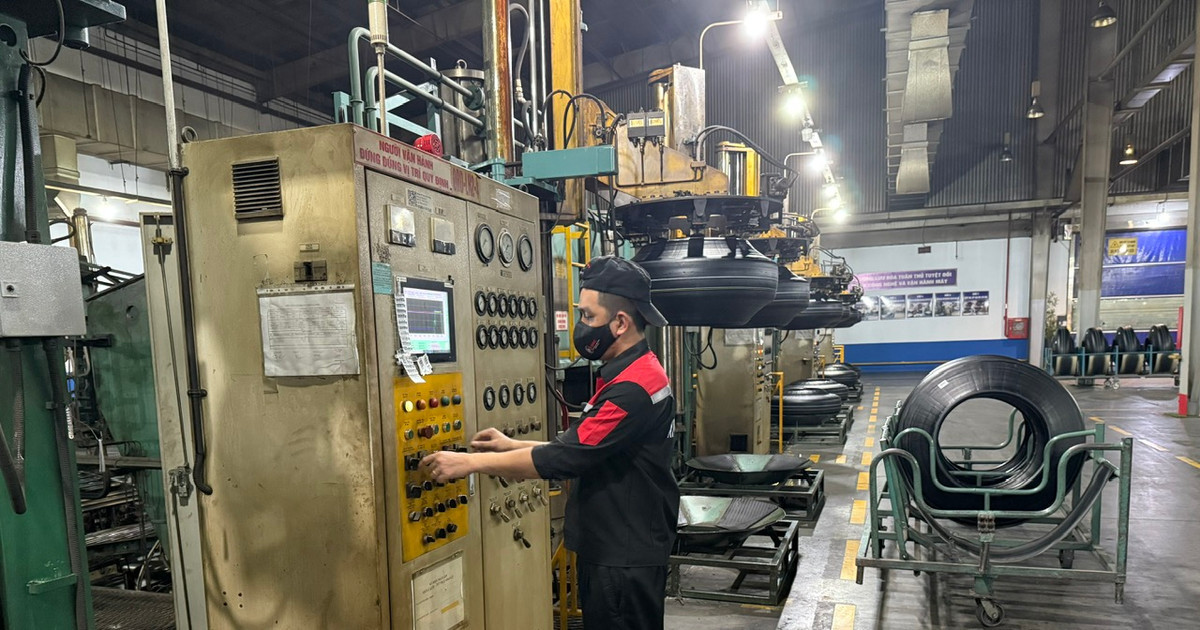
Vietnam enters the second half of 2026 with one of the most attractive macroeconomic outlooks in Asia.
The country is transforming from a beneficiary of global supply chain diversification into one of the region’s most attractive structural growth platforms for long-term investment.
This assessment was made by Chief Economist at IQI Global Malaysia Shan Saeed during a recent interview with the Vietnam News Agency (VNA).
Vietnam's real GDP expanded by 8.18% in the first half of 2026, up from 7.63% a year earlier.
Industrial production continued to gain momentum, with value added across the industrial sector rising 9.86% year-on-year in the first six months of 2026.
The services sector grew 8.09%, while manufacturing, the cornerstone of Vietnam's export- and investment-driven growth model, recorded a robust 10.23% increase.
The economy is moving beyond a competitive advantage built primarily on low labor costs. Instead, Vietnam is climbing the regional value chain through greater industrial sophistication, higher capital intensity, and deeper integration into electronics, machinery, components, and technology production networks.
Vietnam’s total import-export turnover reached around US$549.69 billion in the first half of 2026, up 27.1%. Exports rose by 21% to US$266.52 billion, while imports jumped 33.4% to 283.17 billion USD.
The import surge was driven overwhelmingly by machinery, production equipment, components, raw materials, and intermediate goods.
Registered foreign direct investment (FDI) totaled US$34.65 billion by the end of June 2026, representing a 61% year-on-year increase. Meanwhile, disbursed FDI increased by 11.2% to US$13.03 billion, marking the strongest first-half performance since 2022.
More importantly, Vietnam has also been reclassified by the World Bank as an upper-middle-income economy, following years of sustained rapid economic growth.
The milestone reflects the country’s long-term progress in industrialization, export expansion, foreign investment attraction and integration into global manufacturing networks.
The story of Vietnam’s economy in 2026 is not just one of faster GDP growth. It is about higher productivity, industrial upgrading, stronger capital formation, and a more prominent role in Asia’s strategic economic landscape.
Vietnam is no longer simply joining Asia's next investment cycle or serving as a recipient of global capital. Instead, it is emerging as one of the region's major destinations for long-term manufacturing, supported by growing industrial depth, effective policy enforcement, and increasingly integrated supply chains.