

Community-based tourism elevates destinations through indigenous culture
DNO - Instead of replying on mass-market tourism products, many community-based tourism models in Da Nang are leveraging the depth of local culture to create sustainable appeal.
When locals become the main storytellers of their homeland and each traditional product carries local identity, destinations not only attract visitors but also contribute to preserving heritage and creating long-term livelihoods.
Telling story of homeland
Community tourism practitioners believe that the enduring appeal of a destination lies not in staged attractions or photo spots designed to satisfy market trends, but in the authenticity and richness of local culture.
This is increasingly shaping tourism models in Hoi An, Cu Lao Cham and ethnic minority communities across central Vietnam.
Instead of turning culture into performances for tourists, local communities are choosing to tell authentic stories about their homeland through their own experiences and memories.
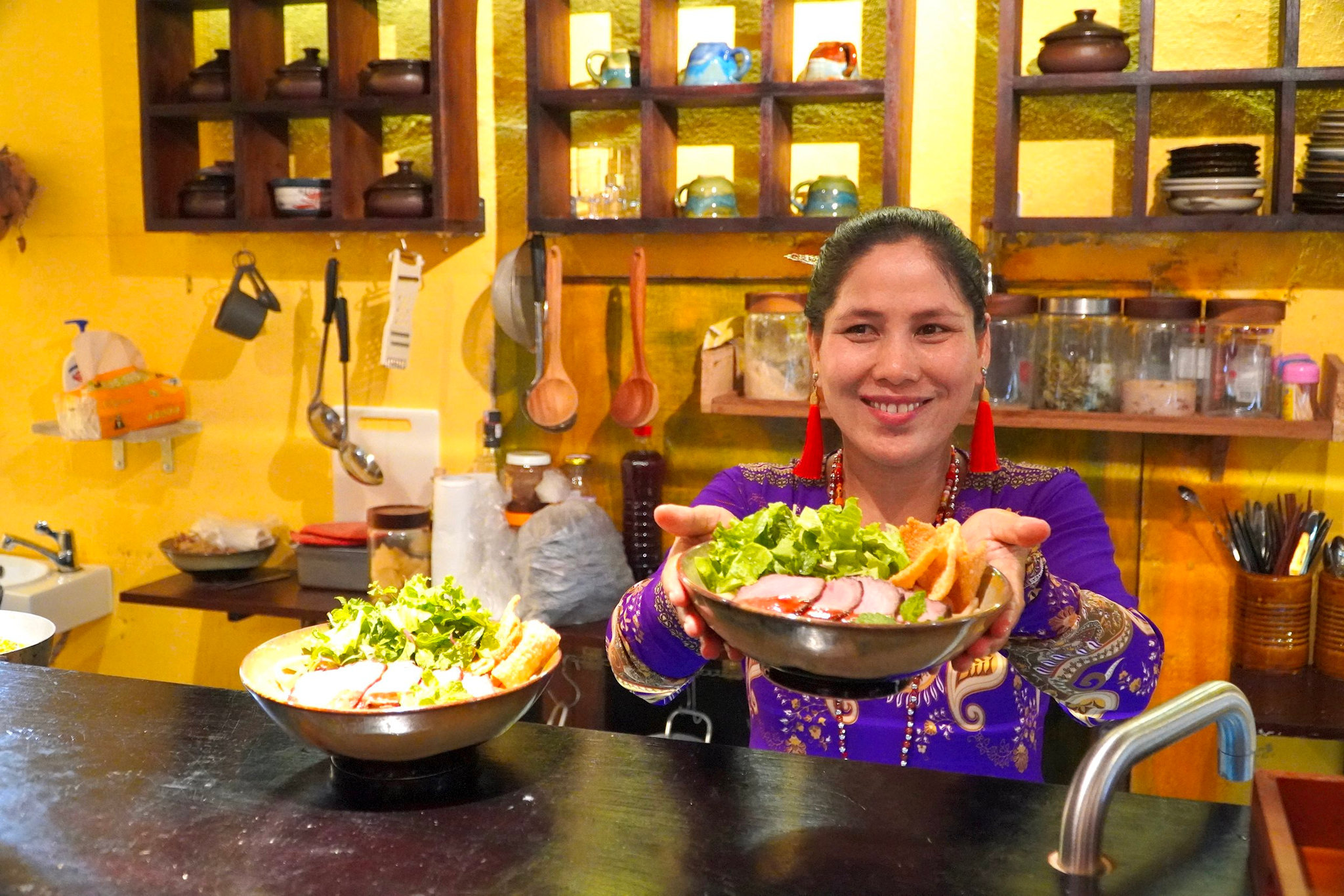
After over ten years of studying Cham culture, Kieu Maily has established a Cham Cultural Space in Hoi An.
Accordingly, visitors are invited to learn about the community’s daily life, beliefs and indigenous knowledge through personal storytelling.
According to Kieu Maily, culture resonates most deeply when it is presented sincerely and remains closely connected to the community's everyday life, rather than being adapted solely for tourism.
She believes cultural preservation can begin with simple yet meaningful efforts, such as safeguarding traditional herbal medicine knowledge or documenting everyday stories. When local people understand and take pride in their heritage, they naturally become its custodians and ambassadors.
The rapid development of technology, artificial intelligence, and mass tourism products has made the need for authentic experiences even more apparent.
Therefore, many experts believe that the future of community-based tourism lies not in building more check-in points, but in its ability to provide genuine experiences connected to local life.
Mrs. Dang Huong Giang, a representative of the Children of Vietnam organization, said that as the world becomes increasingly urbanized and digitalized, authentic experiences in indigenous communities will become even more valuable.
More importantly, if developed appropriately, community-based tourism can generate sustainable livelihoods while revitalizing cultural resources, strengthening community ties and helping younger generations reconnect with their roots.
Every local product becomes a cultural ambassador
While Hoi An is preserving heritage through cultural spaces, young entrepreneurs on Cu Lao Cham are promoting local identity through indigenous products.
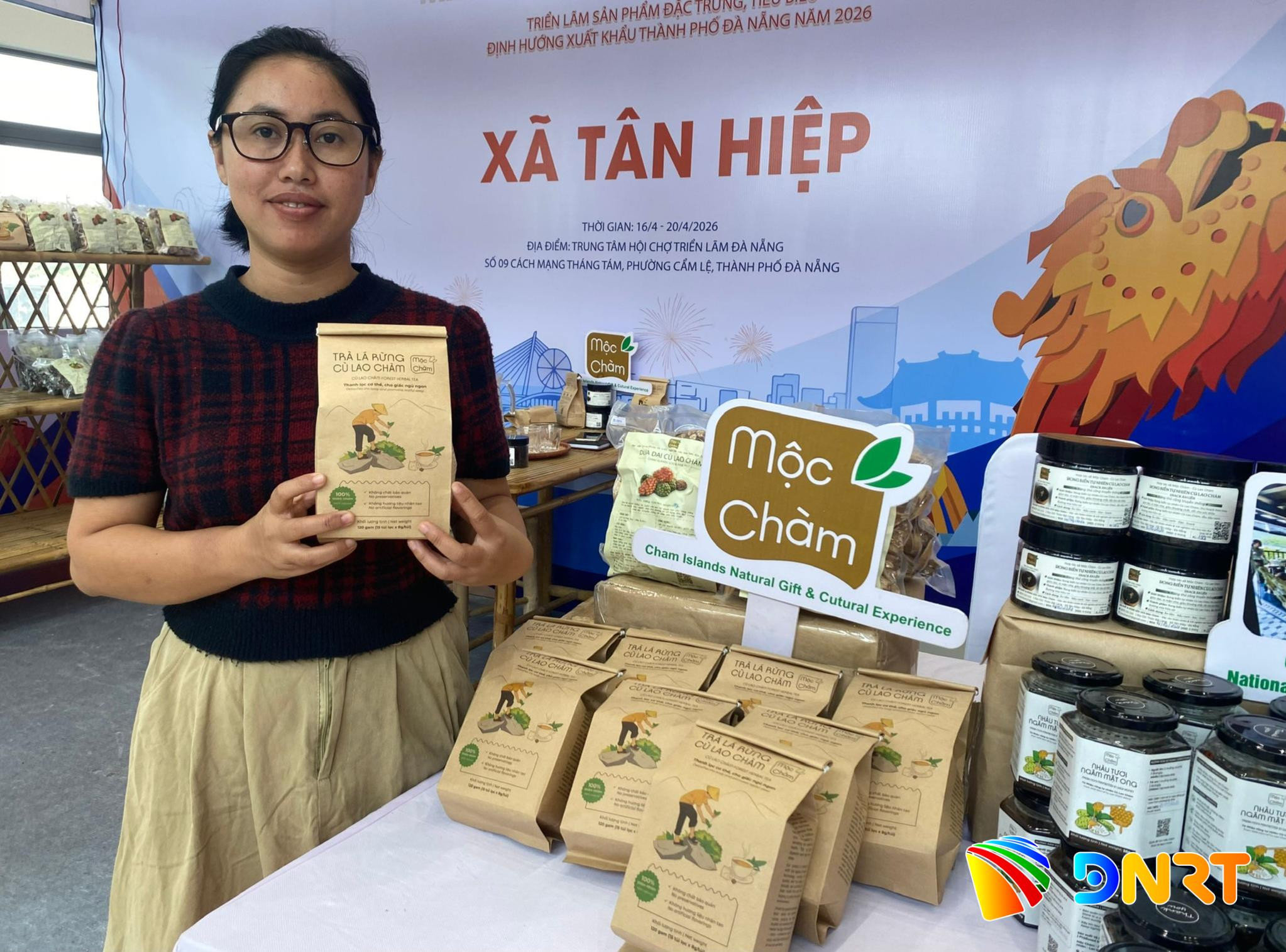
According to Ms. Le Thi Bich Cong, Director of Moc Cham Cooperative based in Tan Hiep Commune, the goal of tourism development is not only to increase the number of visitors to the island but also to enhance the value of local products so that each product becomes a “cultural ambassador”.
The cooperative was established to introduce products such as forest herbal tea, ngo dong fibre bags and handcrafted items to visitors.
As these products reach consumers, they help spread the image of Cu Lao Cham without placing additional pressure on its fragile environment.
Community-based tourism advocates note that many tourism models initially succeeded because of their novelty but gradually lost their appeal as cultural experiences became overly staged and local residents were reduced to reluctant performers.
For this reason, they argue that the next phase of tourism development should place culture at its core, communities at the center and sustainability as its guiding principle.
When every resident becomes a storyteller and every traditional product represents local identity, destinations can establish a distinctive character and maintain long-term appeal for visitors.