

Da Nang attracts potential international tourism markets
DNO - Da Nang City welcomed nearly 5.2 million international visitor arrivals in the first six months of 2026, an increase of 28.7% compared to the same period last year. This results from the city's strategies to expand potential tourism markets.

Highlights from shifting source market of tourism
South Korea remained the city’s largest international source market, accounting for 20.55% of overseas arrivals, followed by China at 8.6%, India at 6.68%, the United States at 5.82%, Taiwan (China) at 5.50%, Australia at 4.84%, the United Kingdom at 4.51%, Thailand at 3.92%, the Russian Federation at 3.76%, and Japan at 3.66%.
These numbers stem from the efforts of the city's tourism industry by implementing specialized promotional and marketing programs while developing service chains tailored to the tastes of different tourist groups.
Alongside maintaining traditional tourism markets such as Northeast Asia, Southeast Asia, Russia, and the CIS (Commonwealth of Independent States), the city's tourism industry proactively integrated into potential tourism markets such as India, the Philippines, Indonesia, Europe, and Australia.
The city's tourism industry also participated in international tourism fairs, such as OTM Mumbai, MITT Moscow, and Travex, while organizing destination promotion programs in Cebu and Manila (Philippines) and welcoming KOLs and famtrip groups for on-site surveys.
At the same time, the city coordinated with airlines to operate new routes such as Bali - Da Nang, Manila - Da Nang, and Jakarta - Da Nang. It contributes to creating a major boost, helping Da Nang more easily access Southeast Asian sources of tourists.
Deputy Director of the Department of Culture, Sports, and Tourism of Da Nang, Nguyen Thi Hoai An, said the city's communication strategies are being applied in accordance with each market on its platforms, such as Naver (South Korea), Xiaohongshu, Douyin (China), and Yangon (Russia - CIS).
In summary, the number of international tourists visiting Da Nang was expanded both in scale and market structure.
Concrete methods
Deputy General Director of Hai Van Cat International Travel Joint Stock Company (Hava Travel), Nguyen Ngoc Thien, shared his company has focused on three key solutions: renewing and personalizing tourism products, proactively connecting and expanding tourism promotion, and improving human resource capacity to cope with the changing tourist flow.
The company is continuously participating in demand-stimulating alliances, coordinating with airlines to anticipate direct flights while strengthening digital transformation to reach B2B partners. At the same time, the company is boosting its tourism staff's competence.
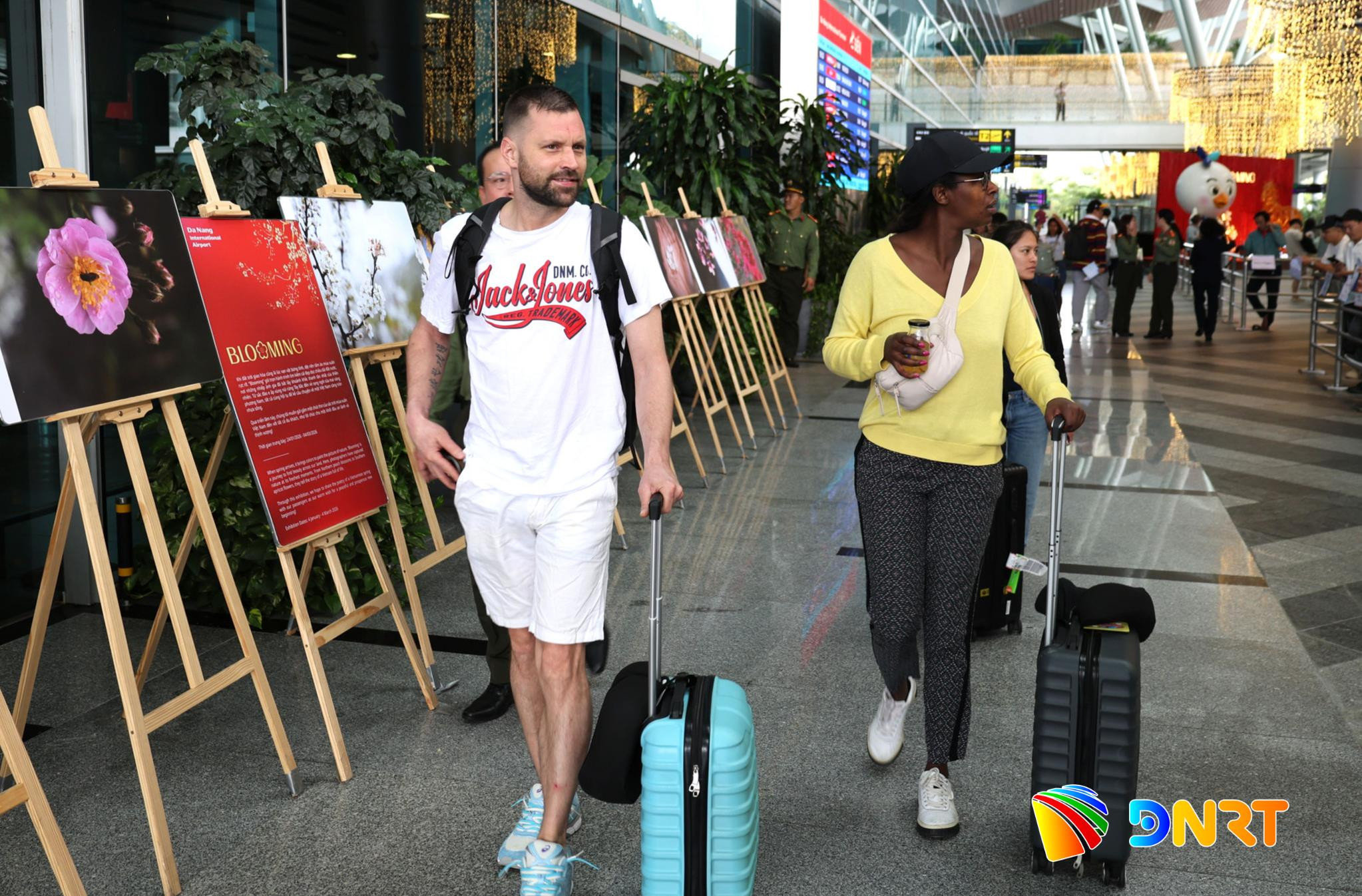
Meanwhile, Chairman of the Da Nang Hotel Association, Nguyen Duc Quynh, said that each tourism market requires a different tourism product.
For example, European tourists are interested in local culture, heritage, nature, and multi-destination itineraries. Indian tourists prefer wedding tourism and MICE (Meetings, Incentives, Conferences, and Exhibitions). Russian tourists focus on culture, while tourists from the Middle East demand for Halal products.
Therefore, he suggested Da Nang should foster tourism product diversification, focusing on the quality instead of the quantity of tourist market.
The city also needs to upgrade its digital capabilities, have a stronger presence on local platforms, upgrade foreign languages for each market, and understand tourists' consumer behavior while strengthening linkages between airlines, destinations, hotels, travel agencies, and events.