

Da Nang Free Trade Zone prioritizes hi-tech investment and innovation hubs
DNO - Da Nang’s strategic focus on the attraction of hi-tech projects and large-scale innovation centers is opening a new development trajectory for the Da Nang Free Trade Zone (FTZ).
Instead of traditional industrial models, the city aims for an open, smart, and highly connected ecosystem by partnering with the right investors at the right time.
Attracting high-quality investment flows
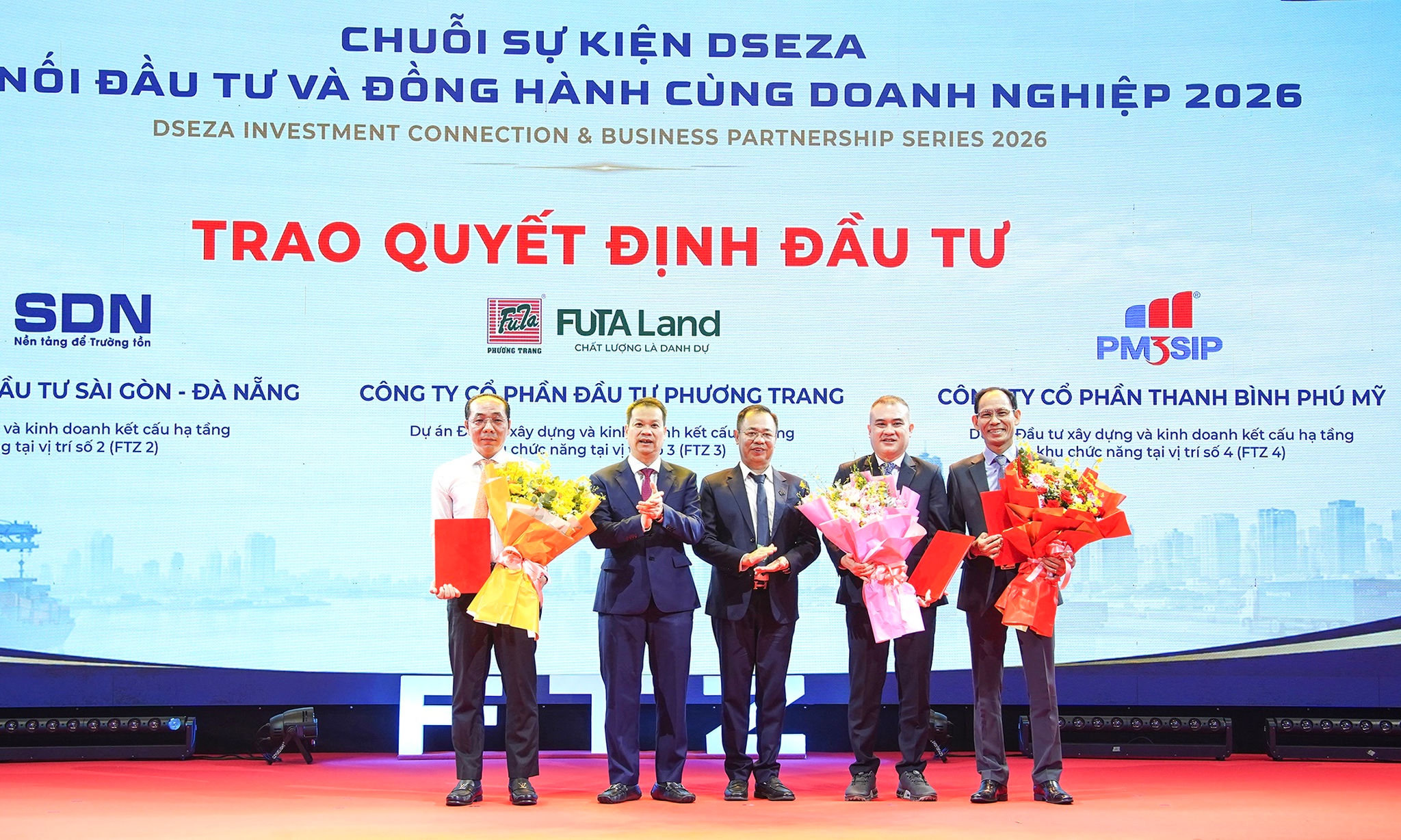
In mid-June, the city granted investment policy approvals and investment registration certificates to infrastructure development projects at sites No. 2 and No. 3 (Hai Van Ward) and No. 4 (Ba Na Commune) within the Da Nang FTZ.
These projects cover a combined area of around 910 hectares, with a total investment of over VND15.025 trillion.
Specifically, the Phuong Trang Investment JSC was selected as the investor for Site No. 3, a 500-hectare project with total investment of more than VND8.119 trillion.
The Thanh Binh Phu My JSC was approved to develop the manufacturing sub-zone at Site No. 4, spanning 335 hectares with investment capital of VND5.338 trillion.
For Site No. 2, the city approved the Sai Gon - Da Nang Investment JSC to develop functional-zone infrastructure across 75 hectares, with total investment of over VND1.568 trillion.
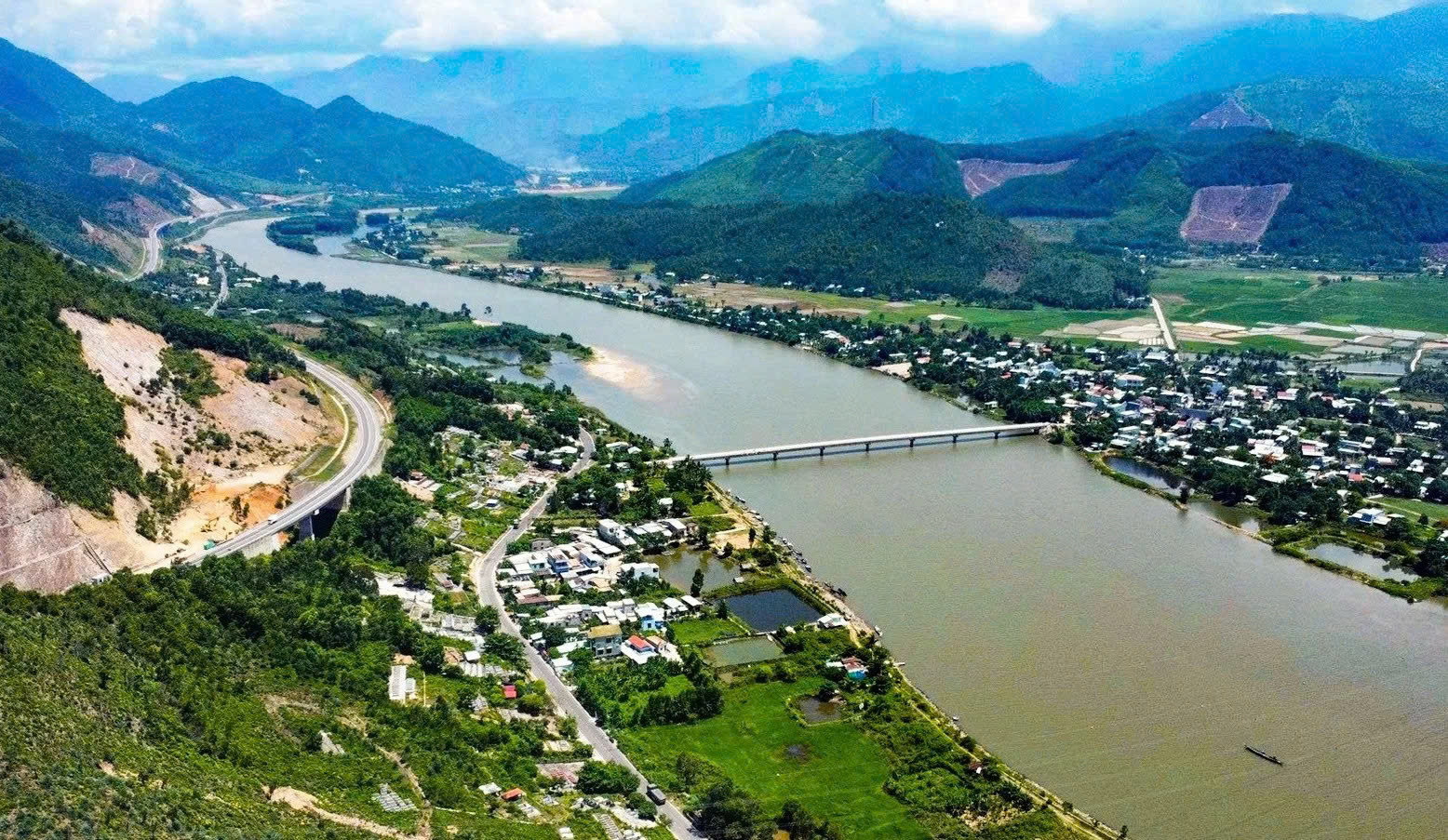
Meanwhile, development of the coastal Site No. 5 of the Da Nang FTZ began in August 2025. The VND808 billion, 90-hectare project is being undertaken by the Ba Na Cable Car Service JSC, a member of Sun Group.
Currently, the municipal government is continuing to call for investors and select developers for the remaining sites, namely Sites No. 1, 6 and 7.
The overarching goal of the Da Nang FTZ is to create a business environment that is transparent, predictable, low-cost, high-speed and competitive with other trade zones across ASEAN.
Mr. Vu Quang Hung, Head of the Da Nang High-Tech Park and Industrial Zones Authority
Da Nang has also announced plans to expand the FTZ to unlock additional growth potential and create larger functional zones.
Priority sectors include industries aligned with the city’s competitive advantages, such as modern logistics, cross-border e-commerce, high technology, semiconductors, financial and commercial services, data centers and business support services.
Hi-technology as the core strength
Not just a tax-incentive destination, the Da Nang FTZ is shaping a completely new model in which intelligence, modernity and advanced technology form the foundation of its competitiveness.
Sharing an overview of the development of FTZs across Asia, Associate Professor Dr. Ho Thi Thu Hoa, President of the Vietnam Logistics Research and Development Institute, noted that FTZs have long been an established development model in the region.
South Korea currently operates 13 FTZs, China has 13, while the United Arab Emirates (UAE) manages around 40 such zones.
In Southeast Asia, Singapore has more than 600 international shipping routes. It operates nine free trade sites in a decentralized model similar to Da Nang’s.
These sites are organized into port-linked clusters, airport-linked clusters and inland clusters that function as logistical extensions.
The Singaporean government has invested in shared infrastructure and ready-built factories, allowing businesses to begin operations immediately. The entire FTZ system is planned and managed by a single government-appointed company.
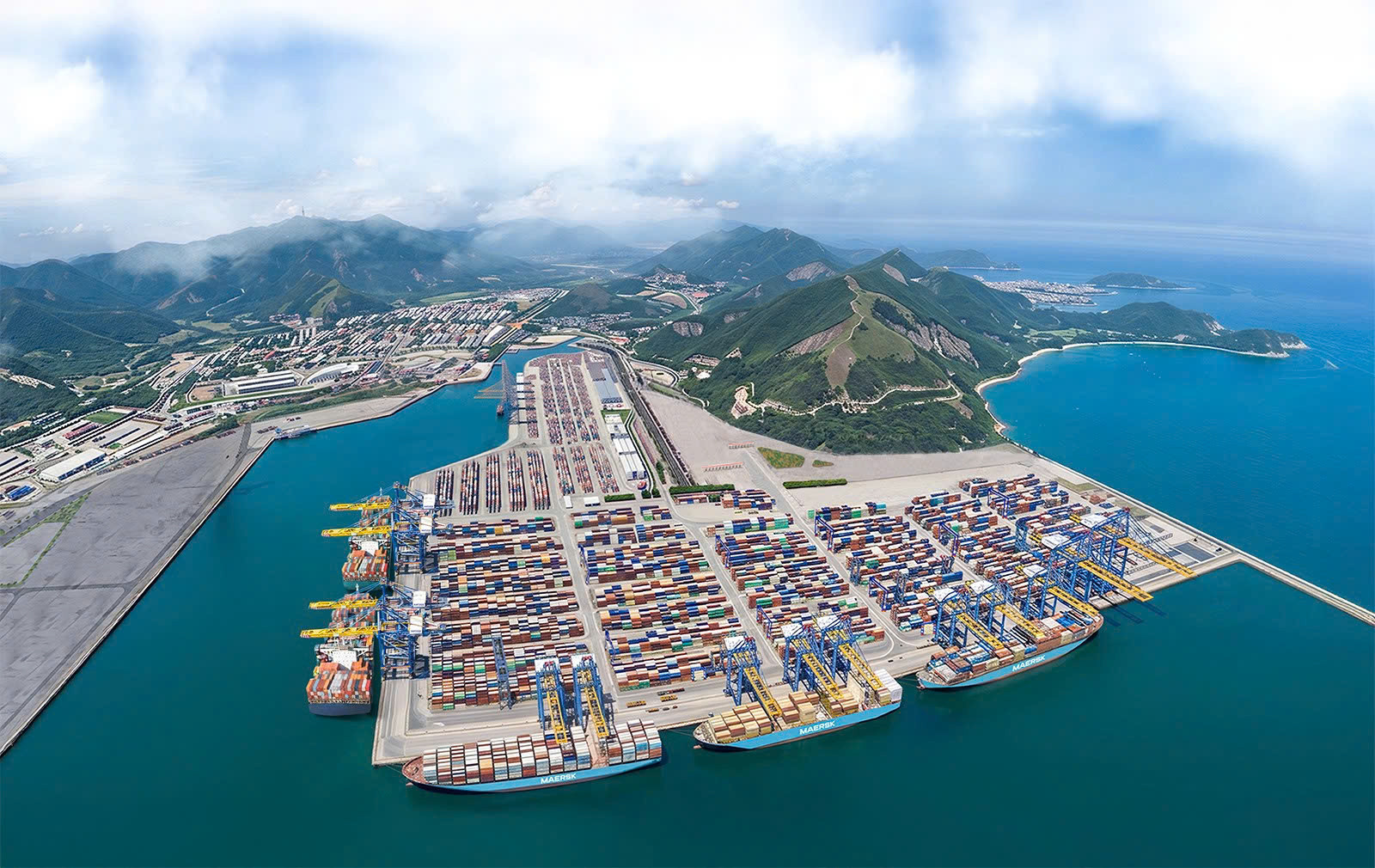
According to Associate Professor Dr. Ho Thi Thu Hoa, the seven sites of the Da Nang FTZ will help accelerate market coverage and strengthen connectivity with the city’s strategic transport infrastructure, including Lien Chieu Port and Da Nang International Airport.
In addition, these sites will leverage Da Nang’s position as a key gateway on the East-West Economic Corridor.
However, the geographical dispersion of the seven sites could create operational challenges related to connectivity and administrative procedures.
She, therefore, stressed the need for the city to boost digitalization efforts, including digital customs systems, digital data flows and the application of new technologies such as digital twins, artificial intelligence (AI) and the Internet of Things (IoT) to ensure seamless information integration.
Prioritizing investment in high-tech projects
The Da Nang High-Tech Park and Industrial Zones Authority has recently issued Notice No. 1918/TB-BQL, providing detailed guidance on sectors eligible for land allocation or land leasing without land-use-right auctions or bidding procedures for projects within the Da Nang FTZ.
Eligible sectors include investment in innovation centers, data centers, and research and development (R&D) facilities integrated with training activities; research initiatives and technology transfer support projects related to high technologies prioritized for development; strategic technologies and high-tech products encouraged for development; strategic technologies and high-tech products prioritized for development; as well as strategic technology products with investment capital of VND4 trillion or more.