

Da Nang eyes Halal market through integrated ecosystem
DNO - Da Nang is stepping up efforts to build a comprehensive Halal ecosystem, positioning itself as a competitive destination for Muslim travelers while helping local businesses access one of the world's fastest-growing consumer markets.
Leveraging Da Nang's competitive advantages
Rather than focusing solely on production, the city is encouraging the development of internationally compliant services, hospitality and supply chains that meet stringent Halal standards. This integrated approach is essential to strengthening Da Nang's competitiveness in both tourism and exports.
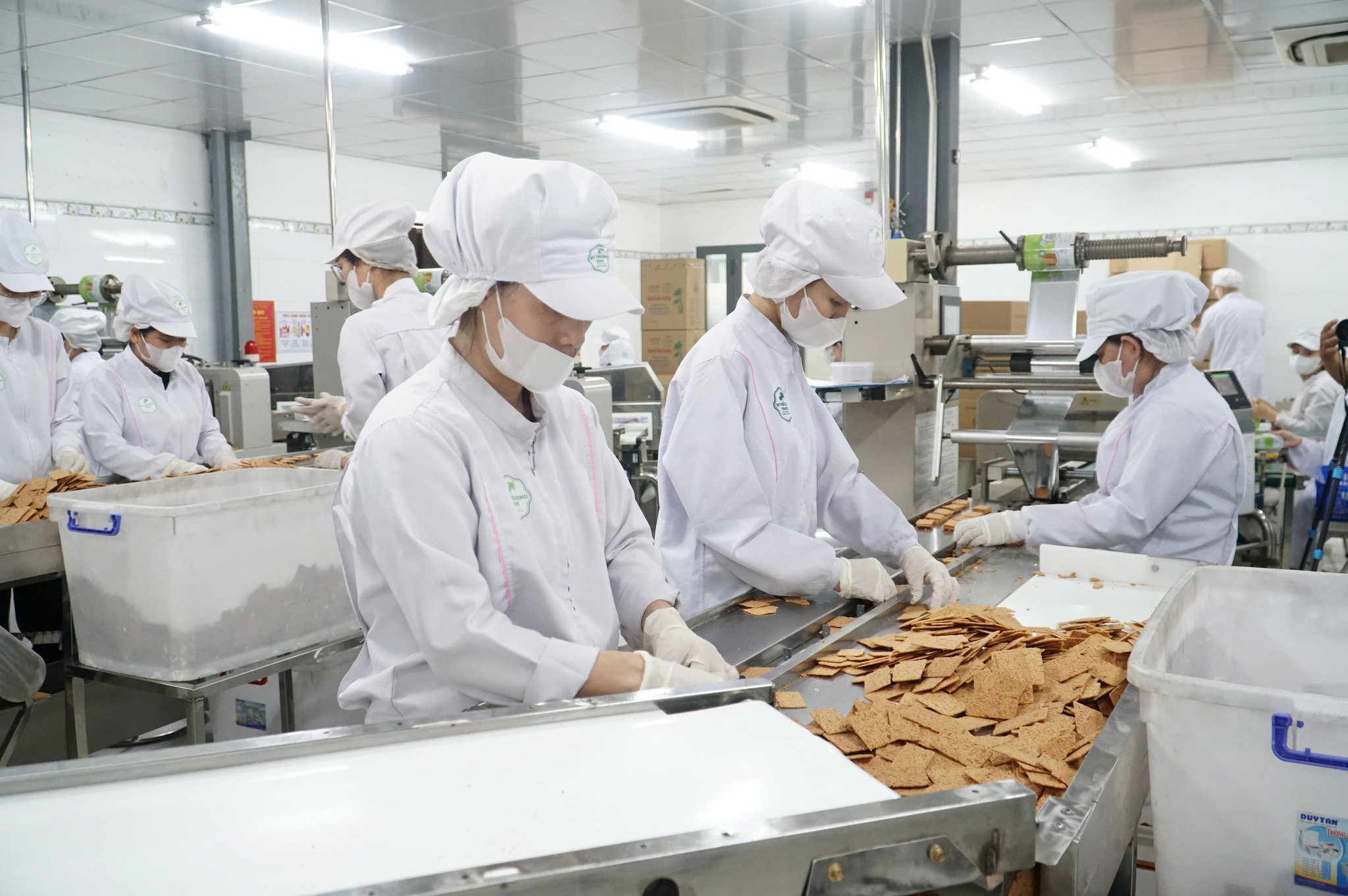
Among the city's early success stories is My Phuong Food Co., Ltd., which has spent more than four years developing the Halal market. Its products are now exported to Muslim-majority countries, including Malaysia and Indonesia.
According to company Director Mai Thi Y Nhi, obtaining Halal certification was only the first step. It took more than a year after certification before the company's first shipment reached Malaysia.
In addition to certification, businesses must meet strict requirements on product quality, pricing, marketing and international partnerships.
Da Nang companies with suitable products should confidently invest in Halal certification and integrate into the city's growing supply chain.
The Halal market is also opening new opportunities for Da Nang's tourism industry.
The Furama - Ariyana International Tourism Complex, one of the city's hospitality groups certified under Malaysia's JAKIM Halal standards for its restaurant system, has invested heavily in Halal-compliant operations.
Measures include carefully controlled sourcing of ingredients, preventing cross-contamination during food preparation, staff training on Islamic cultural practices and the recruitment of a Muslim executive chef to develop authentic Halal menus.
According to General Director Nguyen Duc Quynh, Halal-certified food is one of the most important factors influencing Muslim travellers when selecting destinations, accommodation and dining services.
The complex welcomed more than 5,000 visitors from Halal markets in 2025, demonstrating the sector's strong growth potential when supported by professional investment and internationally recognized standards.
Meanwhile, the Halal Certification Agency of Vietnam (HCA) says Halal certification is increasingly becoming a legal requirement in many international markets rather than a purely religious or voluntary standard, particularly in the food and consumer goods sectors.
Experts recommend that businesses thoroughly understand market-specific regulations, participate in Halal training programmes, review their production processes and strengthen cooperation with certification bodies, distributors and international partners to expand their global market access.
Creating an integrated Halal ecosystem
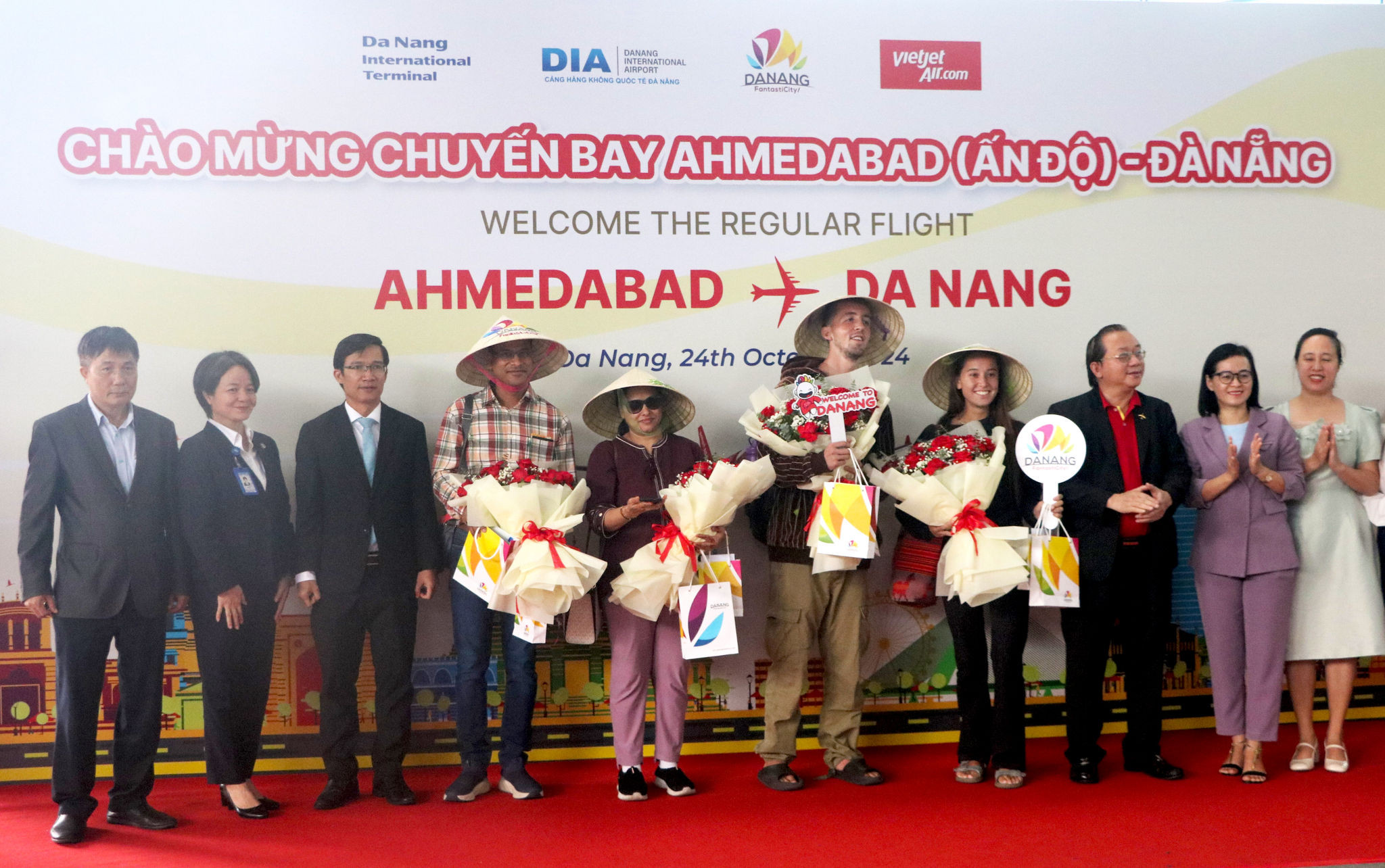
According to industry experts, Da Nang is well positioned to tap into the fast-growing Halal and Halal-friendly travel markets thanks to its expanding international air connectivity.
The city operates direct flights to key destinations including Kuala Lumpur, Singapore, Bali (Denpasar), Almaty, Astana and Tashkent, while offering convenient onward connections to India and the Middle East through major regional aviation hubs.
These transport links provide a strong foundation for Da Nang to diversify its visitor markets and attract a growing number of Muslim travelers.
The city also offers a combination of attractive beaches, world-class resorts, luxury hotels, international convention facilities, a safe environment and renowned Vietnamese hospitality, giving it a competitive edge among regional destinations.
Developing a comprehensive Halal ecosystem will enable Da Nang to capitalize on these advantages by attracting new visitor segments, raising service standards, strengthening its capacity to serve multicultural travelers and enhancing its competitiveness as a leading tourism destination in Asia.
According to Nguyen Duc Quynh, the General Director of the Furama - Ariyana International Tourism Complex, hotels, restaurants and resorts will play a pivotal role in building Da Nang's Halal tourism ecosystem.
To fully capitalize on the rapidly growing Muslim travel market, the city must develop an integrated ecosystem rather than relying on a handful of Halal-certified establishments.
Such an ecosystem should encompass accommodation, dining, transportation, tour guides, tourist attractions, shopping, prayer facilities and comprehensive visitor information.
He also called for stronger awareness, workforce training and greater support for businesses seeking Halal certification and developing compliant supply chains.
Meanwhile, Huynh Xuan Son, the Deputy Director of the Da Nang Department of Industry and Trade, said the Halal economy now extends far beyond food into manufacturing, logistics, tourism and services.
Leveraging its strengths in industrial production, food processing, seaports, aviation and tourism, Da Nang aims to build a Halal-compliant ecosystem that expands exports while attracting Muslim tourists, investors and international partners.