

Agricultural tourism in Da Nang gives visitors rural life experiences
DNO - As travelers increasingly seek experiences that bring them closer to nature and local life, agricultural tourism is emerging as an attractive product in many rural areas of Da Nang.
Beyond sightseeing, visitors can directly take part in farming activities, thereby gaining a deeper understanding of local culture and the value of agricultural labor.
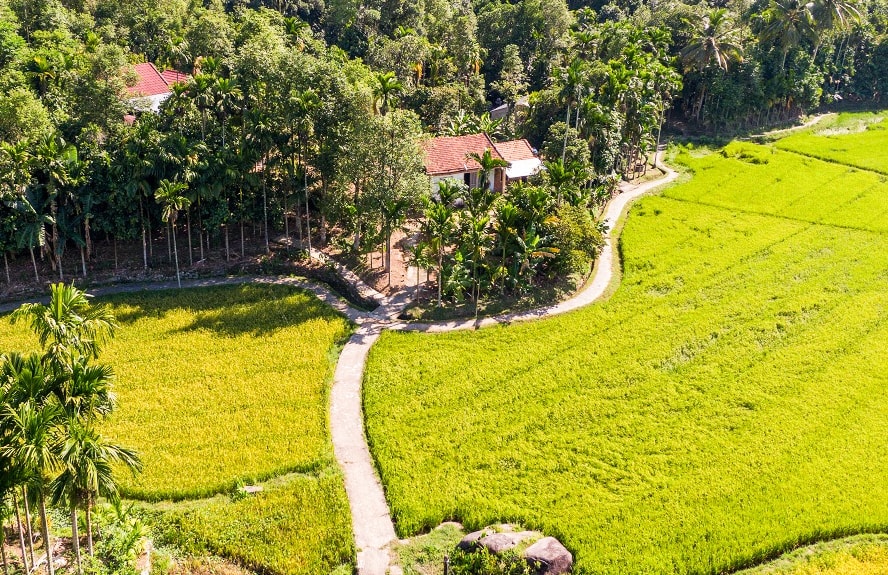
Becoming a farmer for one day
Recently, several agricultural tourism destinations in western Da Nang have attracted a large number of visitors, especially families with young children and international visitors.
Rather than simply admiring the scenery or taking photographs, visitors can plant and care for crops, harvest produce, and participate in the daily work of local farmers.
According to Mr. Nguyen Thanh Tuyen, Head of the Dai Binh Village, years of community-based tourism development have helped the village establish five homestays capable of accommodating nearly 150 guests.
During holidays and weekends, the village welcomes hundreds of visitors from across the country and abroad.
Mr. Tuyen said what appeals most to visitors is the community’s commitment to maintaining a nature-friendly gardening tradition.
Residents limit the use of chemical fertilizers and pesticides while preserving traditional fences, home gardens, family meals, and communal activities.
Visitors to the village can enjoy fresh fruit directly from orchards, share meals with local families, learn how bean sprouts are cultivated on riverside sandbanks, explore Cam (Forbidden) Forest, trim tea hedges, join fishermen on boat trips to remove nets and catch fish, and listen to stories about how the village was preserved in earlier times.
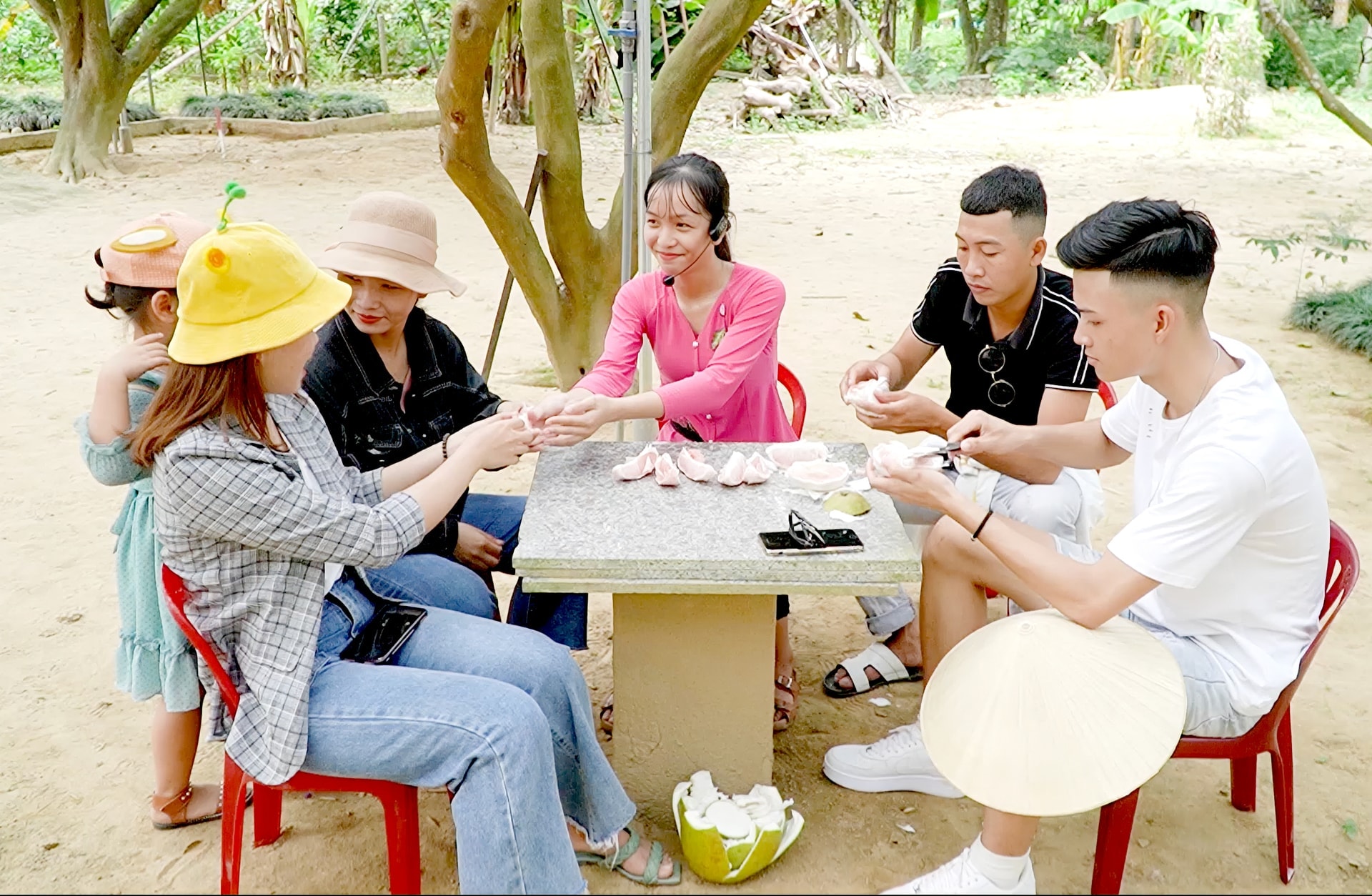
Many say that these seemingly simple activities offer a refreshing and memorable experience.
Amid the tranquility of the countryside, they have the opportunity to escape the hustle and bustle of life to immerse themselves in nature and embrace the slow pace of rural life.
Diverse destinations
Da Nang’s organic agricultural tourism network spans a wide variety of destinations, stretching from coastal and midland areas to mountainous ecological landscapes.
In Tra Que, the organic vegetable-and-rice farming area has evolved beyond the scope of a traditional craft village to become a renowned experiential destination for international visitors. It has also earned recognition as one of the “Best Tourism Villages” in the world.
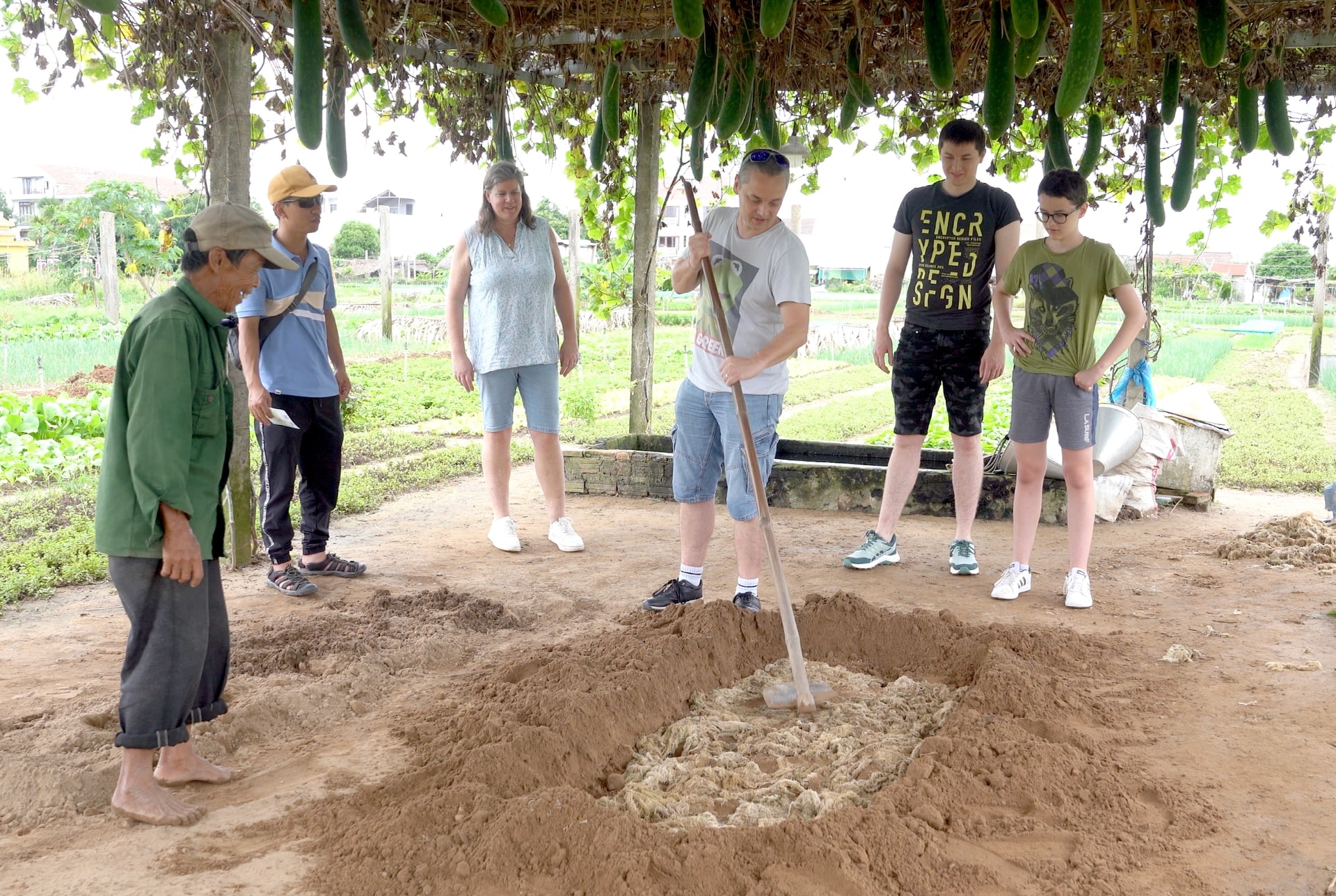
Not far away, in Hoa Vang Commune, the Tuy Loan Village Communal House and its surrounding organic vegetable gardens offer a different kind of experience.
Visitors can explore the cultural heritage of the ancient village, visit vegetable growing areas, and learn about safe farming practices.
In the south of the city, the Loc Yen Ancient Village offers its own unique charm. Traditional wooden houses, fruit orchards, rural landscapes, and the lifestyle of local residents come together to create a slow-paced journey rich in cultural identity.
Meanwhile, the Hoa Bac highlands, with the Co Tu cultural space in Ta Lang and Gian Bi villages, offer a more distinctly ecological experience.
In these villages, agriculture, forests, indigenous cuisine, gong performances, and the daily lives of the Co Tu people are all placed within a single tourism experience.
According to Mr. Nguyen Huy Cuong, a representative of a Hoi An farmstay tour operator, Da Nang's strength lies in its abundance of agricultural, ecological, and cultural spaces that complement one another, creating a diverse range of experiences for international visitors.
From vegetable plots and orchards to peaceful fields, agricultural tourism is providing authentic experiences for travelers as well as create new momentum for rural economic development.
It is increasingly considered as a promising pathway for developing green, sustainable, and distinctive tourism products in Da Nang.