

Phong Nha - Ke Bang earns UNESCO Biosphere Reserve status
DNO - The Phong Nha - Ke Bang National Park, which is home to Son Doong, the world's largest cave, has been recognized by UNESCO as a World Biosphere Reserve.
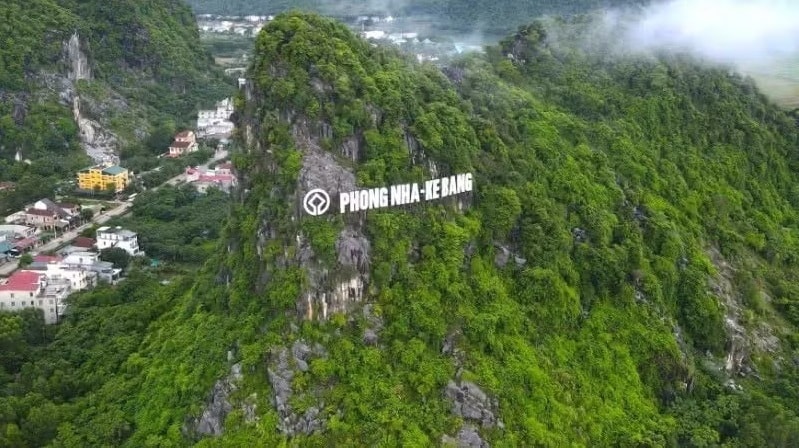
The designation, approved during the 38th session of UNESCO’s International Coordinating Council of the Man and the Biosphere (MAB) Programme in Hernandarias, Paraguay, further cements the central Vietnamese landscape’s reputation as one of the planet’s most remarkable natural treasures.
The newly recognized biosphere reserve encompasses a vast network of limestone mountains, tropical forests, underground rivers and cave systems that support exceptional biodiversity and some of Southeast Asia’s most unique ecosystems.
For conservationists, the recognition is more than an honorary title. It highlights the park’s global ecological importance while acknowledging years of efforts to protect its natural heritage and balance environmental preservation with local livelihoods.
“This is a significant milestone for both Quang Tri Province and Vietnam as a whole,” said Pham Hong Thai, the Director of the Phong Nha - Ke Bang National Park Management Board.
He noted that the designation recognizes the area's outstanding biodiversity, pristine forest ecosystems, spectacular landscapes and extraordinary geological values.
The Phong Nha-Ke Bang World Biosphere Reserve covers a total area of 515,830 hectares, comprising a core zone of 123,326 hectares, a buffer zone of 220,055 hectares, and a transition zone of 172,449 hectares. The area is home to more than 159,300 residents.
The latest recognition marks the third time UNESCO has honoured Phong Nha - Ke Bang. The park was first inscribed as a World Natural Heritage Site in 2003 and received a second inscription in 2015 for its exceptional geological and geomorphological significance.
Joining UNESCO’s World Network of Biosphere Reserves places Phong Nha - Ke Bang among 759 sites across 136 countries that serve as living laboratories for sustainable development and environmental stewardship.
Alongside its conservation significance, the new status is expected to enhance the region’s international profile, attract greater interest from eco-conscious travellers and researchers, and strengthen Vietnam’s ambitions for green growth.
For a destination already famous for its vast cave systems and dramatic landscapes, UNESCO’s latest recognition confirms that Phong Nha - Ke Bang is not only a wonder beneath the earth’s surface, but also a model for protecting nature above it.