

Da Nang eyes regional maritime logistics hub status
DNO - Da Nang has long been an important trading gateway for Central Vietnam and the whole country.
From the bustling trading ports in the past to the modern seaports of today, the coastal city is gradually realizing its aspiration to become a maritime logistics hub in the central region and expand its reach onto the international stage.
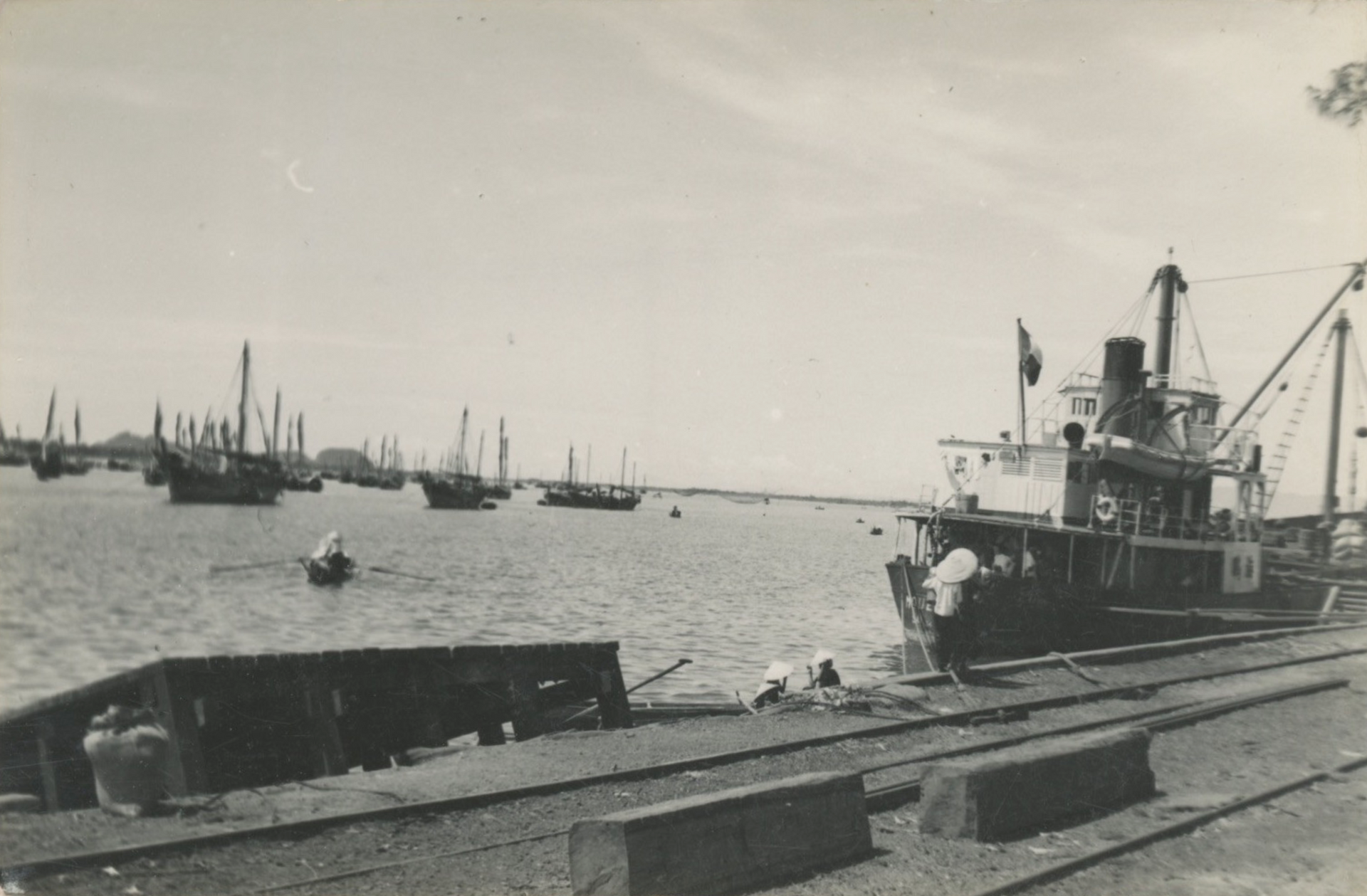
Imprint of ancient trading ports
Da Nang has early emerged as a major transshipment point linking Vietnam with neighboring countries thanks to its naturally sheltered bays, favorable deep-water conditions, and a strategic location along international shipping routes connecting Northeast Asia and Southeast Asia.
Also, it serves as the eastern gateway of the East-West Economic Corridor.
According to researchers, throughout the early commercial era in Southeast Asia (900 - 1300), Da Nang’s system of trading ports, including Hoi An and ports along the Han River estuary, and harbor facilities on Cu Lao Cham Island, actively participated in the region's maritime trade network.
Historical records also indicate that the area was a frequent destination for merchant fleets and traders from China, the Arab world, and Southeast Asia.
In the mid-16th century, when Hoi An was a bustling trading center in the south, Da Nang was positioned as a forward port, serving as a hub for cargo transshipment and ship repair.
In the following centuries, the trading ports in Da Nang continued to play an important role in the trade network of former Quang Nam Province, attracting merchant vessels from China, Japan, and Western countries engaged in commercial exchange.
In the 19th century, Faifo/Hoi An or Hoai Pho, and Turon/Da Nang were recognized as two of Vietnam's four major trading port and ranked among Asia’s principal maritime commercial centers.
When the French selected Tourane as their military and commercial gateway in central Vietnam, the region’s role in maritime trade was further reinforced.
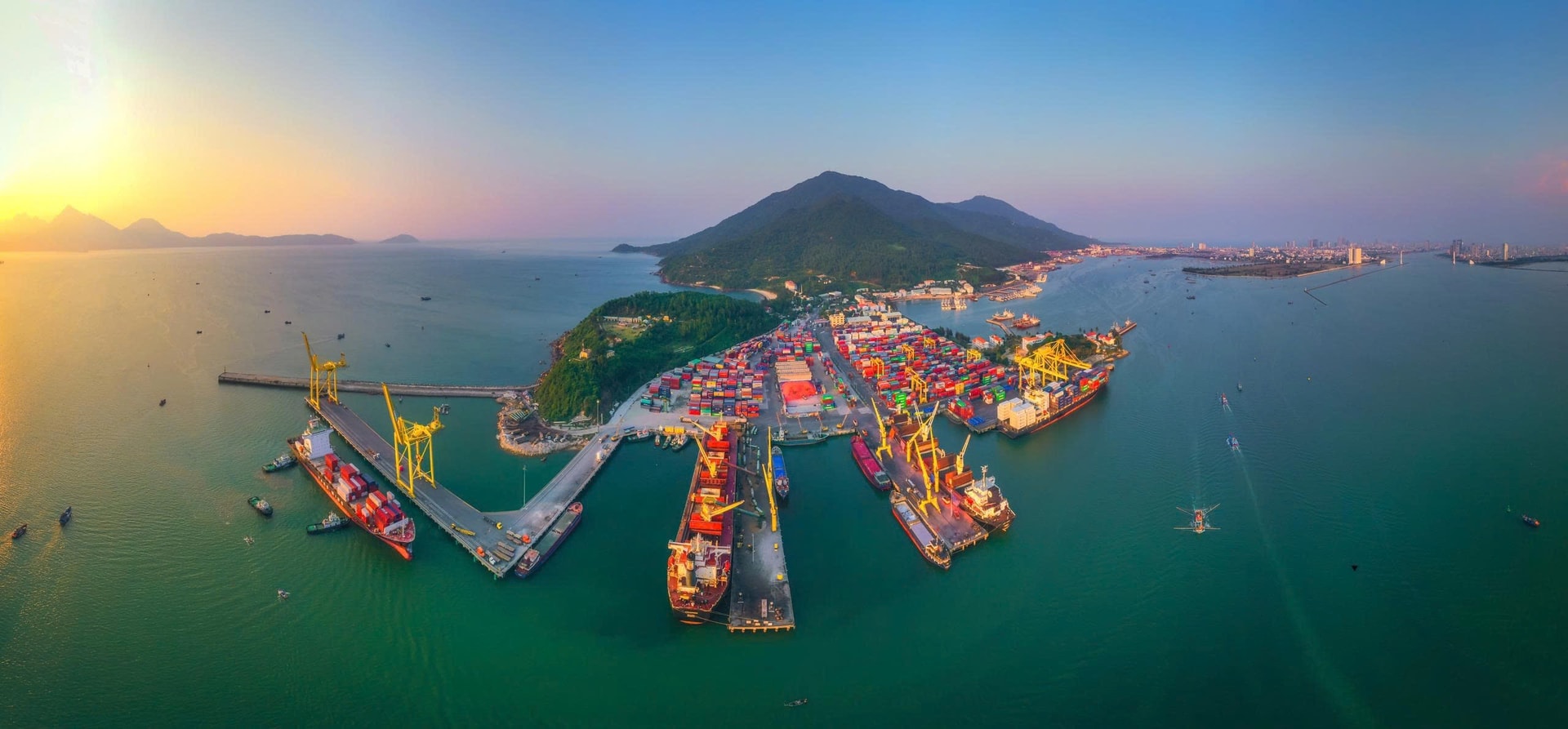
Aspiration for a maritime logistics hub
Today, Da Nang is not only known as a city of tourism and beautiful beaches, but is also gradually emerging as a new logistics destination for the central and Central Highlands regions.
Located at the end of the East-West Economic Corridor, and along the trade route connecting Myanmar, Thailand and Laos with the East Sea, Da Nang has long held the role of an open maritime gateway to the region.
This advantage is further enhanced by the city’s fairly comprehensive transportation and logistics infrastructure, encompassing road, rail, air, and deep-water seaport systems.
Along Vietnam’s central coastline, the ports of Tien Sa, Lien Chieu, Ky Ha, and Chu Lai - Truong Hai are gradually forming a continuous logistics axis that connects the north-central and south-central regions while reaching starting point of the East-West Economic Corridor.
Among, the Lien Chieu Port is expected to become a new international maritime gateway for the Central region.
At the same time, the future development of a free trade zone associated with a regional financial center is viewed as a significant catalyst, providing fresh momentum for Da Nang’s maritime logistics sector to accelerate its growth and gradually integrate into larger regional connectivity networks.
Experts believe that once Lien Chieu Port operates in tandem with the free trade zone, Da Nang will have the opportunity to become the central Vietnam's leading maritime logistics hub and an important link in ASEAN supply chains.
Combined with emerging trends such as green logistics, smart ports, and digital transformation, the city is expected to gain new competitive advantages on its journey toward regional expansion.