

Cu Lao Cham Biosphere Reserve preservation and development
DNO - Seventeen years after being recognised by UNESCO as a World Biosphere Reserve, Cu Lao Cham Biosphere Reserve (Da Nang City) continues to pursue a development model closely linked to conservation, focusing on ecotourism grounded in environmental preservation and community participation.
Community-based conservation
Since 2009, when Cu Lao Cham was recognised as a UNESCO World Biosphere Reserve, various biodiversity conservation initiatives have been implemented.
One notable effort involved relocating sea turtle eggs from Con Dao National Park to hatcheries on the island, helping thousands of hatchlings safely return to the sea.
Local authorities and communities have also restored coral ecosystems through two coral nurseries with 30 cultivation frames, covering around 4,000 square metres.
These efforts have improved coral coverage and marine fish populations, supporting fisheries recovery and strengthening climate resilience.
At the same time, community-based livelihood models such as eco-labelling for stone crabs, waste sorting, reducing plastic bag use, and eco-tourism homestays have helped residents participate directly in conservation while improving incomes.
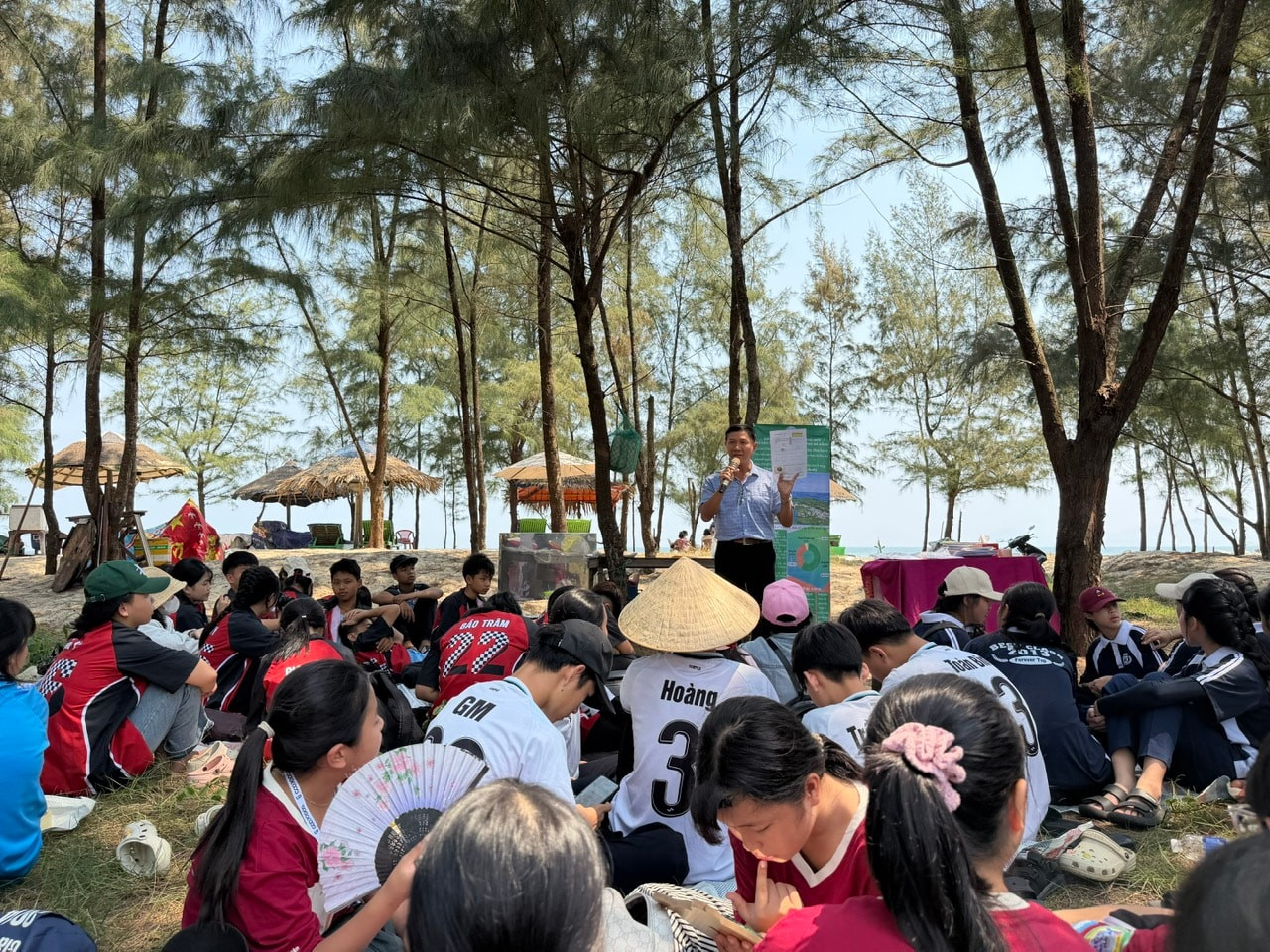
Raising environmental awareness among residents and visitors remains the most important factor in conservation efforts. Environmental education programmes have also promoted green lifestyles among students, fishermen, and tourism businesses.
A recent example is the “Our Ocean Conservation” project, which introduces marine conservation education in local schools.
Miki Nozawa, Head of UNESCO Vietnam’s Education Programme, described Cu Lao Cham as an “open classroom", where coral reefs, forests, beaches and traditional culture help inspire a future “Blue Generation” committed to protecting the ocean.
Expanding ecotourism potential
As the core zone of Cu Lao Cham Biosphere Reserve, the islands have been identified as a future national tourism destination, though ecosystem conservation remains the top priority.
Local authorities stated that ecotourism development must minimise environmental impacts while preserving the island’s natural and cultural authenticity.
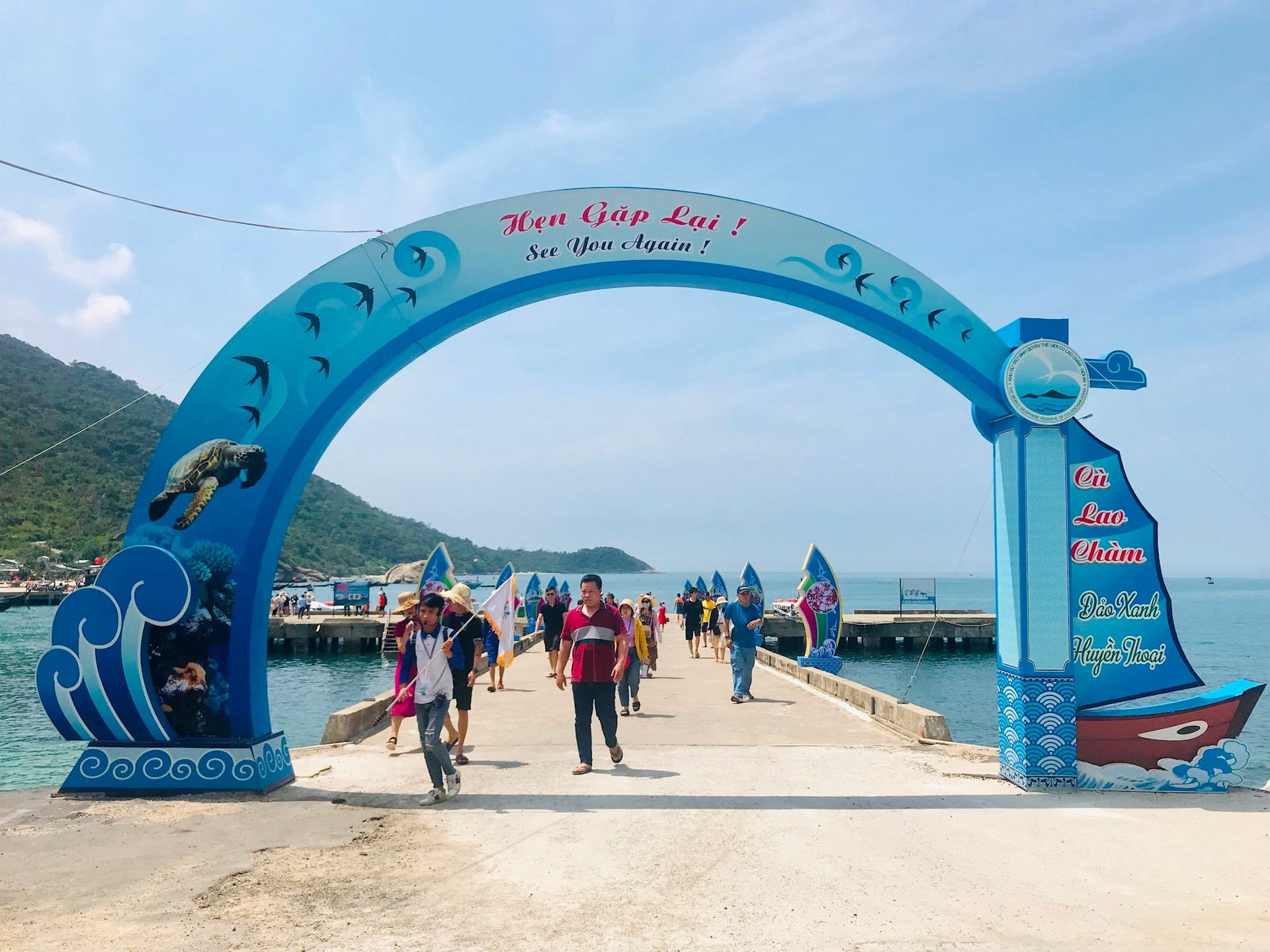
Community-based tourism is being promoted alongside resort tourism through homestays, fishing village experiences, traditional fishing activities, and seafood processing experiences.
Forest ecotourism and educational tourism activities such as trekking, wildlife observation, beach cleanups, and tree planting are also expanding. The island’s tourism philosophy is to “offer what the reserve has” rather than overdeveloping for mass tourism.
Since early 2026, the reserve’s core zone has welcomed around 200 visitors daily, while local authorities are piloting green tourism tours and biodiversity-friendly tourism certifications.
Pham Thi My Huong, Chairman of the Tam Hiep Commune People’s Committee, said the island continues to promote sustainable ecotourism through initiatives such as the “No Plastic Bags and Single-Use Plastics” campaign and plans to develop Bai Lang into a centre for services, cuisine, night markets, and community activities.
Local authorities have urged the city to invest in a standard port capable of serving regular tourist traffic and larger cruise vessels connecting the Son Tra Peninsula with the Cu Lao Cham Biosphere Reserve in the future.