

Cam Thanh Coconut Forest, quiet escape beyond Hoi An’s crowds
Just 4 km from Hoi An Ancient Town, the Cam Thanh Coconut Forest offers a quieter, slower escape, redefining itself as a destination for immersive, low-impact travel and meaningful cultural and natural experiences.
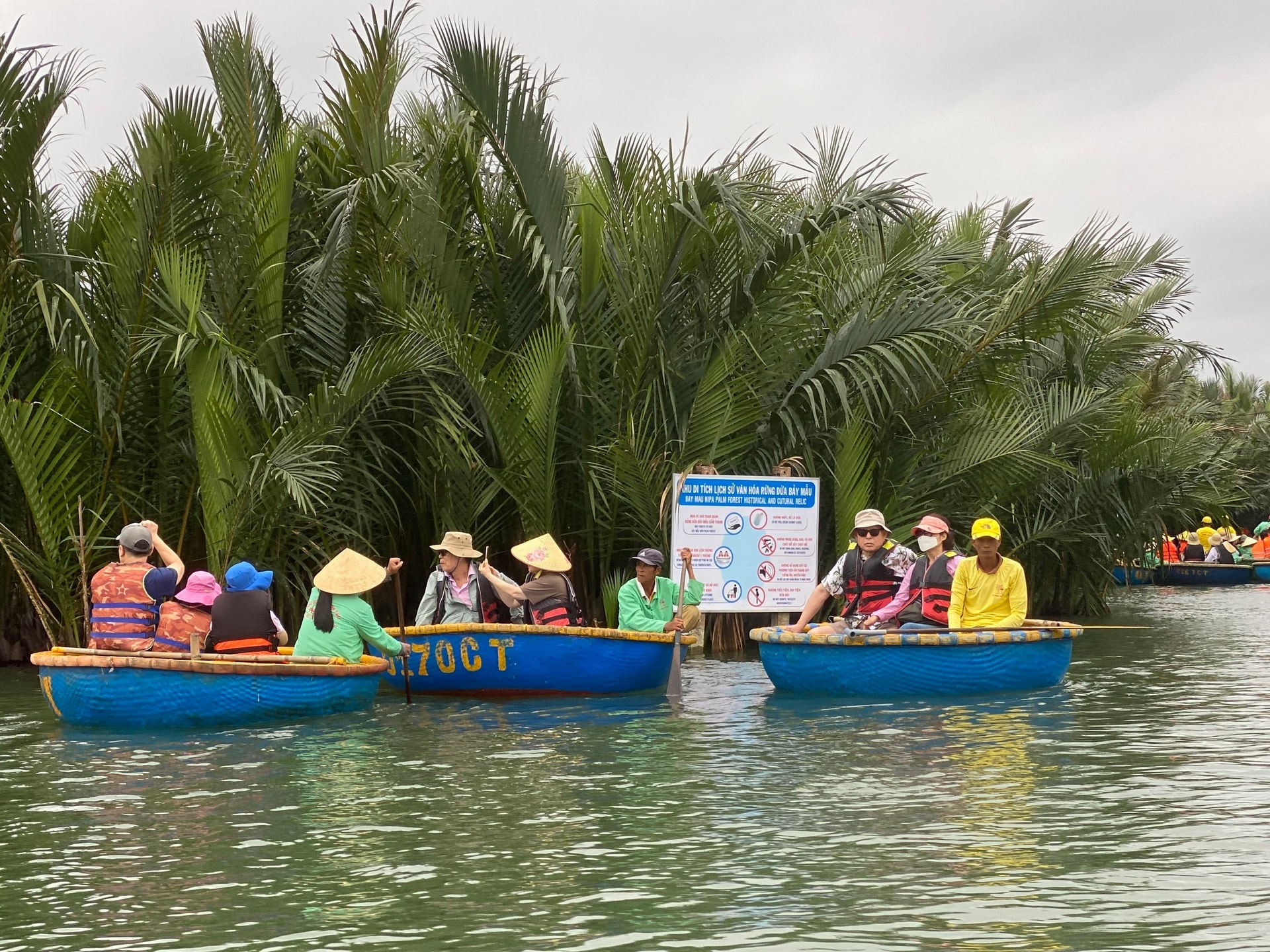
“Green sanctuary” with growing global appeal
Spanning nearly 50 hectares, including about 36 hectares of natural nipa palm forest, Cam Thanh is often described as a “green lung” of Hoi An.
Interlaced with waterways connected to the lower Thu Bon River, the area provides both ecological value and a unique landscape rarely found so close to a major heritage site.
Here, instead of crowded streets, visitors drift through shaded canals, surrounded by dense palms and the gentle sounds of water and wind.
The destination’s appeal is backed by strong visitor numbers. In 2025 alone, the forest welcomed approximately 1.1 million visitors.
In just the first four months of 2026, around 590,000 tourists had already arrived, with Asian markets dominating but long-haul travelers from Europe, the United States, and Australia accounting for roughly 15%.
These figures highlight both its popularity and its untapped potential among travelers seeking quieter, more authentic experiences.
Traditionally known for its lively basket boat rides, complete with spinning performances and music, the forest is now evolving.
Shift toward quiet, immersive experiences
Local authorities in Hoi An are developing new “quiet routes” designed to cater to visitors who prefer a more contemplative journey.
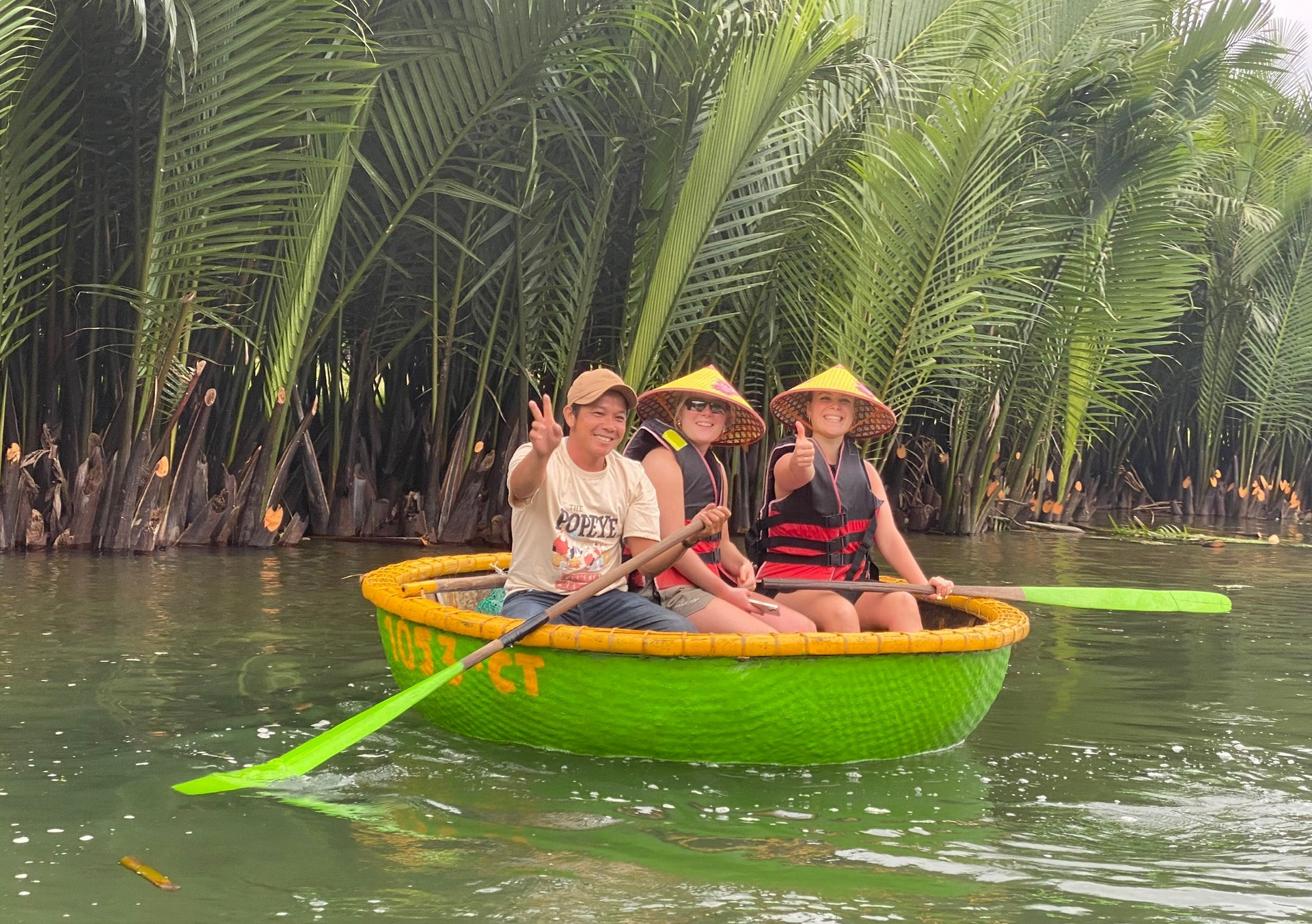
These routes are expected to guide travellers through less disturbed areas such as Go Hi and the Dinh River, where the landscape remains largely untouched.
In these calmer zones, visitors can paddle gently through narrow coconut canals, observe traditional fishing techniques, and take part in cultural activities such as bai choi folk singing, "ba trao" ritual performances, and Quang Nam folk music, all staged in open, natural settings.
The emphasis is on connection with nature, with local people and with the layered history of Cam Thanh.
Sustainability is also becoming central to the forest’s future. With growing concerns over noise pollution, environmental pressure, and overcrowding in certain areas, the move toward quieter tourism is not just a product upgrade, it is a strategic shift.
By dispersing visitors and enhancing low-impact experiences, Cam Thanh aims to protect its fragile ecosystem while improving visitor satisfaction.
Local stakeholders believe the potential is significant. With improved infrastructure, dredged waterways, and better conservation practices, the forest could become a flagship model for eco-cultural tourism in central Vietnam, particularly appealing to high-value markets that prioritize authenticity and longer stays.
In a region where tourism is often fast-paced, the Cam Thanh Coconut Forest stands out by offering something increasingly rare: space to slow down.
For travellers seeking more than just a photo opportunity, this evolving “quiet escape” promises a deeper, more memorable encounter with Vietnam’s natural and cultural heritage.