

Da Nang officials survey free trade zone model in China
DNO - A group of Da Nang’s officials, led by Vice Chairman of the municipal People's Committee Tran Chi Cuong, on Wednesday, paid a working visit to the Management Board of the Qingdao Sub-zone of the Free Trade Zone in China.
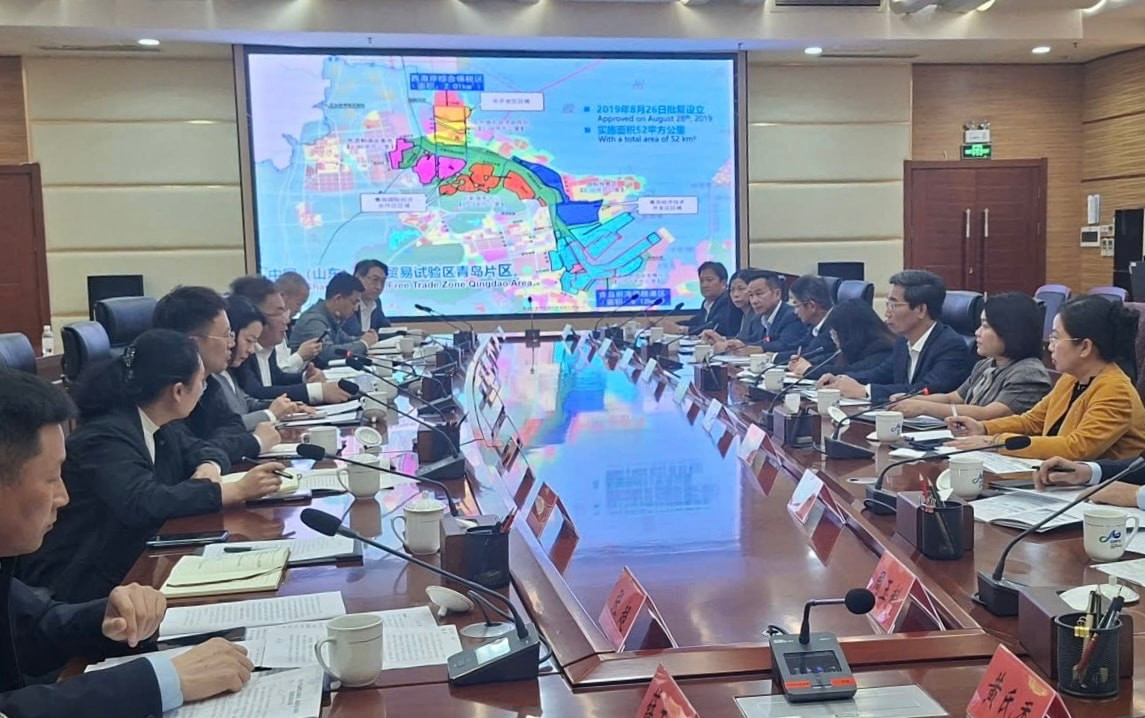
During the meeting, Vice Chairman Tran Chi Cuong expressed his appreciation for the thoughtful and respectful reception. He also provided an overview of Da Nang and shared the city’s development orientation of its Free Trade Zone.
Mr. Zhang Yunqing, Deputy Director of Administration, together with other leaders of the Management Board of the Qingdao Sub-zone of the Free Trade Zone welcomed the delegation.
They briefed Da Nang guests on the organizational model, management mechanisms, and operational practices of the free trade zone, as well as the coordination methods among relevant agencies.
In particular, the China (Shandong) Pilot Free Trade Zone was established in 2019, comprising three sub-zones: Jinan, Qingdao, and Yantai.
Covering an area of 52 square kilometers, the Qingdao Sub-zone focuses on key sectors such as international trade, modern logistics, maritime finance, new energy, and advanced industries.
The sub-zone applies specific mechanisms such as: electronic single-window customs procedures, preferential tax policies, and a pilot mechanism for financial institutions, especially supporting transactions in oil, LNG, and renewable energy.
This model is considered a direct reference for Da Nang, especially in designing governance and operational mechanisms for its planned free trade zone.
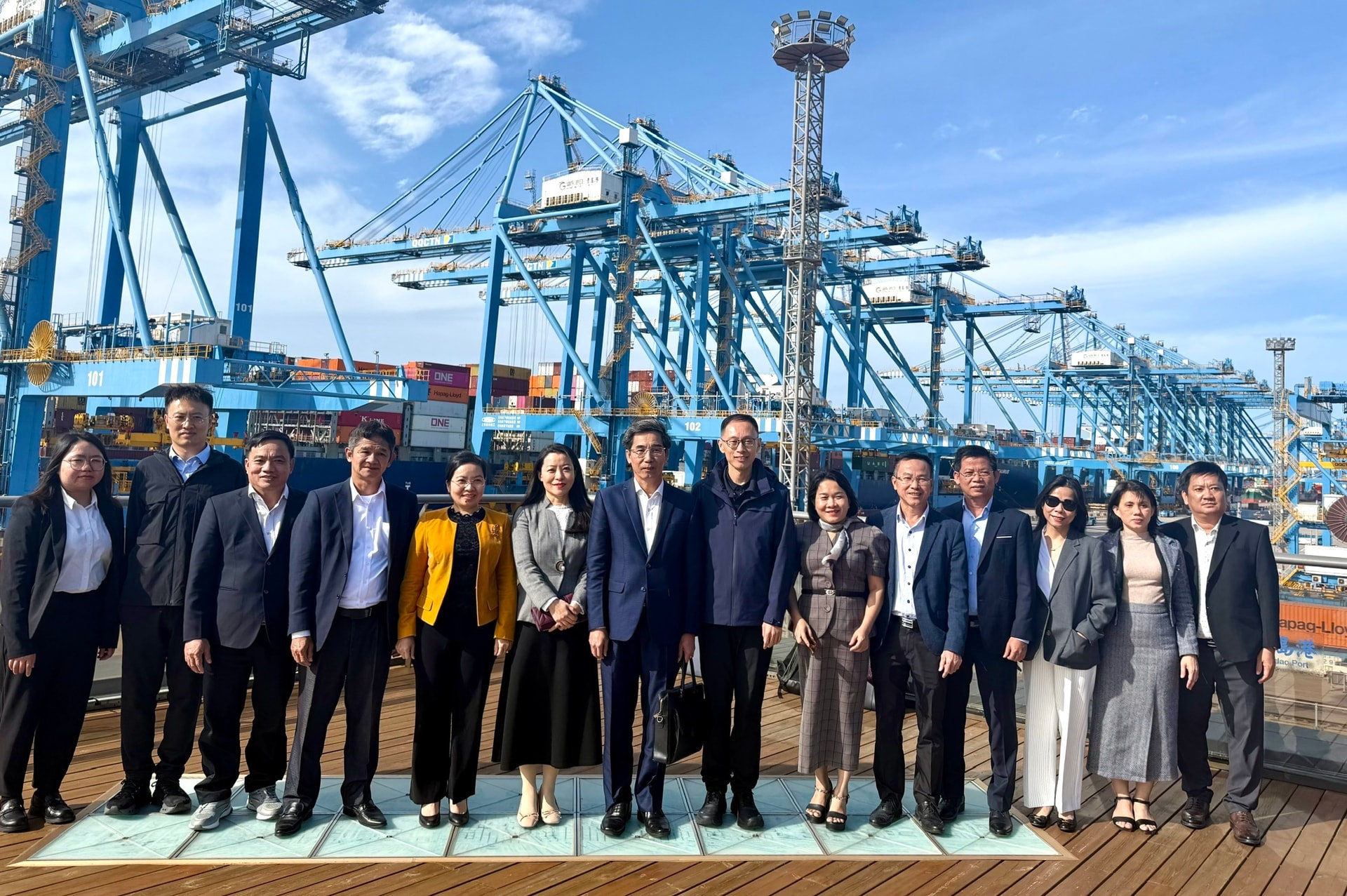
During the meeting, both sides discussed and proposed potential areas of cooperation in the coming period, particularly in attracting major and strategic investors to Da Nang.
Within the framework of the working session, the delegation surveyed the free trade zone and Port of Qingdao. This is one of the world's largest and most modern container ports, strategically located along Northeast Asia’s maritime routes and connected to more than 700 ports across over 180 countries and territories.
Beyond its container port, Qingdao’s logistics ecosystem also includes warehousing centers, processing zones, inland container depots (ICDs), and rail corridors linking to Europe, notably the Qingdao - Europe railway route.