

Vietnam among world’s top exporters: WTO
DNO - Vietnam ranked 18th among the world’s 30 largest exporting economies in 2025, with export revenue reaching nearly $473 billion, according to the latest data from the World Trade Organization (WTO).
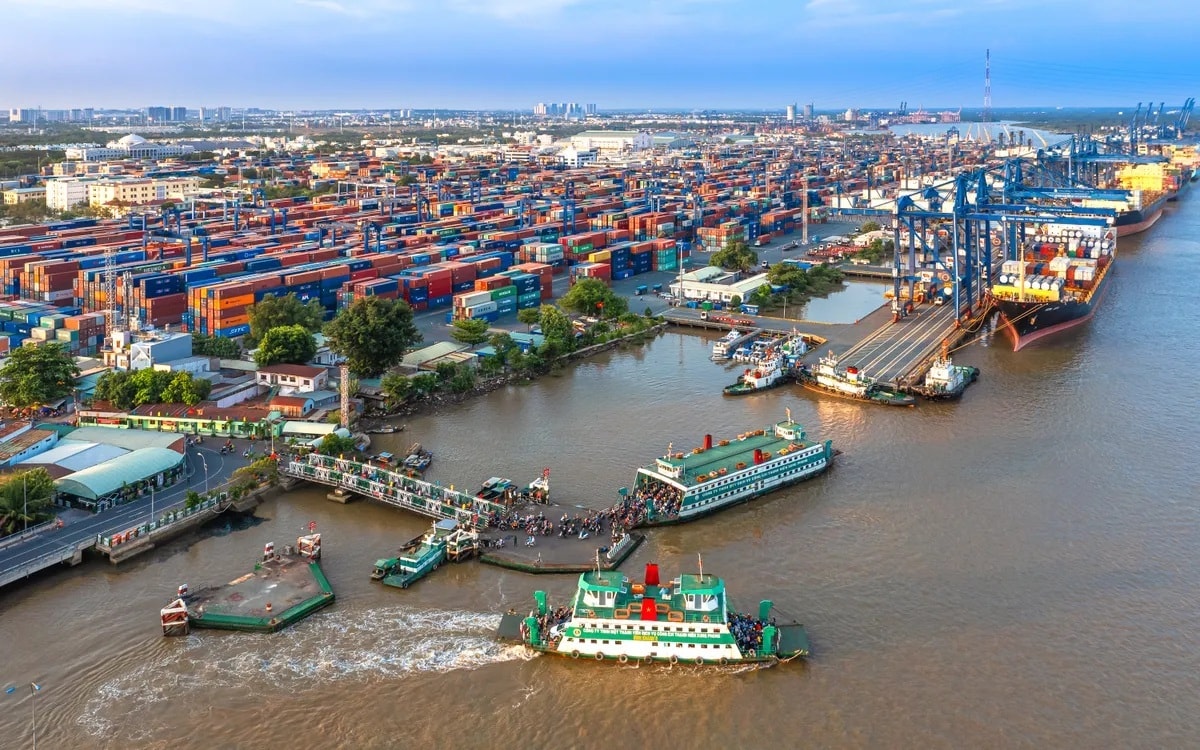
The ranking underscores Vietnam’s growing role in global trade and its steady integration into international supply chains.
The country also maintained a trade surplus of more than $20 billion during 2025, contributing to macroeconomic stability.
Key export sectors included electronics, machinery, textiles, footwear, and wood products, while fruit, vegetables, and seafood recorded a combined export value of $19.8 billion, marking a strong performance for agricultural goods.
Across the region, Asia continued to demonstrate robust export capacity, with 11 economies represented in the WTO’s top 30 list.
Southeast Asia remained a dynamic contributor, with Singapore ranked 14th and Thailand placed 25th, alongside Vietnam.
At the top of the global rankings, China maintained a commanding lead, with exports reaching $3.8 trillion, nearly double that of the United States.
China’s dominance is driven not only by its vast manufacturing base but also by an extensive network of free trade agreements with partners including Australia, Pakistan, South Korea and the Association of Southeast Asian Nations.
This has made China the largest trading partner for more than half of the world’s economies, reinforcing its central role in global commerce across both developed and emerging markets.
Meanwhile, the United States, despite being widely recognized as the world’s largest importer, remains a major exporter, shipping over $2.2 trillion worth of goods.
Its exports span automobiles, petroleum, soybeans, and medical products, with key trading partners including Canada, Mexico, China, Germany and Japan.
Closely integrated supply chains in North America mean that many U.S. exports incorporate components sourced from neighboring economies.
In the automotive sector, for instance, parts may cross borders multiple times during production before a finished vehicle is assembled, highlighting the interconnected nature of modern global trade.
Analysts say sustaining growth will depend on improving productivity, upgrading technology, and increasing value-added production, as global trade faces mounting uncertainties and shifting supply chain dynamics.