Hoi An in 1990s: Rare moments captured by German traveller
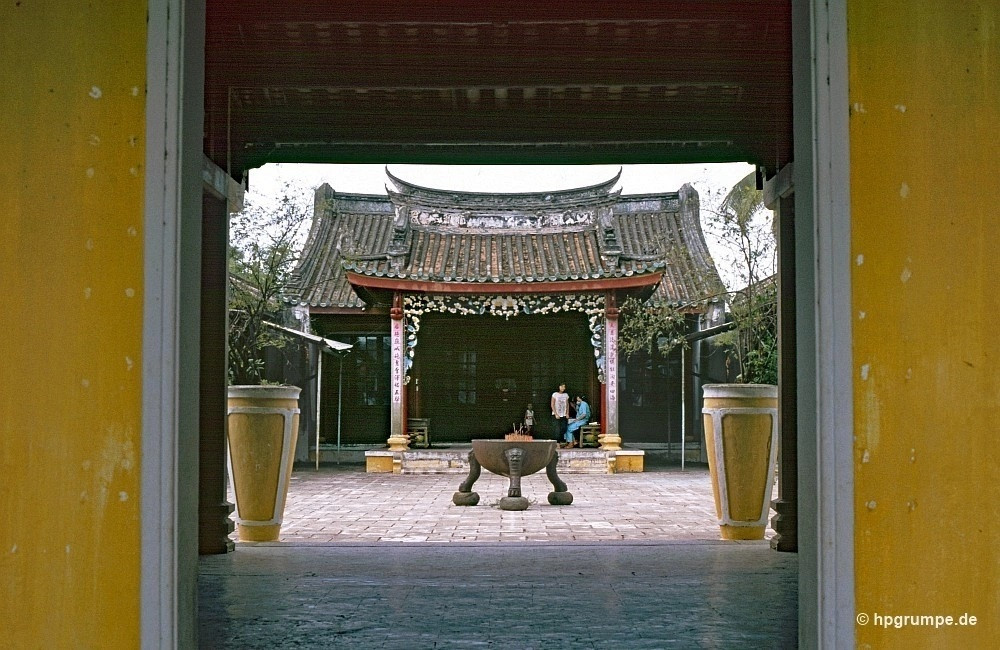
DNO - More than 3 decades ago, Hoi An appeared in the photographs of German traveller Hans-Peter Grumpe as a quiet, almost forgotten town, untouched by mass tourism and defined by a slow, unhurried rhythm of life.

Grumpe arrived in Hoi An in 1991 during his first journey across Vietnam.
He recalled that, 35 years ago, the town saw almost no tourists, despite being listed on the official tourism map since 1985.
The presence of a foreign traveler was enough to draw curious glances from locals.
At that time, bicycles and cyclos were the primary means of transport, while tourism infrastructure such as souvenir shops and public lighting was virtually nonexistent.
Grumpe recalled a quiet, slow-paced atmosphere, where rows of aging houses stood with moss-covered tiled roofs and peeling walls.
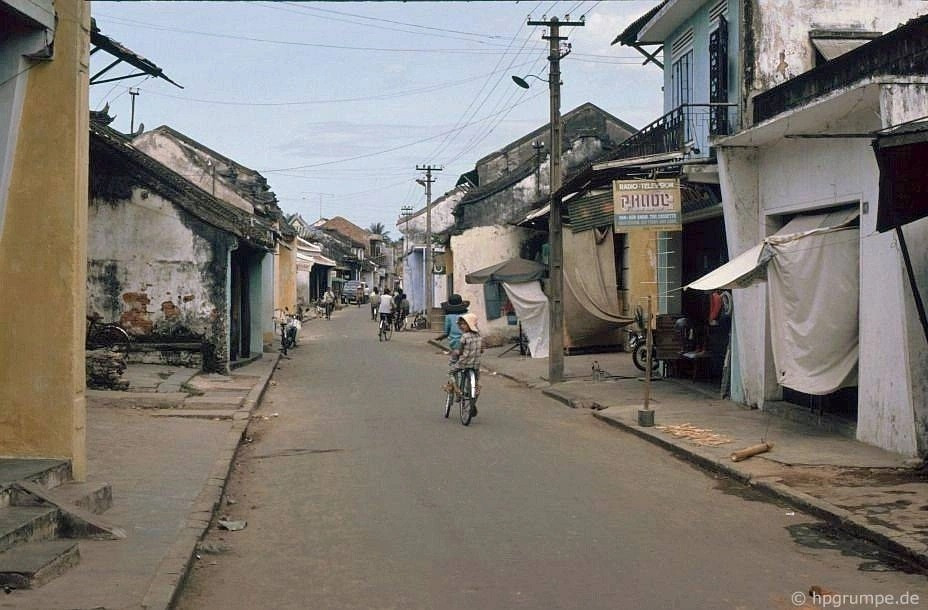
The historic buildings had yet to undergo restoration and were far from the uniform yellow facades that define Hoi An today.
In the early 1990s, many residents considered replacing aging wooden houses with modern concrete structures for convenience.
However, local authorities encouraged conservation and restricting alterations, a decision that would prove pivotal.
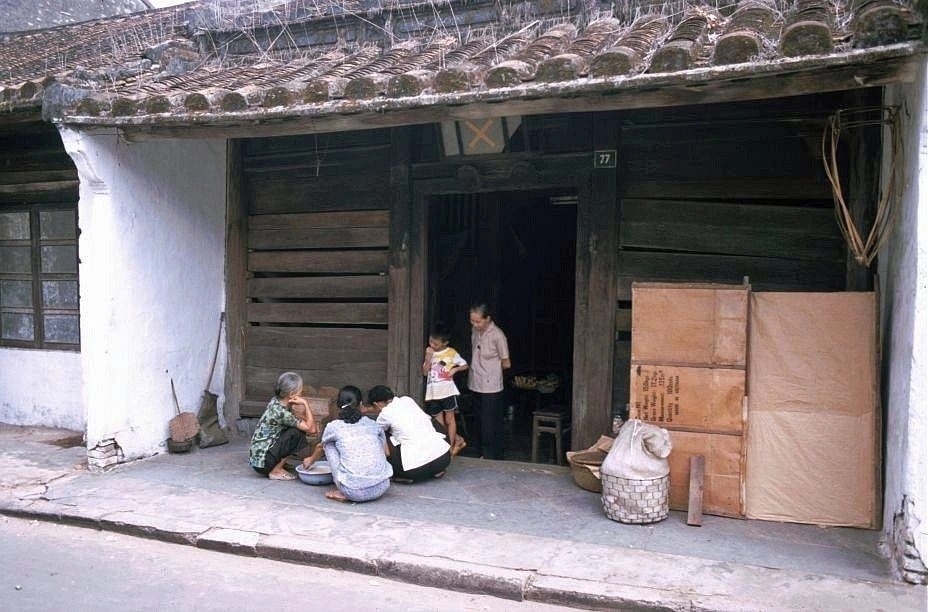
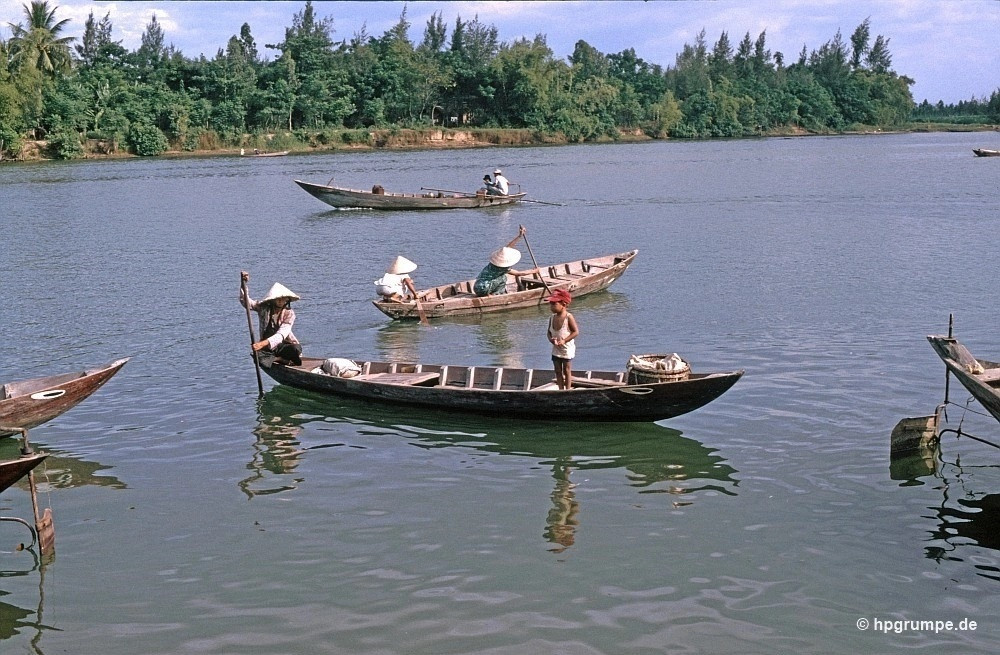
At that time, tourism remained underdeveloped, with local communities relying primarily on agriculture, river fishing along the Thu Bon River, and traditional crafts such as carpentry, blacksmithing for agricultural tools and pottery-making.
That turning point came in 1999, when UNESCO recognised Hoi An as a World Heritage Site.
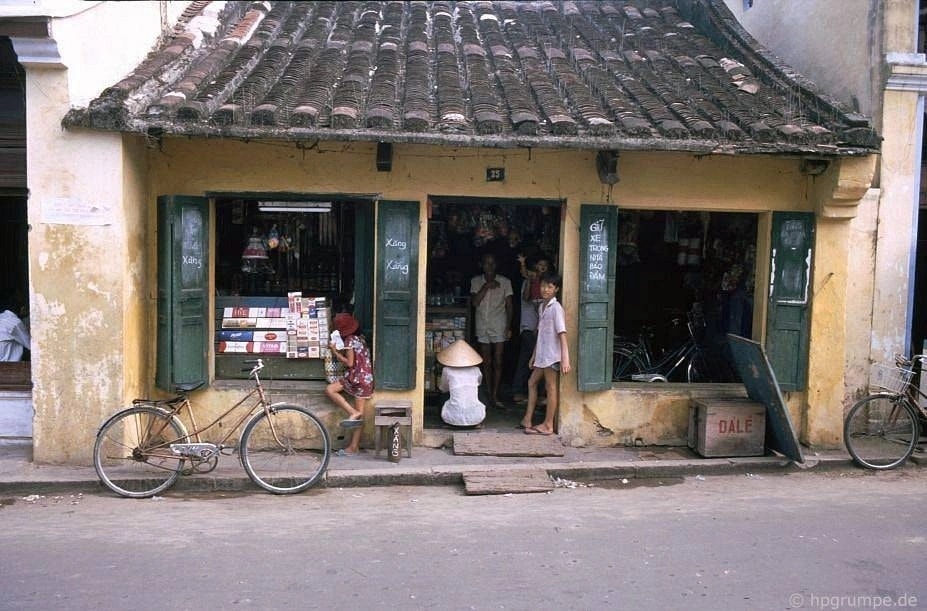
The designation transformed the town’s trajectory, placing it firmly on the global travel map while reinforcing the importance of safeguarding its architectural and cultural identity.
Today, Hoi An is celebrated as one of Vietnam’s most distinctive destinations, often praised for its atmosphere and authenticity.
Yet its success lies not merely in tourism growth, but in a careful balance between preservation and change.
Hoi An has gradually transformed into one of Vietnam’s leading tourist destinations, earning a respected place on the global travel map.
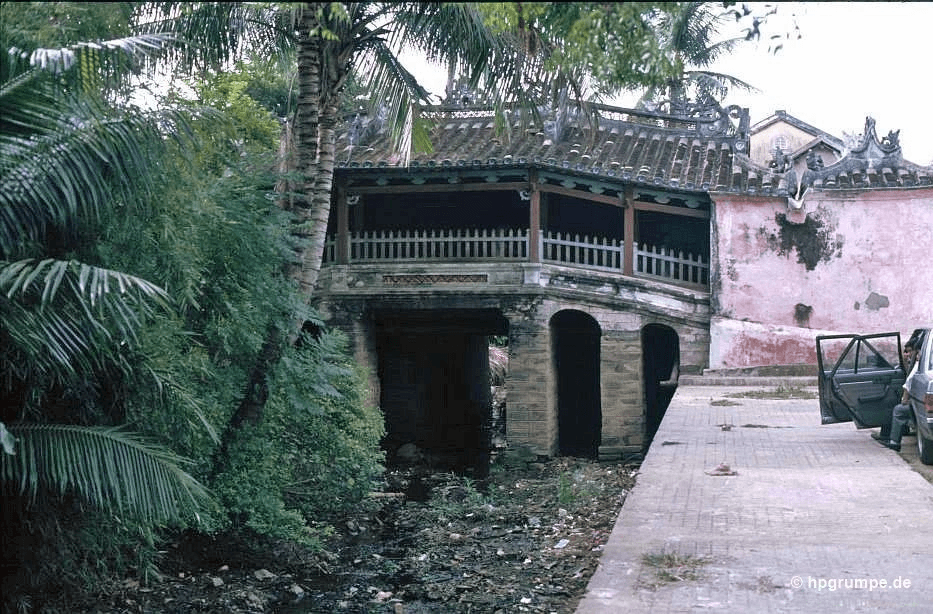
On 1 April, Travel + Leisure Magazine, a leading travel publication in the US, announced its list of “Hidden Gem Cities” - destinations with understated beauty, rich experiences, and strong appeal worldwide.
Hoi An ranked first on the list, affirming the outstanding attractiveness of Hoi An - Da Nang tourism on the global tourism map.

Hoi An’s journey offers a compelling lesson in sustainable development. In an era when many historic cities risk losing their character to rapid modernization, Hoi An demonstrates that heritage, when protected, can become a source of resilience and inspiration.