

Da Nang’s signature eateries: Where local flavors become cultural heritage
DNO - Da Nang boasts a rich culinary scene. Longtime local eateries that every resident knows by heart are increasingly becoming "cultural representatives" in the eyes of visitors at both home and abroad.
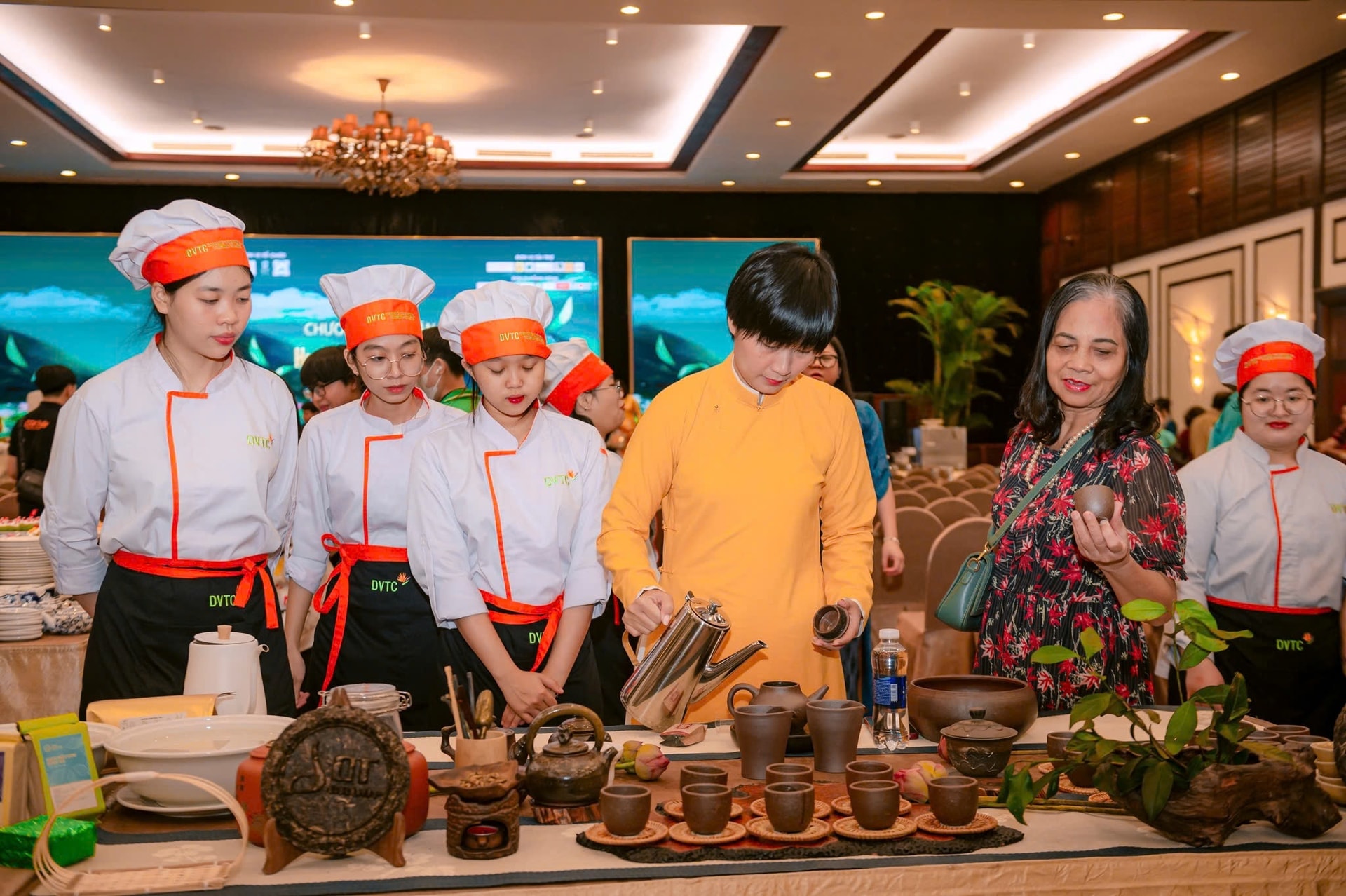
In 2025, Grab Vietnam, in collaboration with the Da Nang Culinary Culture Association, unveiled a list of nearly 70 restaurants and eateries at the “Signature Eateries of Da Nang” awards ceremony. These eateries, mostly tucked away in small alleys, market corners, or along sidewalks, were honored as cultural representatives of the city’s food heritage.
The “Signature Eateries” initiative aims to celebrate local flavors as well as promote local culinary culture both domestically and internationally.
For first-time visitors to Da Nang, discovering these renowned eateries is now easier than ever. With just a few taps on their smartphones, travelers can browse curated lists, explore regional specialties, and even place orders in advance to enjoy upon arrival in the coastal city. This functions as a “digital culinary map” where tradition and technology intersect to create a uniquely immersive experience.
The honored list features many dishes that have become synonymous with Da Nang’s food identity from 'Banh trang cuon thit heo' (pork wrapped in soft rice paper), Quang noodles, ‘bun mam’ (rice noodles with fermented fish sauce), and ‘bun cha ca’ (rice noodles with fish cakes) to casual seafood eateries along the coast.
These establishments have stood the test of time by preserving their distinctive flavors. Some have been operating for decades, with recipes passed down through generations like treasured family heirlooms. Others are relatively new but have quickly earned recognition for capturing the nostalgic taste of the city.
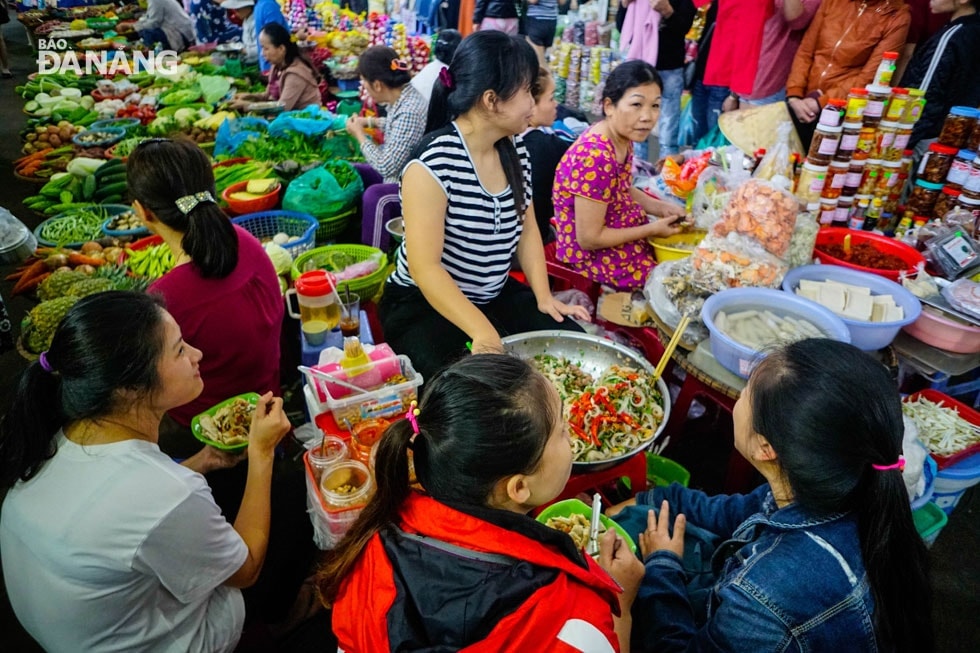
Although Da Nang is often associated with its modern infrastructure, tourism, and services, its culinary culture forms a softer, deeply rooted identity embedded in the lifestyle of its people.
For visitors, the list serves as a reliable guide to exploring the city through taste. For locals, it offers a moment of reflection on their own culinary life. And for the eateries themselves, it is an opportunity to reach new customers, especially during off-peak tourist seasons.
According to Mr. Ly Dinh Quan, Chairman of the Da Nang Culinary Culture Association, each dish tells a story and each eatery is a living heritage. From the hearts of those who cook to those who savor, cuisine acts as a bridge connecting the city’s culture, emotion, and sense of pride.