

Free “street concerts” let visitors try Vietnamese instruments along Bach Dang Street
DNO - On a lively evening along the Bach Dang pedestrian street in Da Nang, the sound of traditional Vietnamese instruments draws curious passersby and delighted tourists into a vibrant cultural experience.
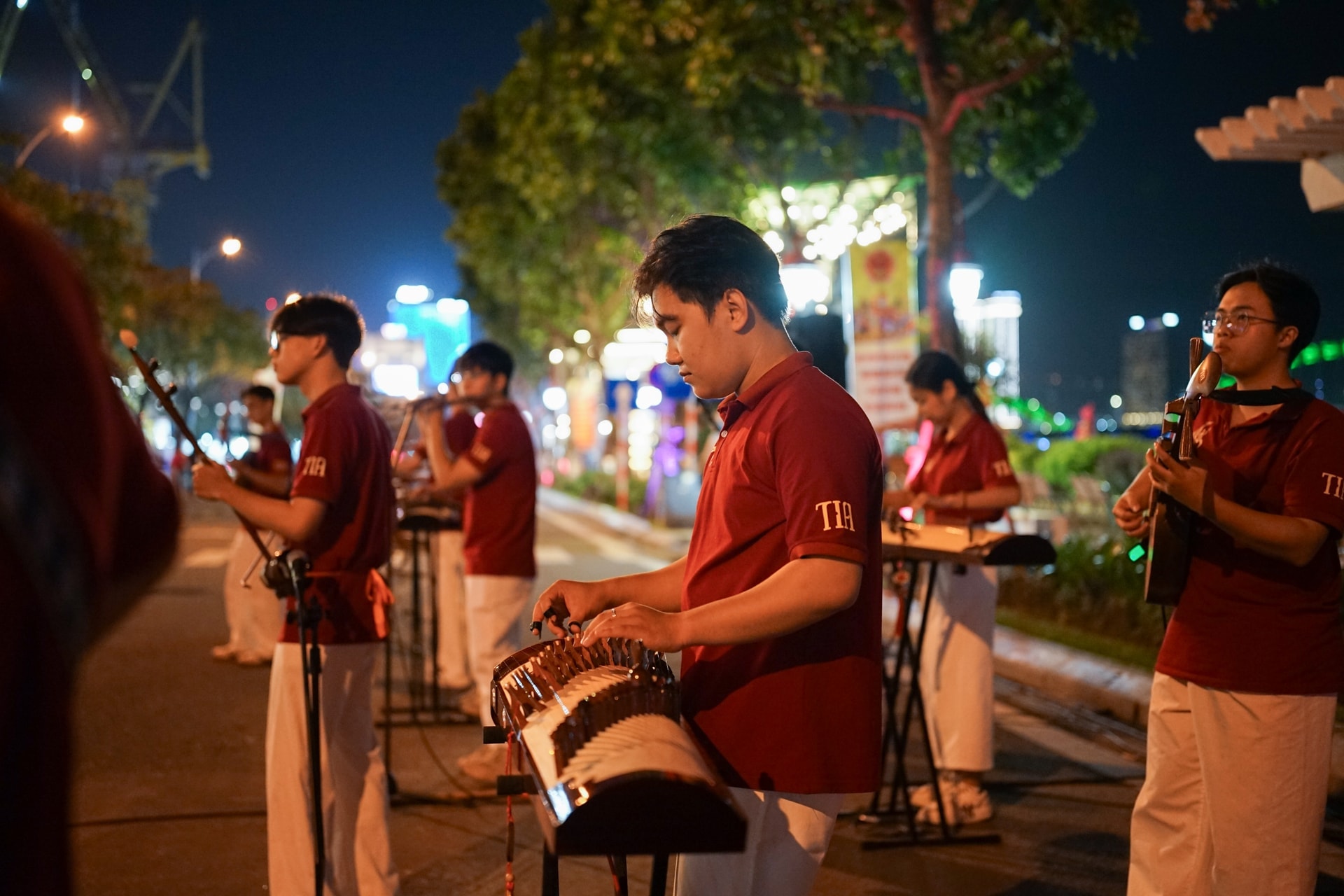
The community music programme titled “Tinh hoa Viet Nam” (Vietnamese Essence), organized by the Traditional Instruments Abide Club (TIA) of the FPT University Da Nang, turned the riverside street into a stage celebrating the beauty of Vietnam’s musical heritage.
The event is a heartfelt effort by young musicians to bring traditional culture closer to the public, especially locals and tourists.
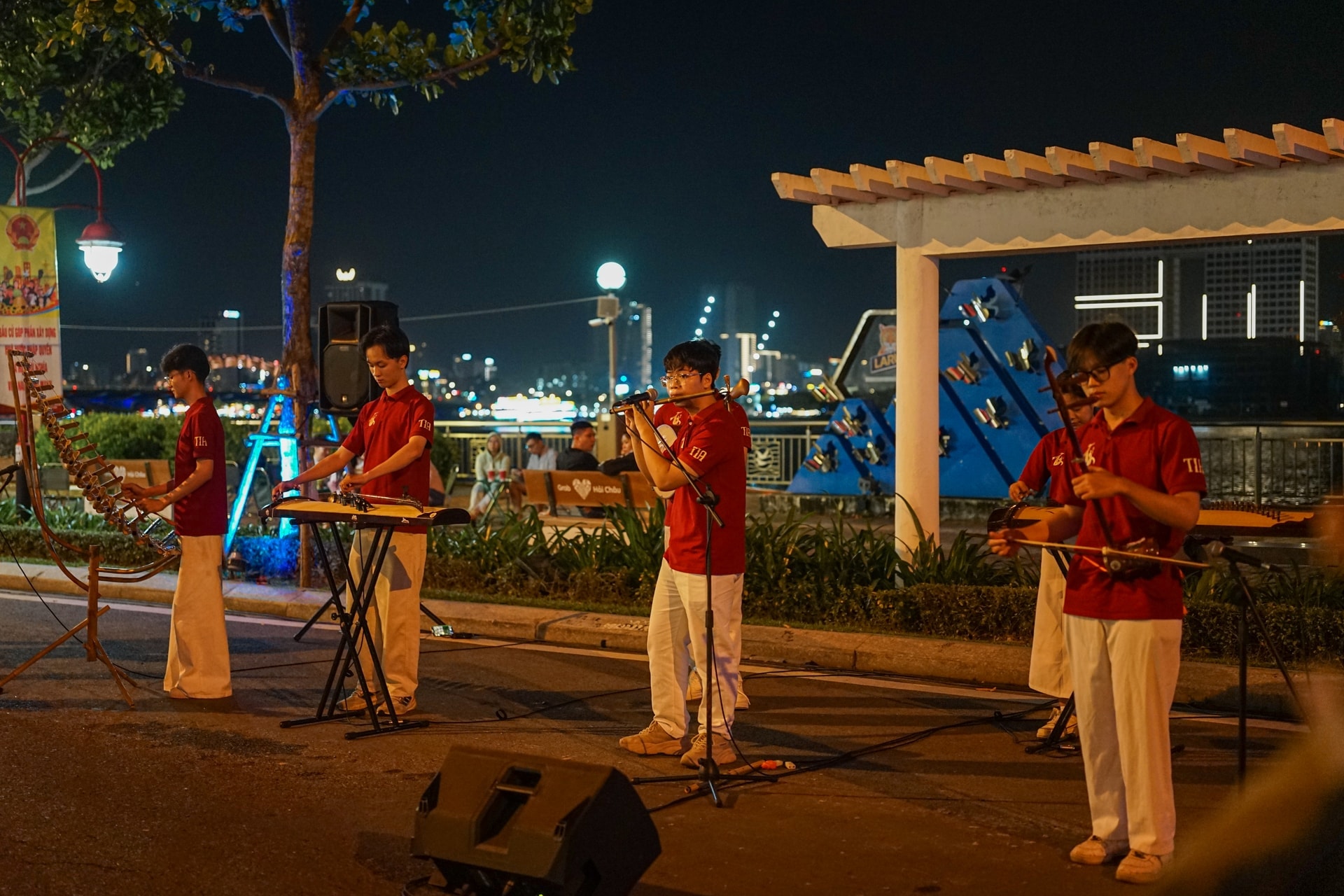
With such traditional Vietnamese instruments as the “dan tranh” (zither), “dan nguyet” (moon lute), “dan ty ba” (pear-shaped lute), “dan nhi” (two-string fiddle), bamboo flute, the students presented a unique musical blend that fused the elegance of traditional sounds with elements of contemporary music.
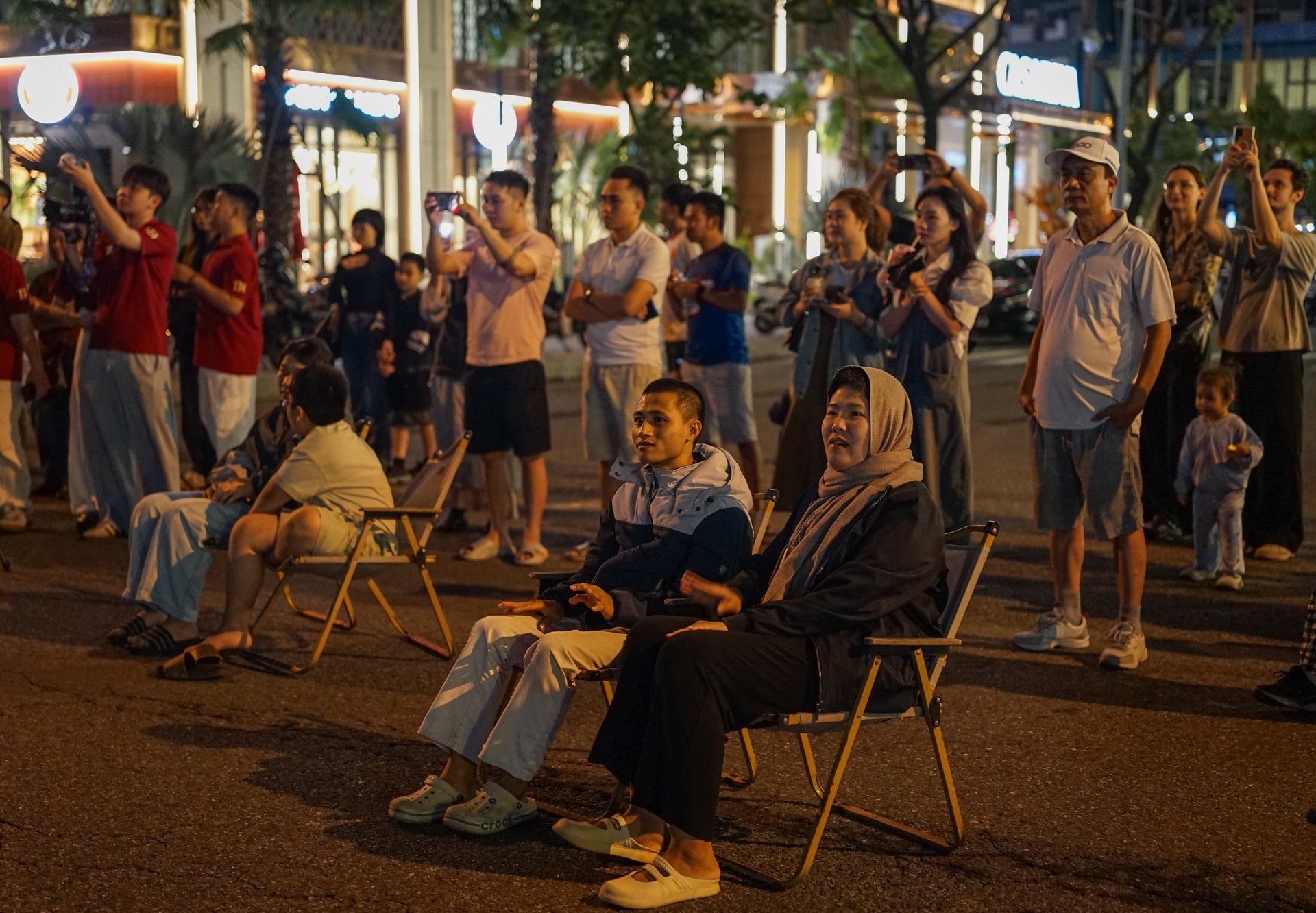
This creative approach immediately captured the attention of both residents and visitors, many of whom paused to listen, film and even join in the experience.
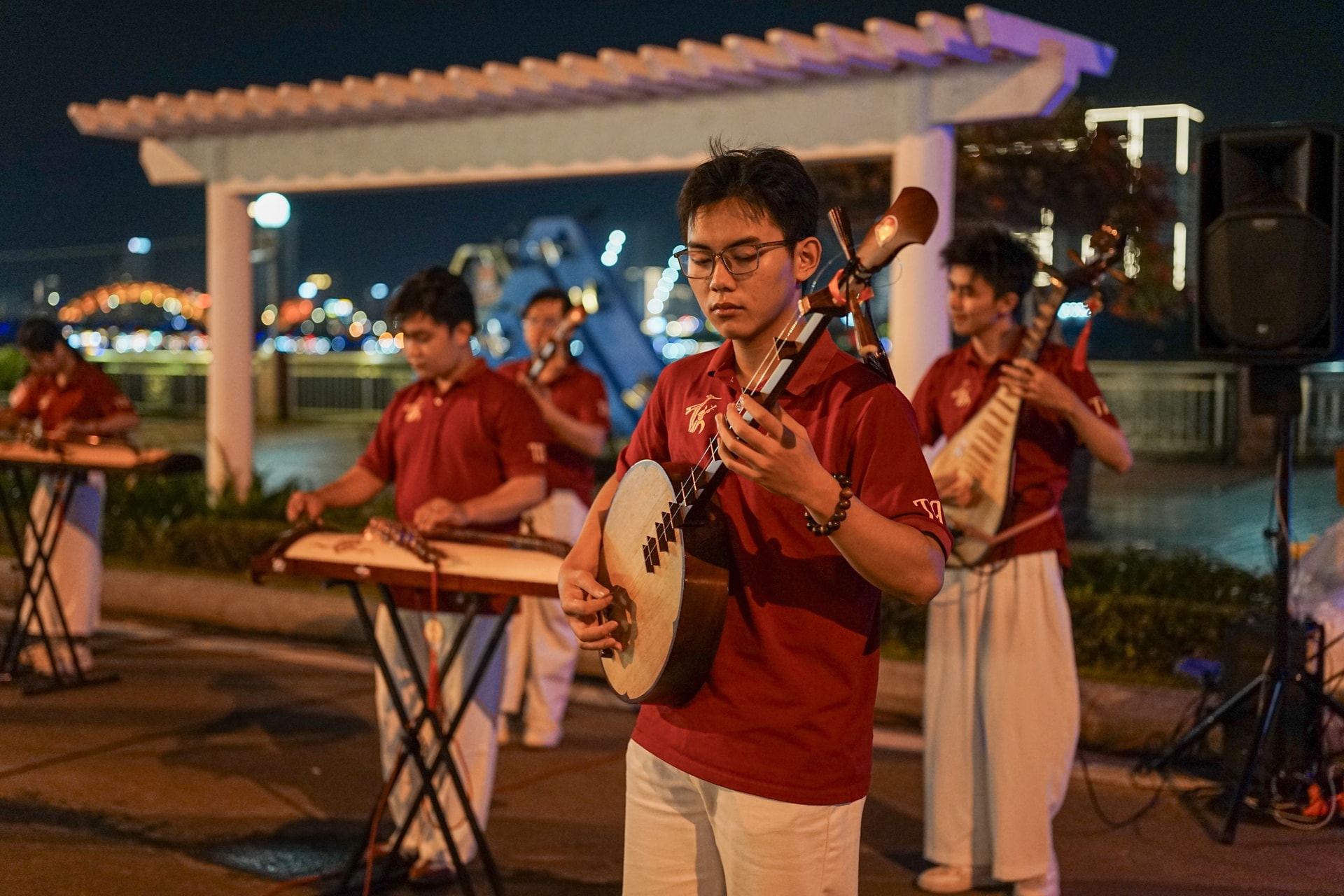
The TIA club was founded in 2022 with the mission of bringing traditional Vietnamese musical instruments closer to the community through performances, experiential workshops, and cultural communication projects.
Today, TIA has more than 100 members who share a deep passion for traditional music, particularly Vietnam’s folk instruments. Most of them are students from FPT University Da Nang.
Within the club, members regularly practice, refine their musical skills, and take part in various performances, creating opportunities to both preserve and promote the rich heritage of Vietnamese traditional music.
Over the years, TIA has organized numerous activities to promote Vietnamese traditional music.
The club has brought performances and workshops to local high schools, played music for residents at the city’s social care center, and participated in international cultural exchange events such as the Vietnam-Korea Cultural Festival and friendship exchanges with Malaysia, the United States and China.
Each event is another opportunity to introduce audiences to the rich soundscape of Vietnamese folk instruments.
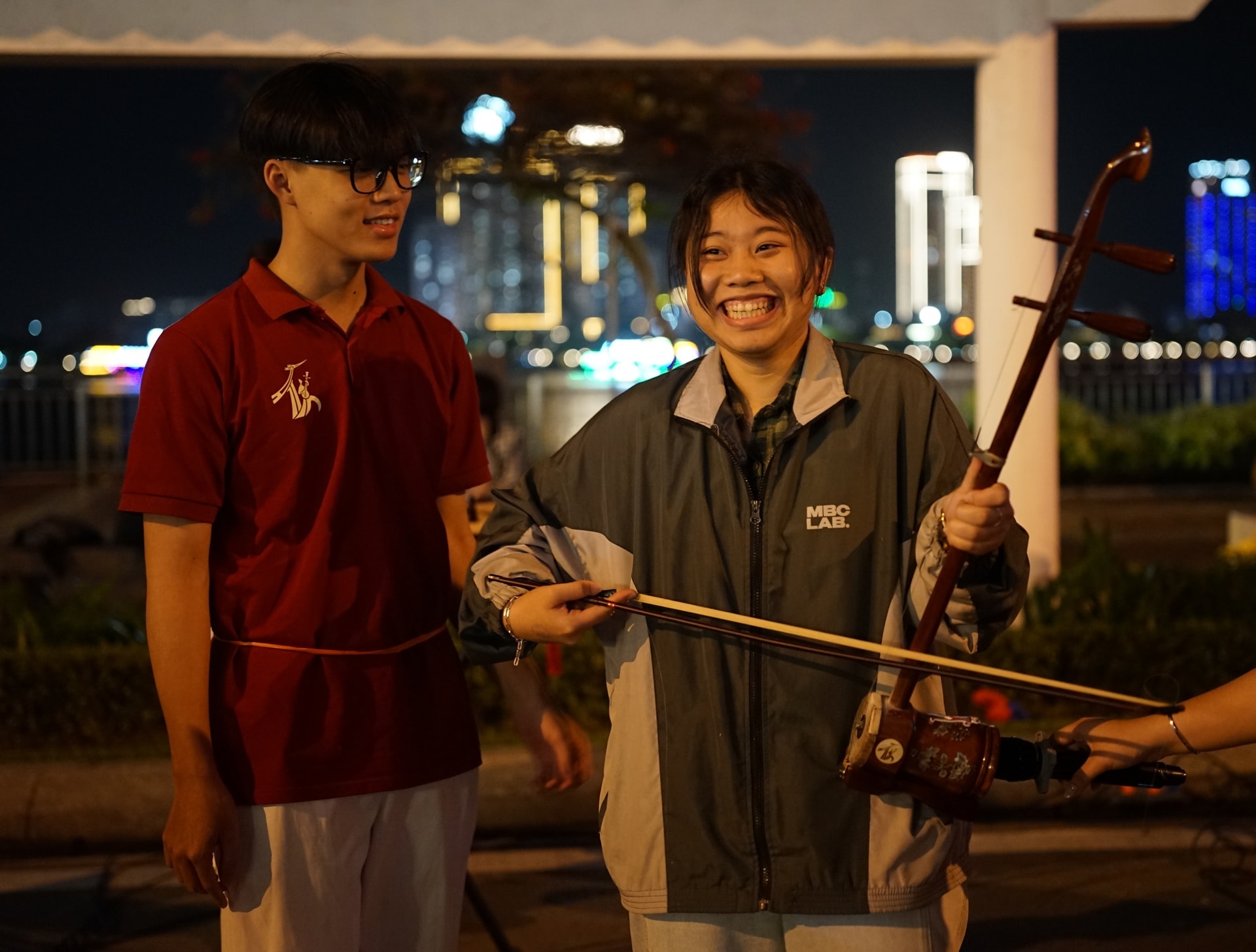
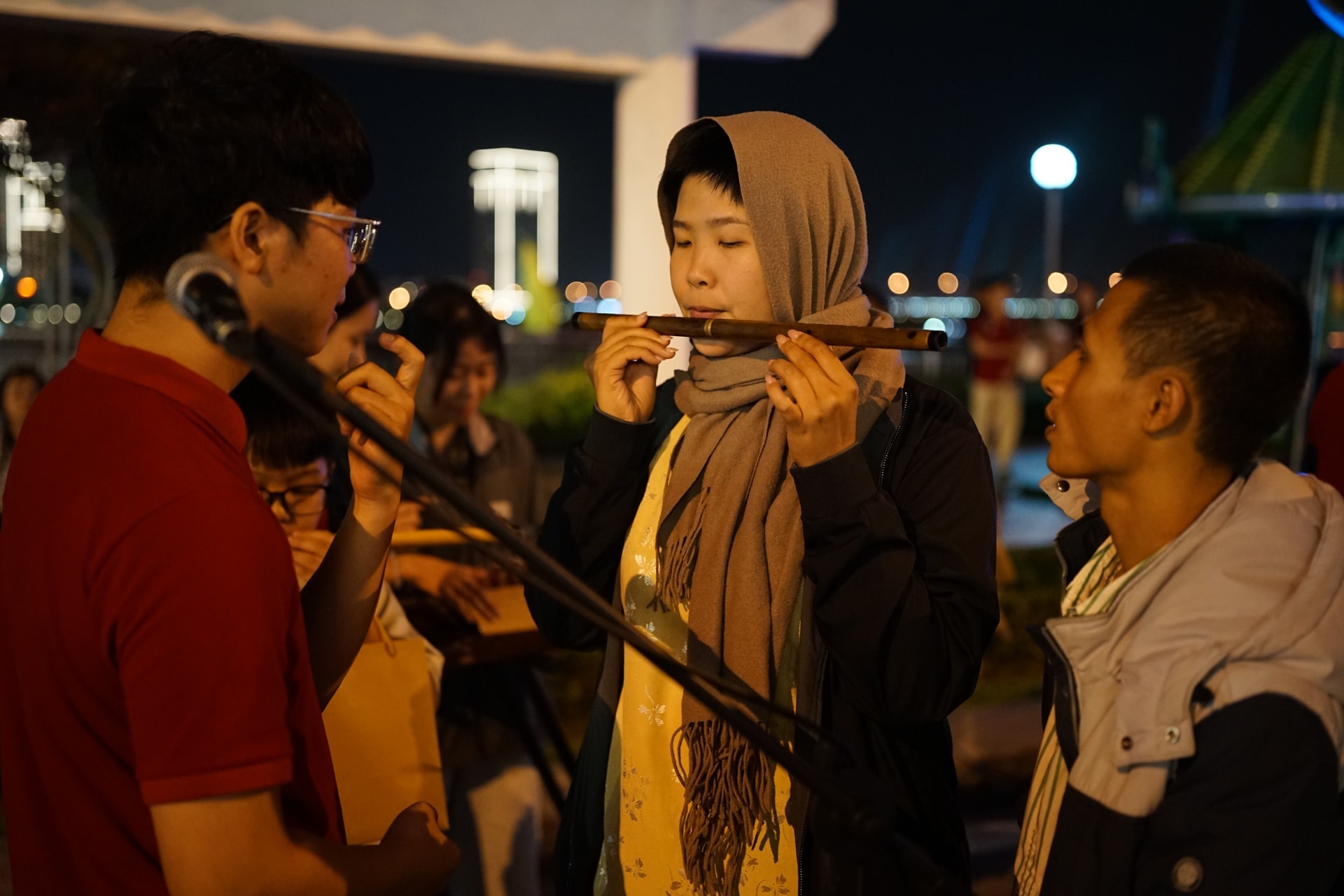
“We are very happy and proud that many tourists, especially international tourists, love and appreciate the traditional Vietnamese street music performances. In the future, we will continue to develop more community activities and projects to affirm our position as young people who love, are passionate about, and continue the cultural values left behind by our ancestors”, said Ha Thi Tuyen, the president of TIA.
It is common to see families stroll along the pedestrian street eagerly try the instruments and participate in music-related games organized by the club.
Such interactions transform traditional music from something distant and formal into a living, breathing part of everyday life.
In fact, music is not only an art form but also a bridge connecting people and inspiring pride in national identity.
The Da Nang students’ initiative demonstrates the creativity and cultural responsibility of a new generation determined to preserve and promote Vietnam’s heritage in innovative ways.