

Da Nang mobilizes resources to develop medicinal herb industry
DNO - With abundant natural resources, especially the "national treasure" Ngoc Linh ginseng, Da Nang is now mobilizing all available resources to develop a modern and sustainable medicinal herb industry. This sector is seen as a new economic spearhead, creating livelihoods for locals and affirming the city’s position on Vietnam’s medicinal herb map.
Leveraging local advantages
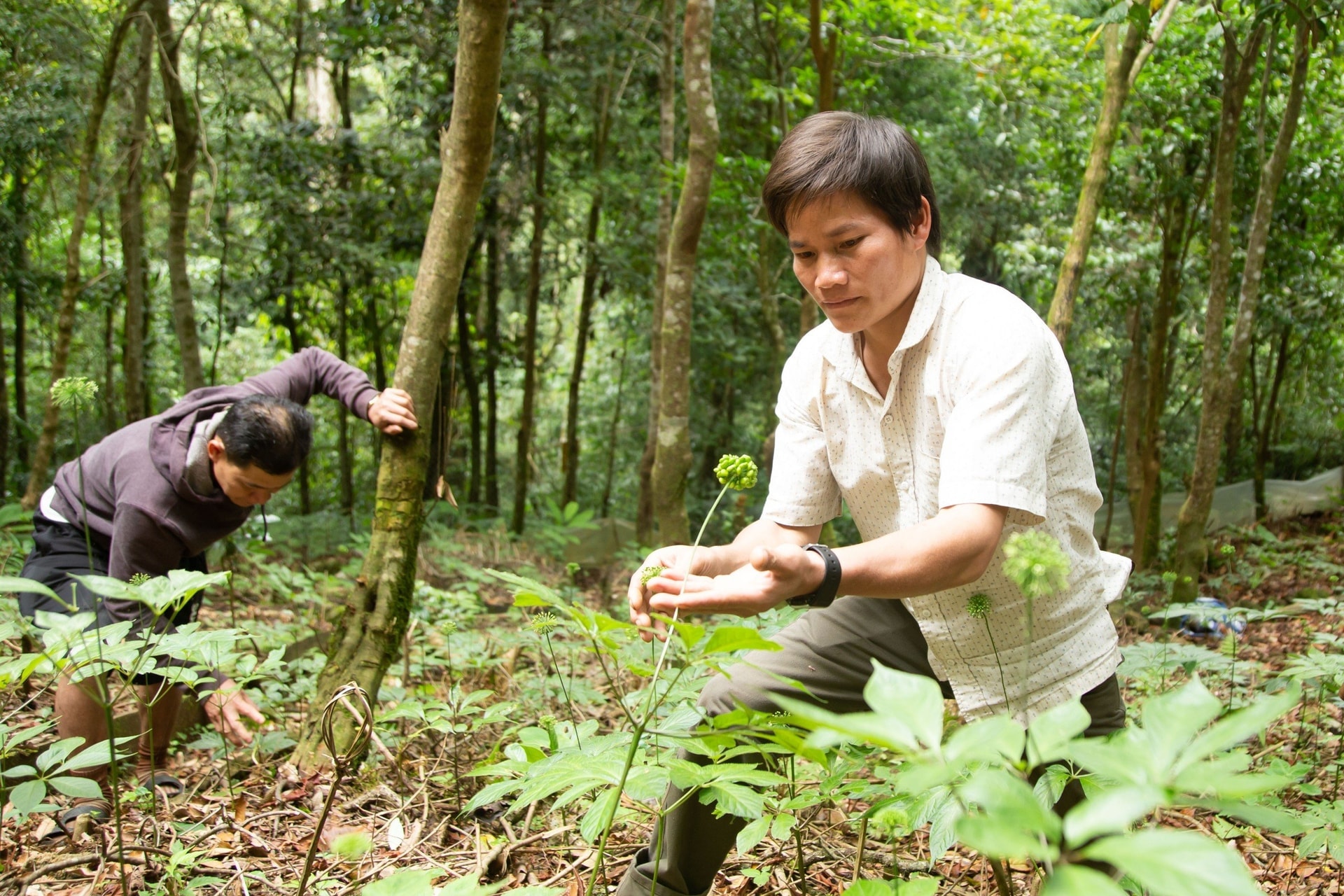
Tra Linh Commune, located in the Ngoc Linh mountain area, boasts unique natural conditions, climate, and soil that are highly suitable for cultivating Ngoc Linh ginseng as well as many other valuable medicinal plants.
The area designated for Ngoc Linh ginseng development in the commune has a total natural forest area of 7,365 hectares. The annual production of Ngoc Linh ginseng reaches approximately 100 tons.
According to Ms. Ho Thi Minh Thuan, Secretary of the Party Committee of Tra Linh Commune, local residents possess rich indigenous knowledge and extensive experience in caring for, conserving genetic resources, and cultivating the rare Ngoc Linh ginseng.
The commune aims to become a key medicinal herb industry center of Da Nang and the Central and Central Highlands regions by 2030, with Ngoc Linh ginseng as its main crop.
To realize this vision, Tra Linh Commune is promoting the establishment of the Bio-Medicinal Plant Industrial Zone in the western side of the city, envisioned as a hub for processing, research, and genetic conservation of Ngoc Linh ginseng and other valuable medicinal plants.
The commune is also focusing on developing high-tech medicinal herb agriculture by building large-scale raw material areas to ensure quality and meet international standards such as GACP-WHO.
Industrialization and deep processing
Da Nang currently possesses rich medicinal plant resources with more than 1,200 species of medicinal plants, including 36 listed in the Vietnam Red Data Book. This provides a significant advantage for developing the medicinal herb sector linked with forest-based economies under the forest canopy in an efficient and sustainable manner.
In particular, Ngoc Linh ginseng has been planned for cultivation on 15,567 hectares, of which about 1,294 hectares have already been planted.
The city has attracted nine enterprises that have committed to investing more than VND 5 trillion in the medicinal herb sector. Among them are major corporations that are surveying and preparing to invest in large-scale cultivation and processing projects.
In addition to Ngoc Linh ginseng, other key medicinal plants such as Tra My cinnamon, dinh lang (Polyscias fruticosa), sa nhan (Amomum), and ba kich (Morinda officinalis) are also expanding their cultivation areas.
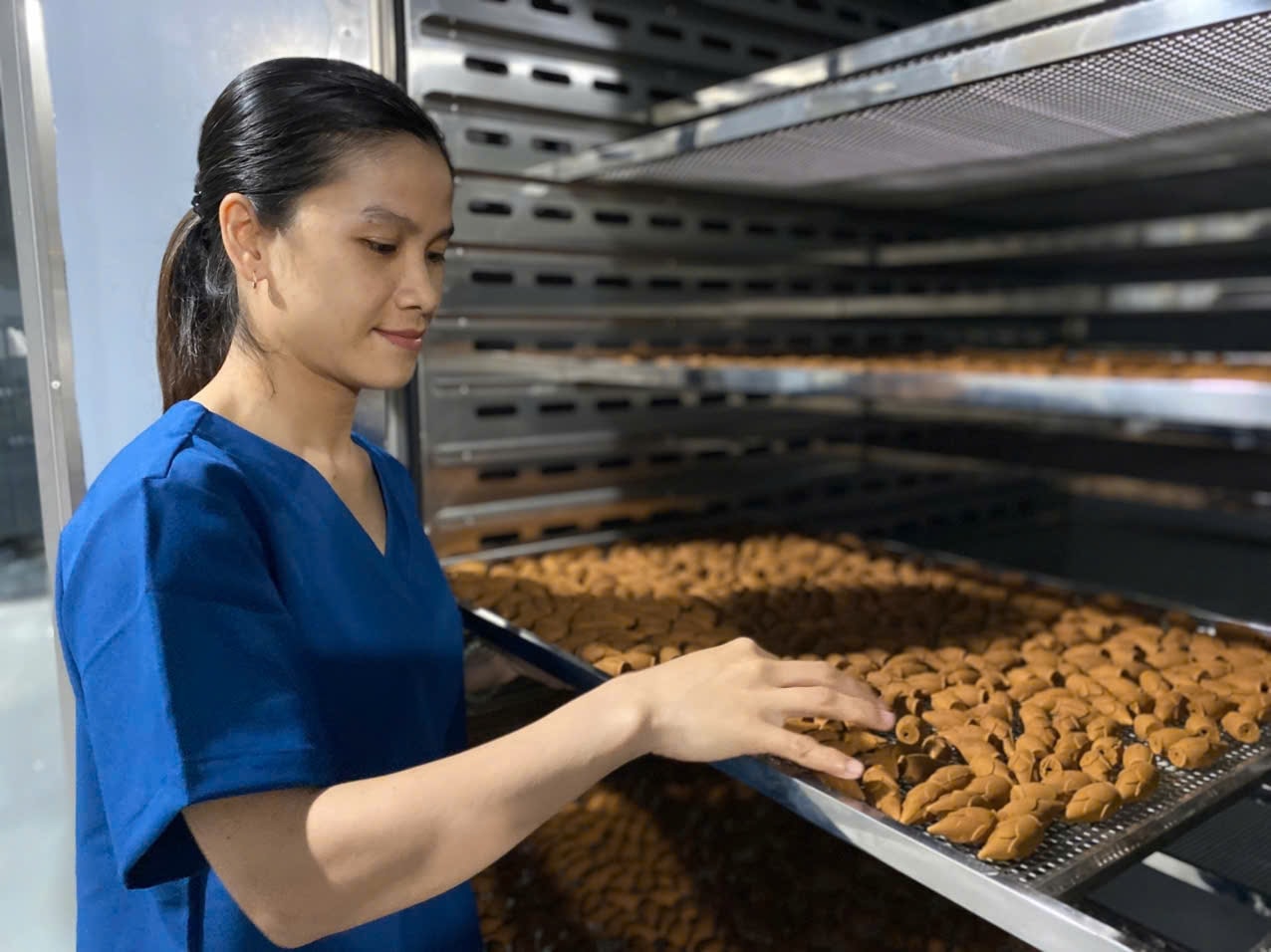
Currently, more than 10 enterprises, along with numerous cooperatives and household businesses, are involved in medicinal herb processing, producing around 350 tons annually and gradually forming linkages in production, processing, and consumption.
Organic medicinal herb cultivation models are also being piloted, targeting both domestic and export markets.
Meanwhile, efforts to conserve indigenous genetic resources in Nam Tra My, Dong Giang, and Tay Giang are being prioritized, contributing to biodiversity protection while improving local livelihoods.
Although the medicinal herb value chain remains incomplete, coordinated efforts and valuable natural resources are helping the sector gradually emerge as one of the city’s key economic sectors, contributing to sustainable development in the new period.