

Da Nang approves 2021 - 2030 master plan with vision to 2050
DNO - The Da Nang People’s Council has issued Resolution No. 06/NQ-HĐND, approving adjustments to the city’s development master plan for the 2021 - 2030 period, with a vision to 2050.
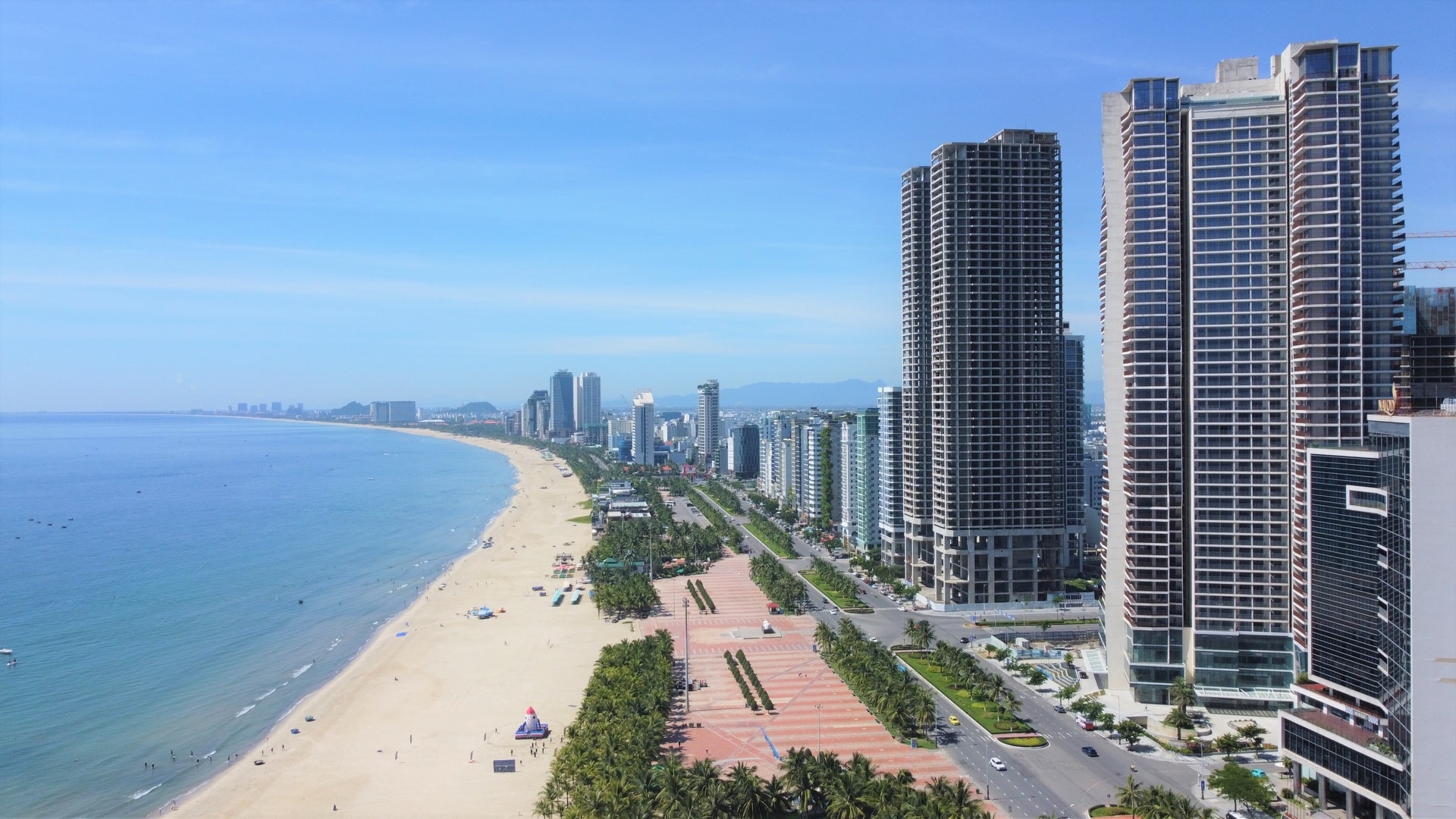
Under the resolution, Da Nang commits to rapid and sustainable development driven by science, technology, innovation, and digital transformation. The city also pledges to promote a green and circular economy, targeting net-zero emissions by 2050.
Da Nang aims for average annual GRDP (gross regional domestic product) growth of 11 - 12% during the 2026 - 2030 period, with GRDP per capita exceeding USD 8,500.
Total social investment is expected to grow 14 - 15% per year, while state budget revenue will increase by about 10% annually and export turnover by 10 - 12%. Total factor productivity is projected to contribute over 55% of growth, with the digital economy accounting for 35 - 40% of GRDP.
The city’s population is expected to reach about 3.1 million by 2030, with an urbanisation rate of 66.5%. Average housing space is projected to exceed 32m² per person, and 75.7% of communes are expected to meet national new rural development standards.
By 2050, Da Nang aims to become an ecological, smart, and highly liveable city of regional stature in Asia, while developing into an international financial centre and a hub for high-tech industry, innovation, logistics, and tourism.
The city’s development will be organised into three zones: the eastern coastal industrial-urban-service zone as the core economic hub; the western mountainous agricultural-forestry zone focusing on forest conservation and medicinal plants such as Ngoc Linh ginseng; and the marine-island zone promoting maritime economic development.
Three growth clusters are also planned: the northern cluster (Da Nang - Hoi An - Dien Ban), the north-south linkage cluster (Nam Hoi An), and the southern cluster associated with Chu Lai - Tam Ky - Nui Thanh.
The resolution prioritises key sectors including tourism, trade and finance, high-tech industry, and the marine economy. Plans include developing a free trade zone, establishing an international financial centre, promoting industries such as semiconductors and artificial intelligence, and building Lien Chieu Port.
Da Nang will also invest in major transport systems and infrastructure, including upgrades to Da Nang and Chu Lai international airports, new MRT (mass rapid transit) and LRT (light rail transit) lines, and the conversion of Tien Sa Port into a tourism port.
The plan also focuses on quality of life, aiming to restore all historical relic sites, ensure clean water access, and develop the city as a regional hub for high-quality education, healthcare, and medical tourism.