

Da Nang develops sustainable tourism based on cultural heritage values
DNO - Amid the growing trend toward sustainable tourism, Da Nang has identified the original values embedded in traditional culture, reflected in festivals and community life, as the guiding principle for developing distinctive and appealing tourism products.
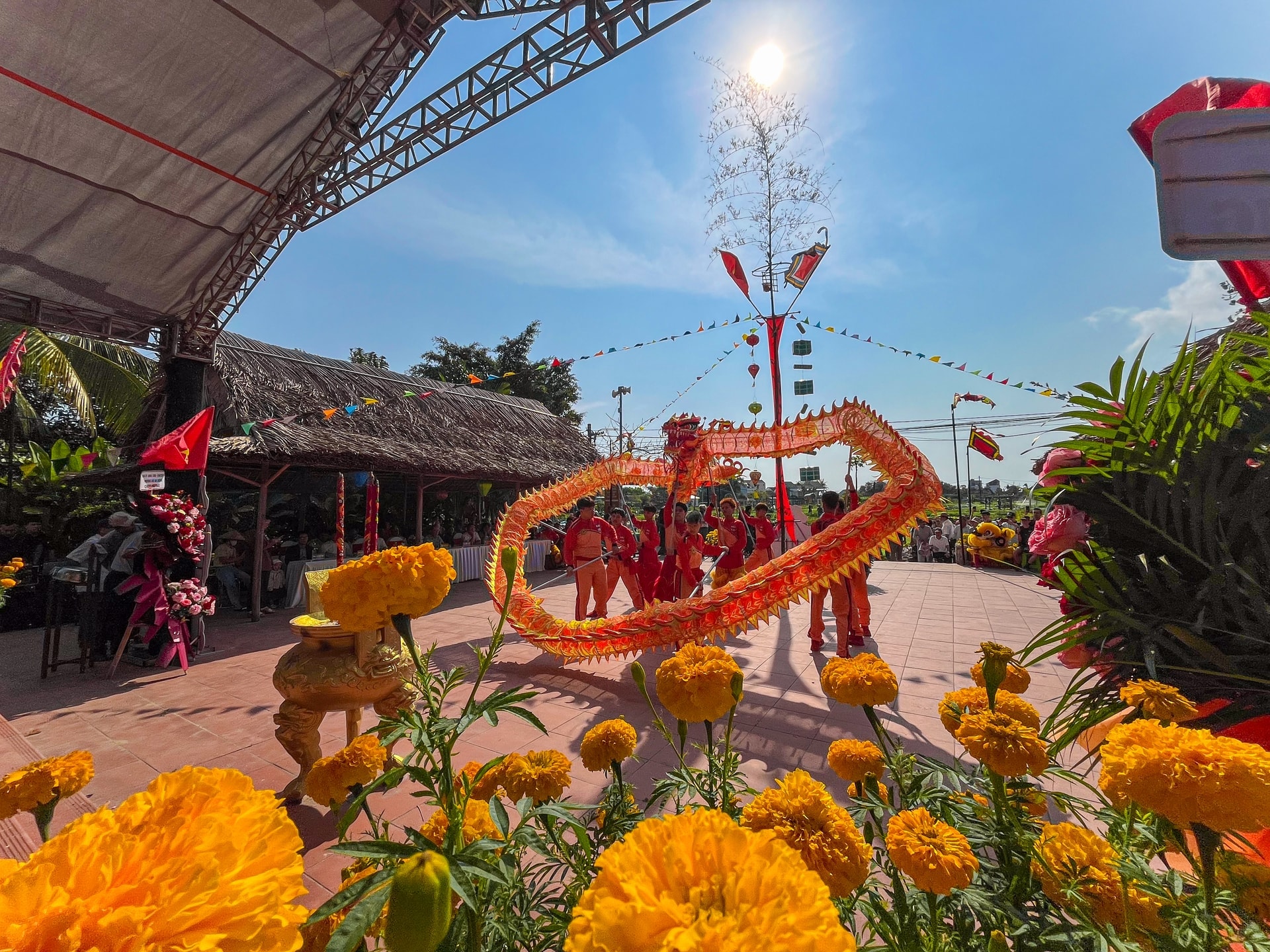
According to the municipal Department of Culture, Sports and Tourism, early spring cultural and festival activities celebrating the traditional Lunar New Year (Tet) not only honor traditional customs but also reaffirm Da Nang’s position as a safe and friendly destination.
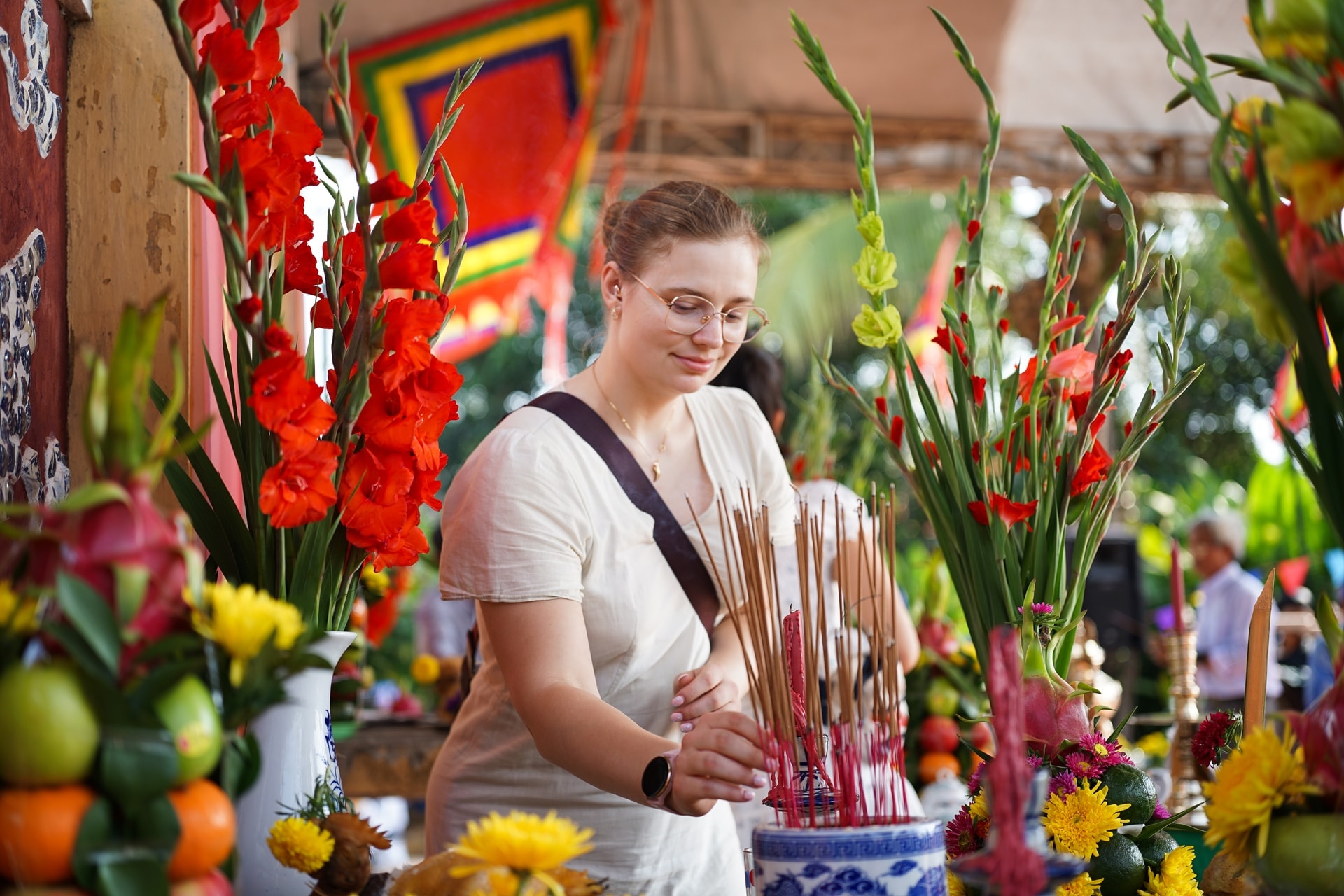
Present at the Cau Bong Festival in Tra Que Vegetable Village, Hoi An Tay Ward, on February 23 (the seventh day of the Lunar New Year), Ms. Alma Kolberg, a visitor from Norway, shared her excitement at trying her hand at planting and watering vegetables using traditional shoulder poles.
She also enjoyed local specialties such as 'banh xeo' (Vietnamese sizzling pancakes), 'tam huu' (a trio of pork, shrimp and herbs), and 'cao lau' noodles, while witnessing firsthand how local residents express gratitude to heaven and ancestors and pray for favorable weather in the year ahead.
Along with Alma, Mr. Crayg Hilts from Canada said he had long hoped to experience Tet in Vietnam and explore its distinctive cultural traditions.
“I learned about the Cau Bong Festival and truly wanted to understand it. It is a vibrant, deeply traditional space that feels authentically Vietnamese” he noted.
According to Mr. Phan Xuan Thanh, Vice Chairman of the Da Nang Tourism Association, the cultural activities and traditional festivals at the beginning of the lunar new year bring fresh energy to the local tourism sector, providing new vitality for a promising Lunar New Year of the Horse.
Hoi An Tay Ward holds particular advantages in community-based tourism, with a rich ecosystem of traditional craft villages such as Tra Que Vegetable Village, Thanh Ha Pottery Village, Cam Ha kumquat growing area and Cui Lu Village. These assets provide a foundation for advancing green and sustainable tourism from 2026 onward.
To the north, the former Hoa Bac Commune, now part of Hai Van Ward, is often described as a “hidden gem” featuring Co Tu cultural spaces in Ta Lang and Gian Bi, the scenic Cu De River and a distinctive rural lifestyle.
Hai Van Ward authorities have placed Co Tu culture at the heart of community tourism development, supporting local entrepreneurship and building a team of community-based tour guides.
From ‘tung tung da da’ dances and gong performances to brocade weaving and signature dishes such as Tra Que vegetables and mi Quang noodles, traditional values are regarded as the compass for green and sustainable tourism strategies. The city aims to diversify its tourism products based on cultural identity while balancing traditional and modern spaces to attract varied market segments in a bid to ensure flexible and long-term growth.