

When young people “touch” cultural heritage
DNO - Preserving heritage is like tending an ancient tree: elders guard the roots, while the young nurture it to bloom with the spirit of the times
Preservation and appreciation
Vietnamese youth are increasingly engaged in preserving and reinterpreting cultural heritage through research, hands-on activities, digital storytelling and the fusion of tradition with modern technology, helping to revive values once at risk of being forgotten.
Vietnam has over 41,000 historical and scenic sites, including more than 4,000 national monuments and about 9,000 provincial ones, alongside thousands of intangible heritage elements, 248 of which are nationally recognised.
As heritage becomes both a cultural resource and soft power, young people are emerging as a key creative force.
Groups such as Den Mieu Viet and Dinh Lang Viet document temples and communal houses while advocating restoration, often promoting traditional attire and village architecture, while SEN Heritage (a network of young researchers and designers) works with experts to rekindle public interest in endangered heritage.
Heritage in contemporary life
Young innovators are integrating heritage into modern life through technology, design and media.
In Da Nang, the project on digitalising the Cham Towers, specifically the My Son Sanctuary and Bang An Tower, create digital replicas for research and restoration.
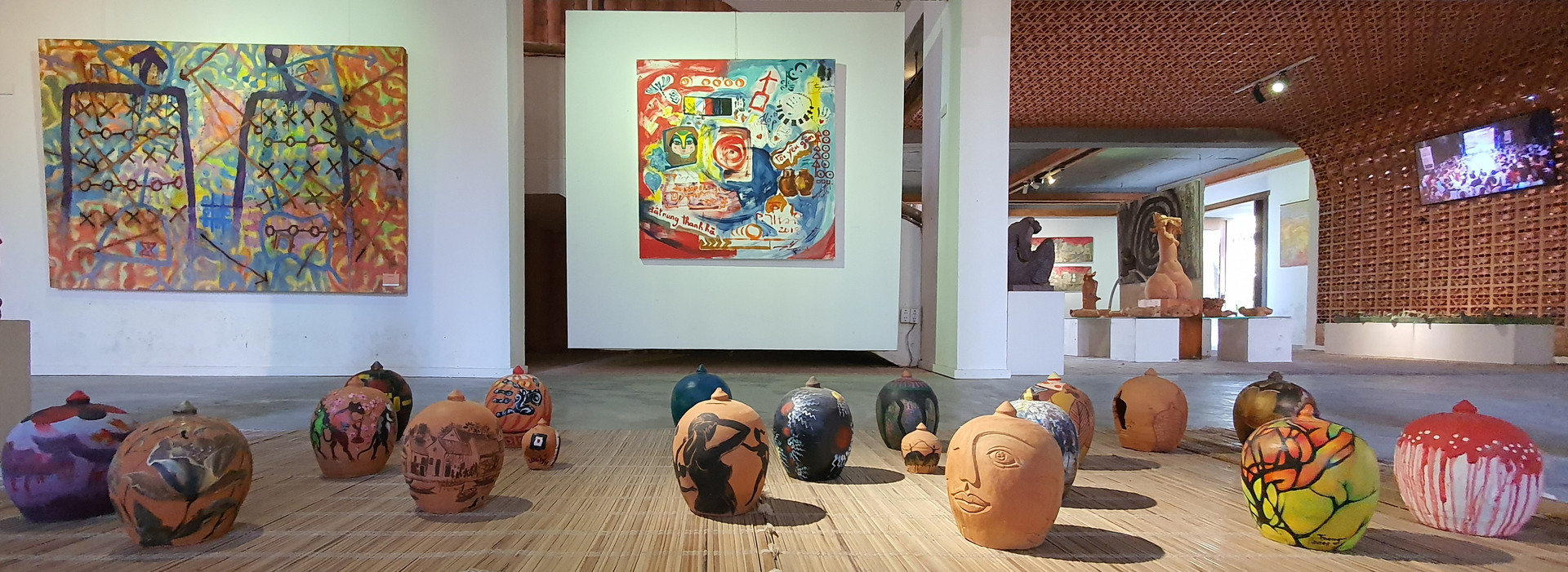
Besides, initiatives aimed at reviving Thanh Ha Pottery Village enhance local income and encourage young people to remain in their hometowns.
In Ho Chi Minh City, the Tan Man Kien Truc group has published over 2,000 bilingual articles on architectural heritage, especially Nguyen-era and French-colonial buildings.
Across the country, creators use social media, fashion, souvenirs and films to promote traditional culture. Meanwhile, training programmes and volunteer activities attract thousands and open new careers in cultural and creative industries.
These efforts show a shift in mindset: preservation now means keeping heritage alive, not unchanged. By engaging youth, heritage gains new energy, protecting identity while adapting to modern life and spreading appreciation across communities.