

THACO: Industrial giant drives Da Nang’s growth
DNO - Da Nang-based THACO today is no longer merely an automotive manufacturer; it has transformed into a diversified industrial powerhouse, driving innovation, exports and economic growth while shaping the future of Central Viet Nam’s modern industrial landscape.
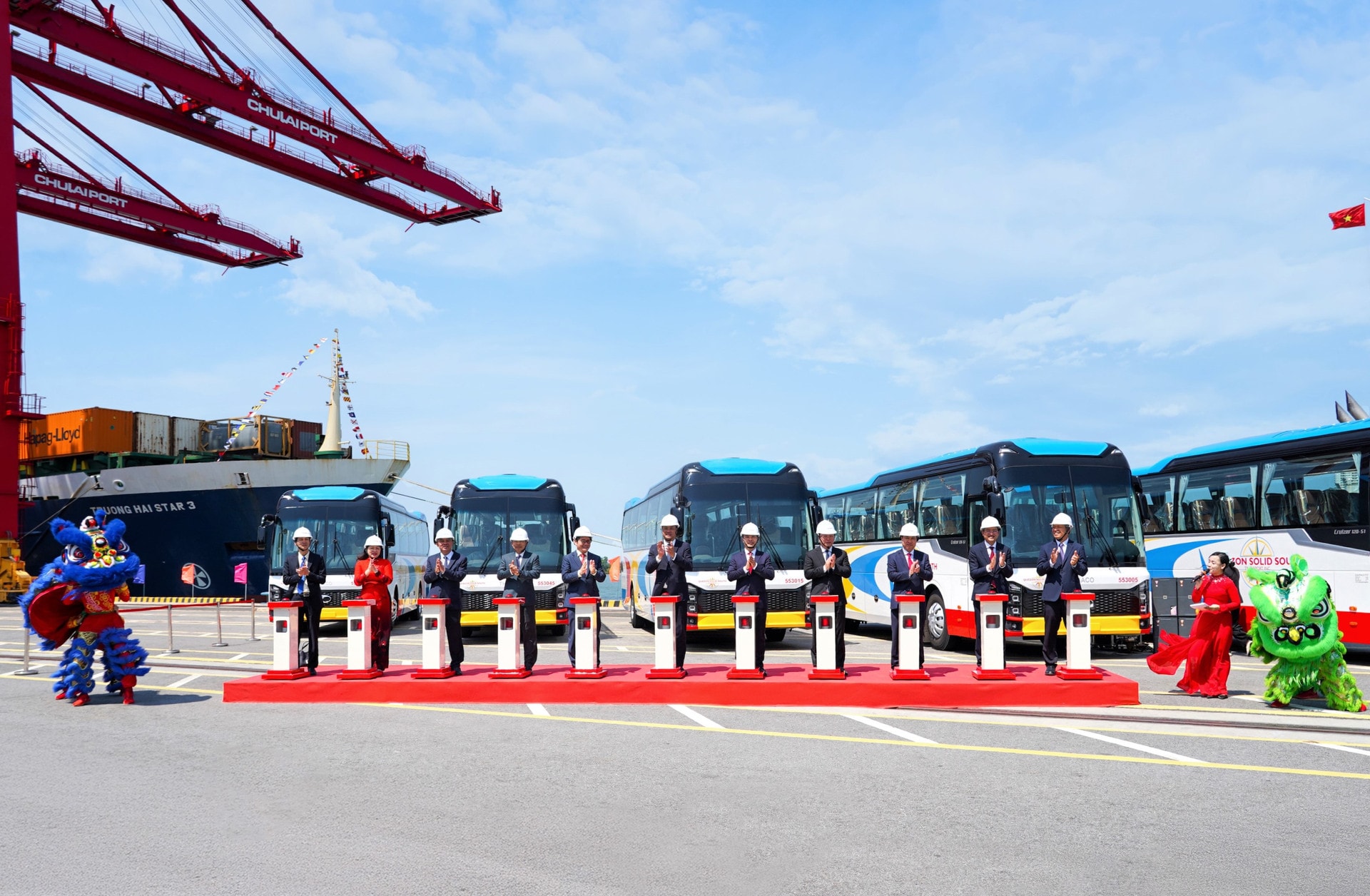
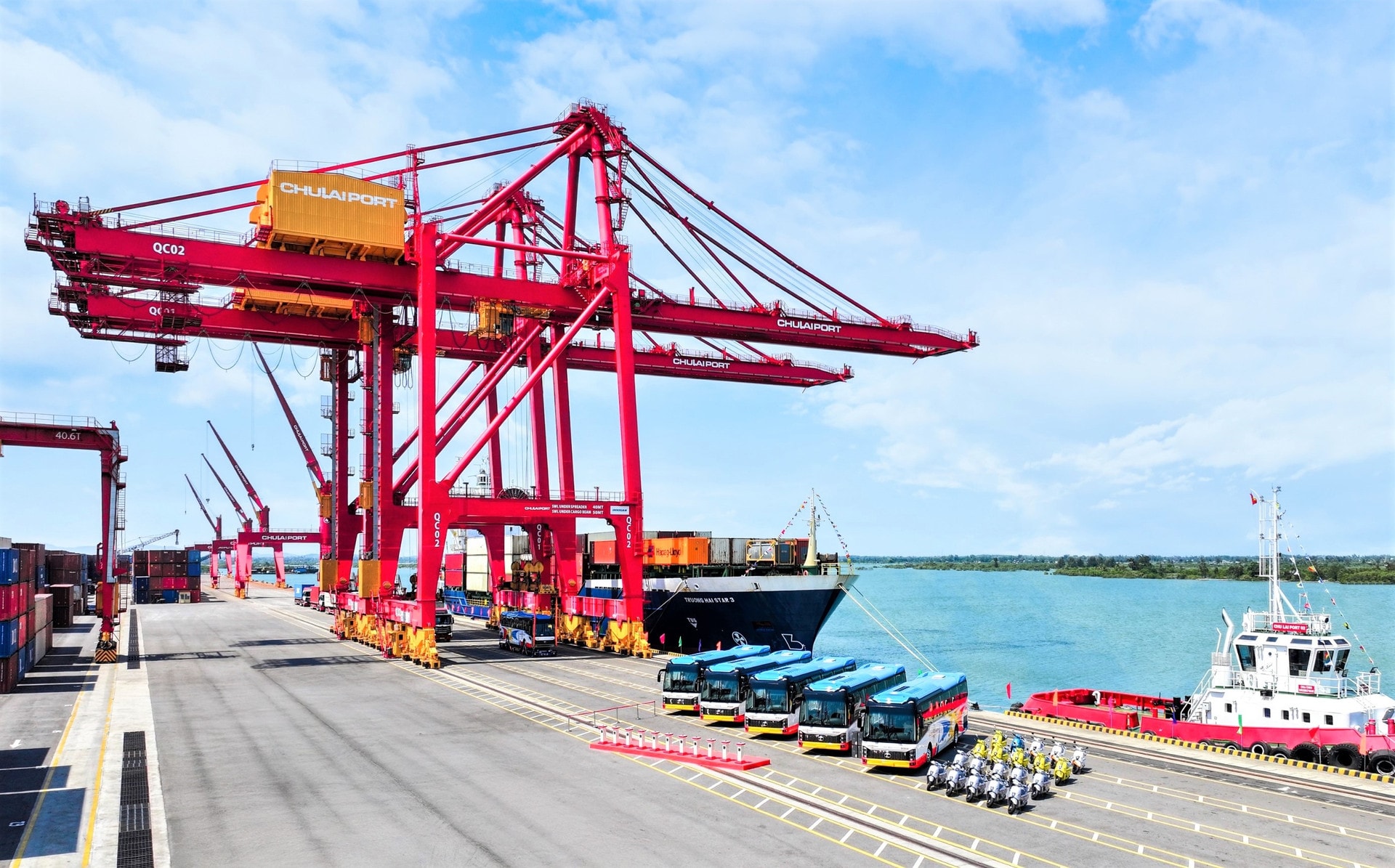
Along with the simultaneous inauguration of factories manufacturing household equipment, specialized machinery and automotive interiors, THACO has initiated the export of nearly 500 containers of goods from its member corporations and central region enterprises via the Chu Lai International Port to global markets.
This large-scale shipment signals not only expanded production capacity but also the growing integration of central Viet Nam into global supply chains.
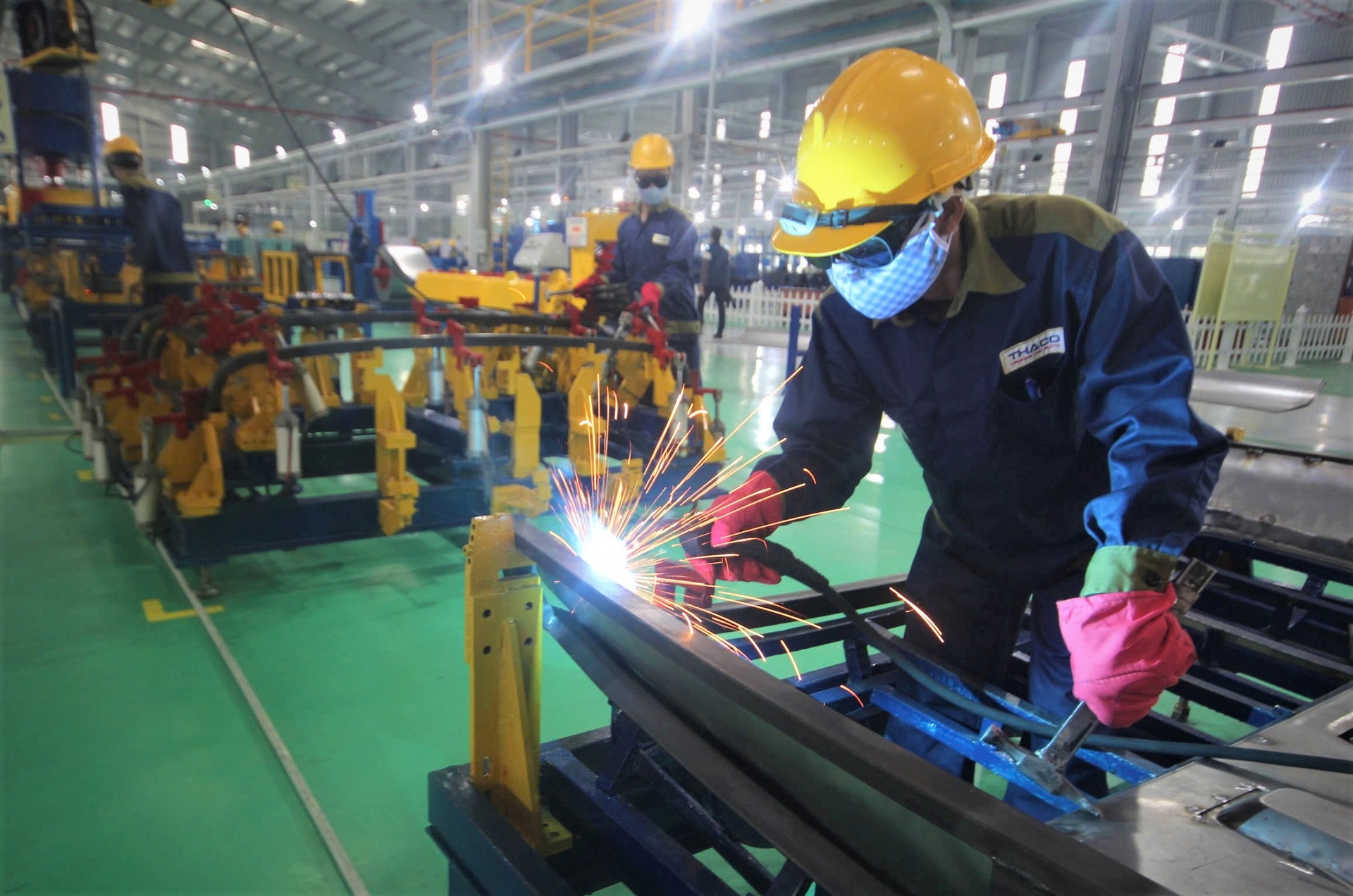
With a total investment of US$70 million, the newly operational factories are equipped with advanced automation technology and meet international export standards.
The facilities strengthen the region’s mechanical engineering and supporting industries, enhancing product value and technical sophistication.
Exports to North America, Europe and Australia are expected to further expand, providing fresh momentum for industrial and logistics growth in the 2026 - 2030 period.
Looking ahead, THACO has set ambitious targets. By 2027, the group aims to achieve consolidated revenue of approximately VND180 trillion and expand its workforce to more than 100,000 employees.
The long-term vision is to become a multi-industry industrial conglomerate with a strong presence across ASEAN and global markets.
For Da Nang, THACO’s contribution is not only strategic but foundational. In 2025, the group contributed over VND21 trillion to the state budget, including more than VND17 trillion to Da Nang alone, accounting for nearly 30 percent of the city’s total budget revenue.
THACO also provides employment for more than 15,000 workers, underscoring its central role in local economic stability and social development.
2026 marks the first year of implementing Da Nang’s 2026 - 2030 socio-economic development plan, which targets GRDP growth of at least 11 percent annually.
Achieving this goal will depend heavily on key enterprises like THACO that generate stable revenues, boost industrial output and strengthen logistics infrastructure.
As Da Nang aspires to become a major socio-economic hub and growth pole for Central Viet Nam and the Central Highlands by 2030, THACO stands at the forefront of that journey.
Completing a diversified industrial ecosystem
In 2026, THACO will continue expanding across all six of its core sectors, further strengthening its integrated multi-industry ecosystem.
In agriculture, THACO AGRI plans to increase banana cultivation to 15,800 hectares, develop more than 8,200 hectares of fruit orchards and expand its cattle herd to over 200,000 head.
Banana export output is projected to surpass 400,000 tonnes, reinforcing its presence in global agricultural markets.
In supporting industries and mechanical engineering, THACO INDUSTRIES will expand next-generation component and mechanical manufacturing plants in Chu Lai, while deploying a multi-purpose railway and mechanical industrial complex in Ho Chi Minh City to enhance industrial capacity and technological depth.
The automotive sector remains a central pillar. THACO AUTO targets sales of over 96,000 vehicles and projected revenue of approximately VND 65.5 trillion. The company will also launch a THACO-branded Minibus line and accelerate export activities.
In trade and services, THISO is developing integrated multi-utility commercial centers, while THILOGI is expanding its logistics network, aiming to increase cargo throughput via Chu Lai International Port to approximately six million tonnes.