

4,500 Horse Zodiac stamps from 200 countries and territories on display in Hoi An
DNO - More than 4,500 horse zodiac stamps from 200 countries and territories have come together at the CSO Gallery in Hoi An, Da Nang, Vietnam.
Here, each stamp transcends its postal function, serving as a slice of history that reflects the cultural, political, and artistic contexts shaped by the passage of time.
Remarkable horse zodiac stamp collection
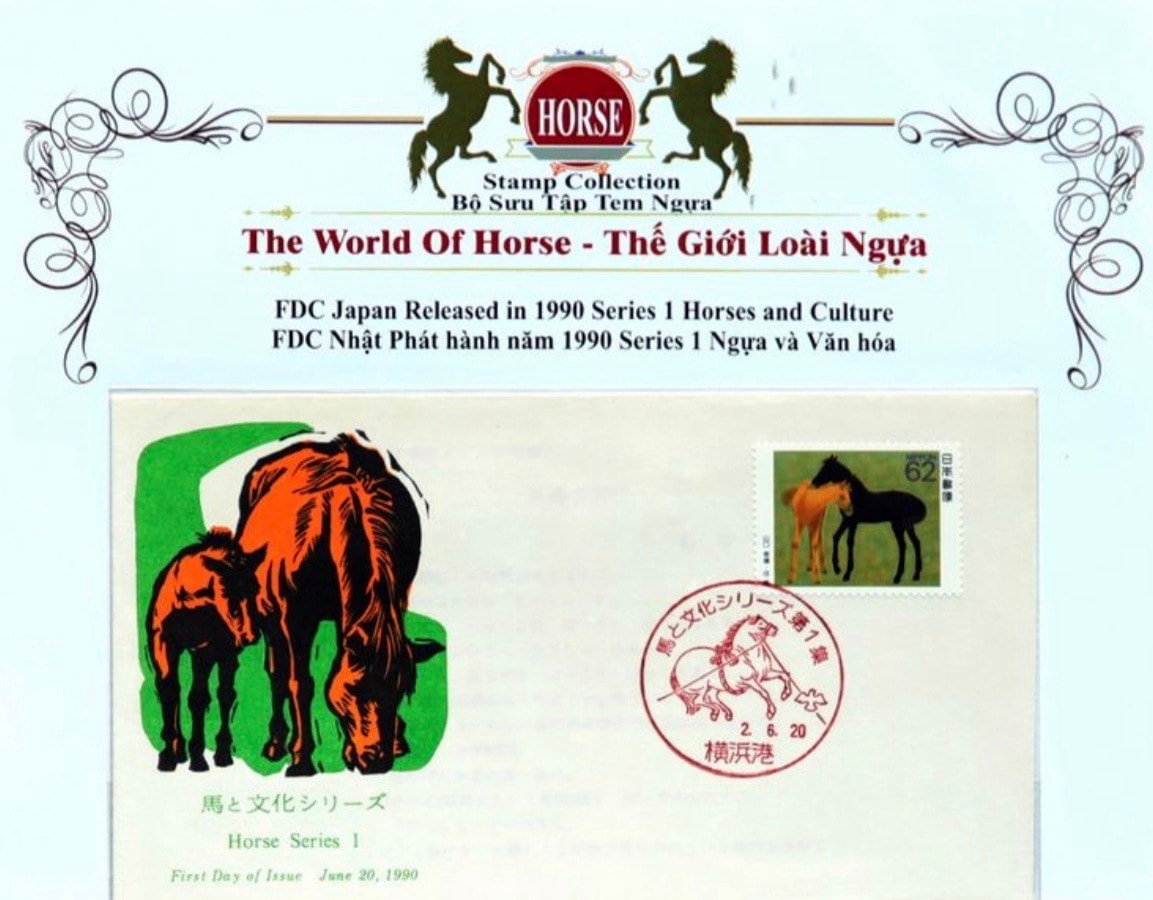
Among the exhibition’s distinguished visitors was Professor Masashi Kawahira of Kobe University in Japan, who expressed deep admiration upon viewing Japan’s collection of horse zodiac First Day Covers (FDCs).
He noted that in Japan, horses hold a sacred place in both spiritual belief and daily life, symbolizing a connection that extends from traditional festivals and equestrian arts to longstanding craft practices. Seeing these culturally significant stamps preserved with care in Vietnam, he said, was profoundly moving.
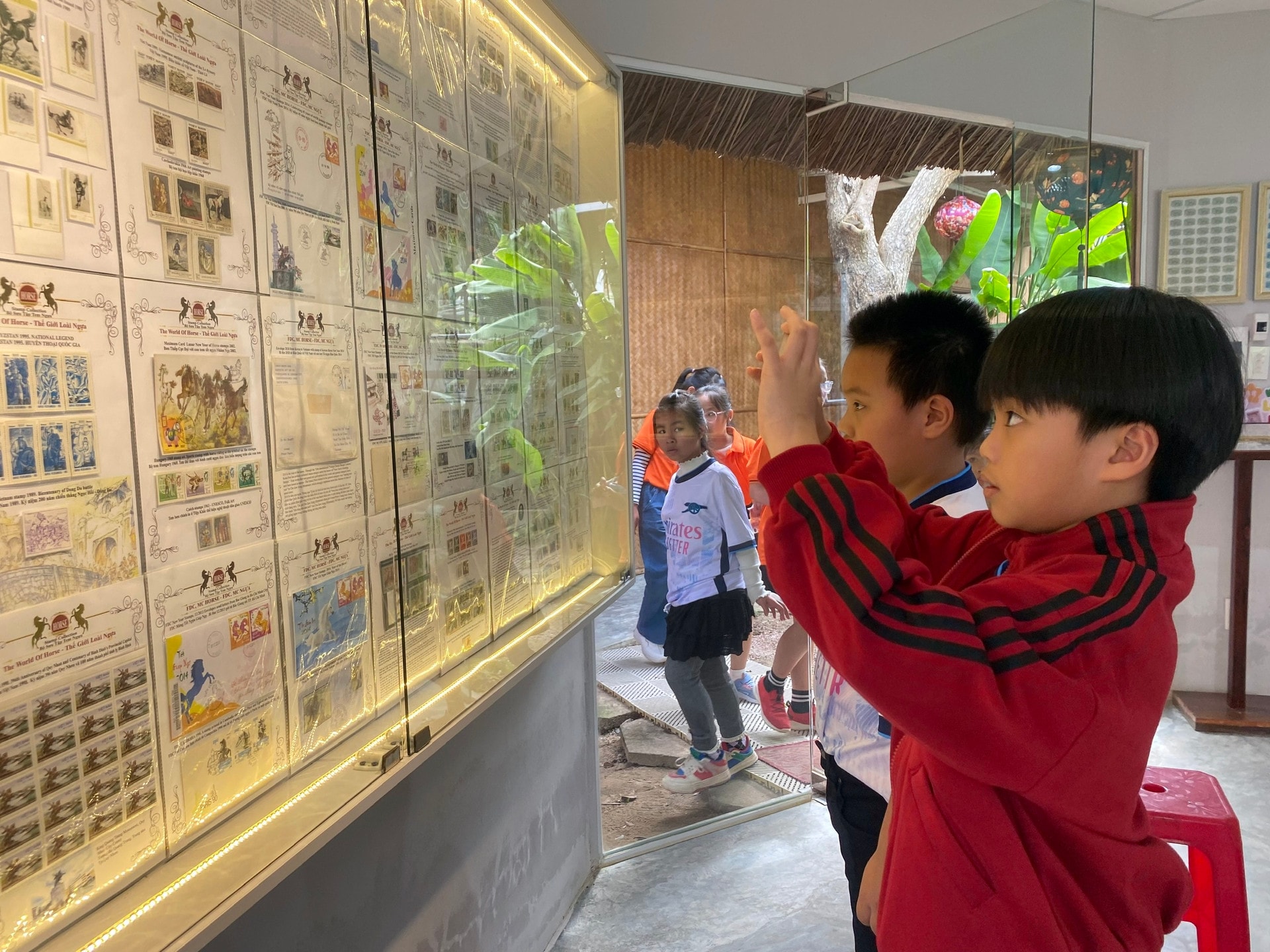
Opened in 2024, the CSO Gallery has quickly become an appealing destination for tourists, students, scholars and cultural researchers. Here is collection of 1,630 editions of “The Tale of Kieu” in multiple languages.
The collection of 4,500 horse zodiac stamps is systematically arranged across three exhibition rooms under thematic categories, including World Horse Stamps (1891-2017), Vietnamese Horse Stamps, Royal Horse Stamps, Equestrian Sports Stamps, War Horse Stamps, Carriage Horse Stamps and Complete Horse Stamp Sheets. Most are mint-condition stamps, unused and uncancelled.
Notably, in addition to century-old issues, the exhibition features rare and valuable pieces such as a horse stamp designed by Spanish master Pablo Picasso, a two-carat gold horse stamp and exquisitely printed Japanese horse zodiac stamps.
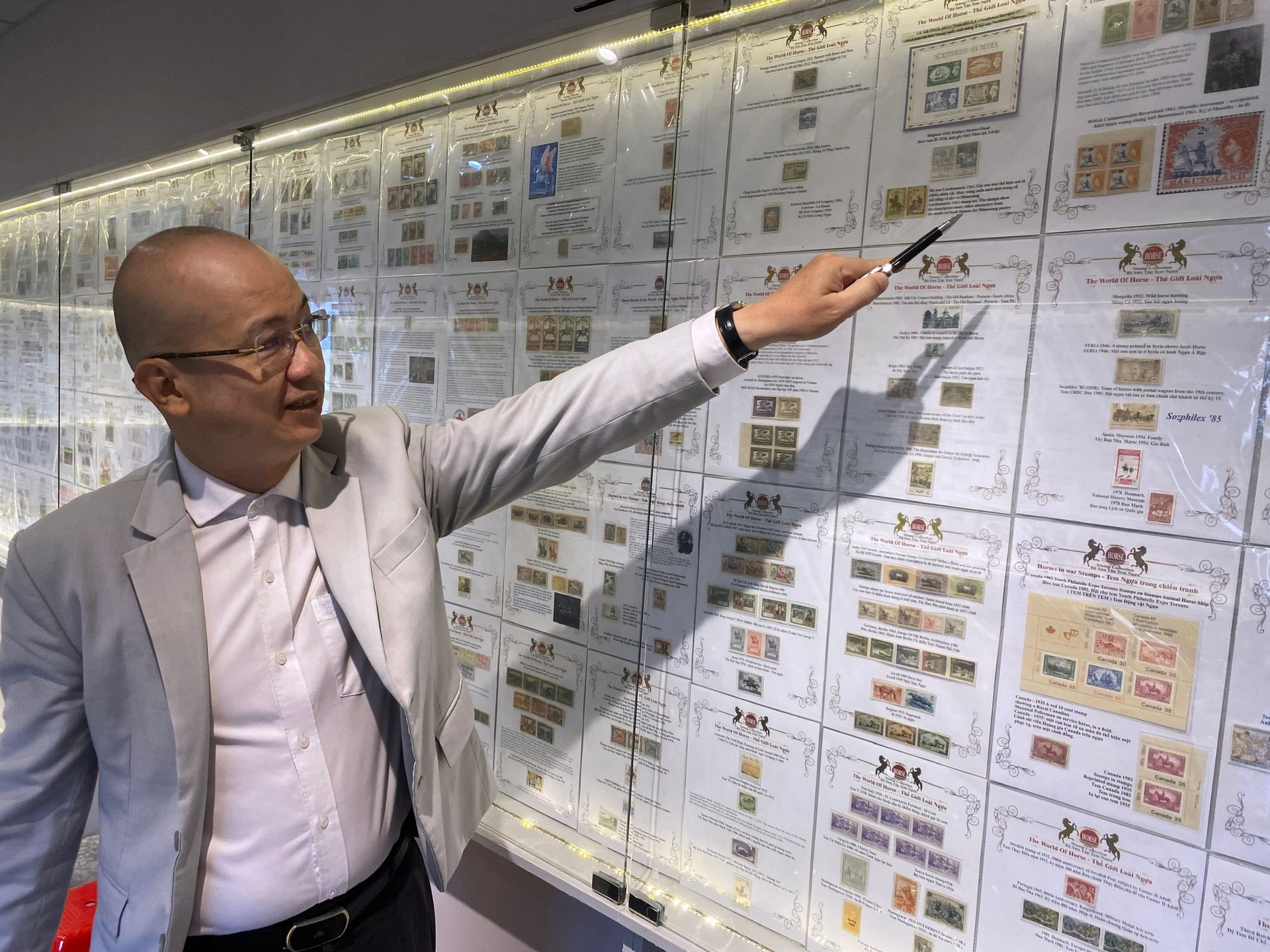
Each section is accompanied by detailed bilingual English-Vietnamese annotations. Highlights include the five-stamp set depicting Saint Giong riding his horse to heaven, issued on July 1, 1989.
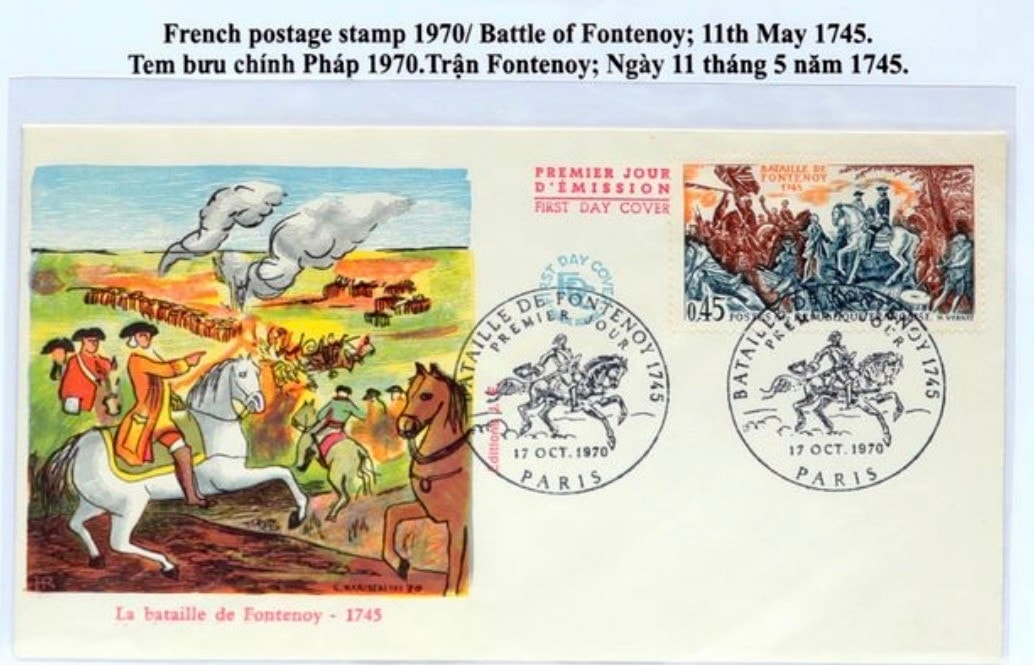
Similarly, international issues such as the series honoring Ethiopian Emperor Menelik II, the 1961 Basutoland overprint featuring a Mosotho horseman, and French colonial stamps portraying Commander-in-Chief Gallieni are carefully explained.
Sets a record in Vietnam
In 2023, the Horse Zodiac Stamp Collection of Mr. Tran Huu Tai was officially recognized by the Vietnam Records Organisation as the largest collection in Vietnam featuring horse zodiac stamps from countries around the world.
Living in Ho Chi Minh City and having spent many years working for foreign companies, Mr. Tran Huu Tai, the founder of the CSO Gallery Museum, has accessed global philatelic sources.
Horse stamps are far more than postal instruments; they are “cultural ambassadors” conveying national identity, local history and the artistic standards of each country.
Building a collection of this scale has required more than two decades of dedication. Mr. Tai has tirelessly sourced stamps from friends and relatives abroad, as well as through online acquisitions.
Some seemingly modest stamps have taken months, even nearly a year, to arrive in Vietnam, such as a four-horse set depicting animals wearing traditional hats that he ordered from Uruguay in South America.
“In reality, the price of each stamp is not particularly high. Their value lies in their rarity, uniqueness and the stories behind them, especially at a time when handwritten letters are no longer common and stamp printing and issuance are increasingly limited”, Mr. Tai noted.
In Vietnam alone, horse zodiac stamps have been issued 16 times, often linked to significant milestones in the nation’s history of nation-building and defense.
CSO Gallery also provides in-depth materials on nearly 50 traditional and crossbred horse breeds.
From the elegant Akhal-Teke of Central Asia and the distinctive Dutch Friesian to the renowned Arabian horse, as well as working breeds such as Switzerland’s Franches-Montagnes, France’s Comtois and Australia’s Waler stock horse, the museum offers visitors and researchers a comprehensive perspective on the diverse roles horses have played in human civilisation.