

Horse trekking in Mongolia: Discover nomadic life on open steppe
DNO - Horses hold a central place in daily life of Mongolian people. The country has not only a thriving horse-breeding industry, but also a distinct culture and a tourism model closely associated with horses.
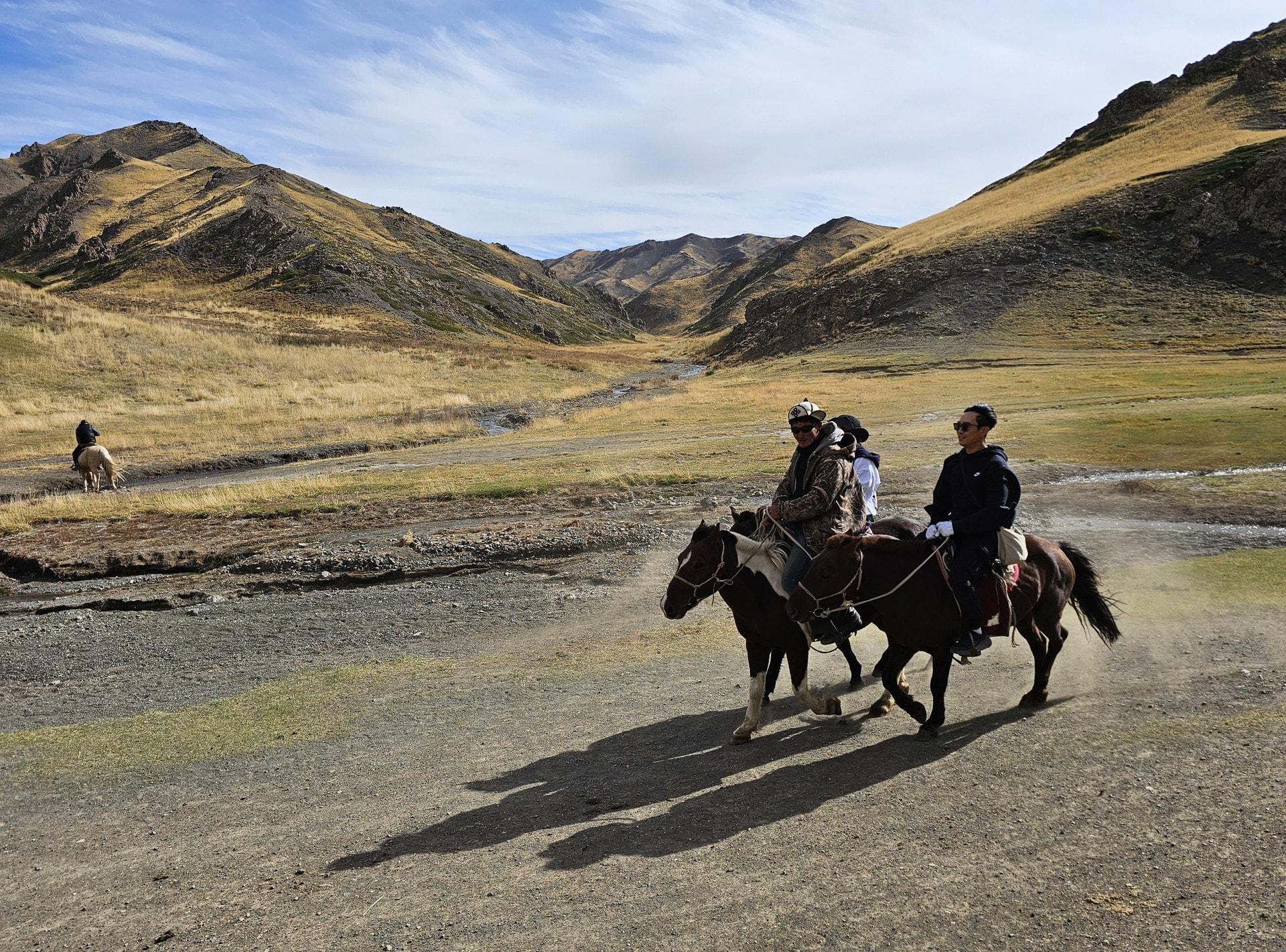
Horses and Mongolians
For Mongolians, horses are far more than a means of transportation, they are inseparable from culture, livelihoods and tourism.
Unlike in many parts of the world, horses in Mongolia are not confined to stables. Instead, they roam freely across the vast steppes, foraging for food and water year-round despite extreme weather conditions with summer temperatures exceeding 40°C and winter plunging below -40°C. This is a form of semi-wild breeding.
Due to living in such harsh environments, Mongolian horses are not particularly tall, but they are very sturdy. Their strong hooves and thick coats help them withstand severe cold and they are known for their resilience and low susceptibility to disease.
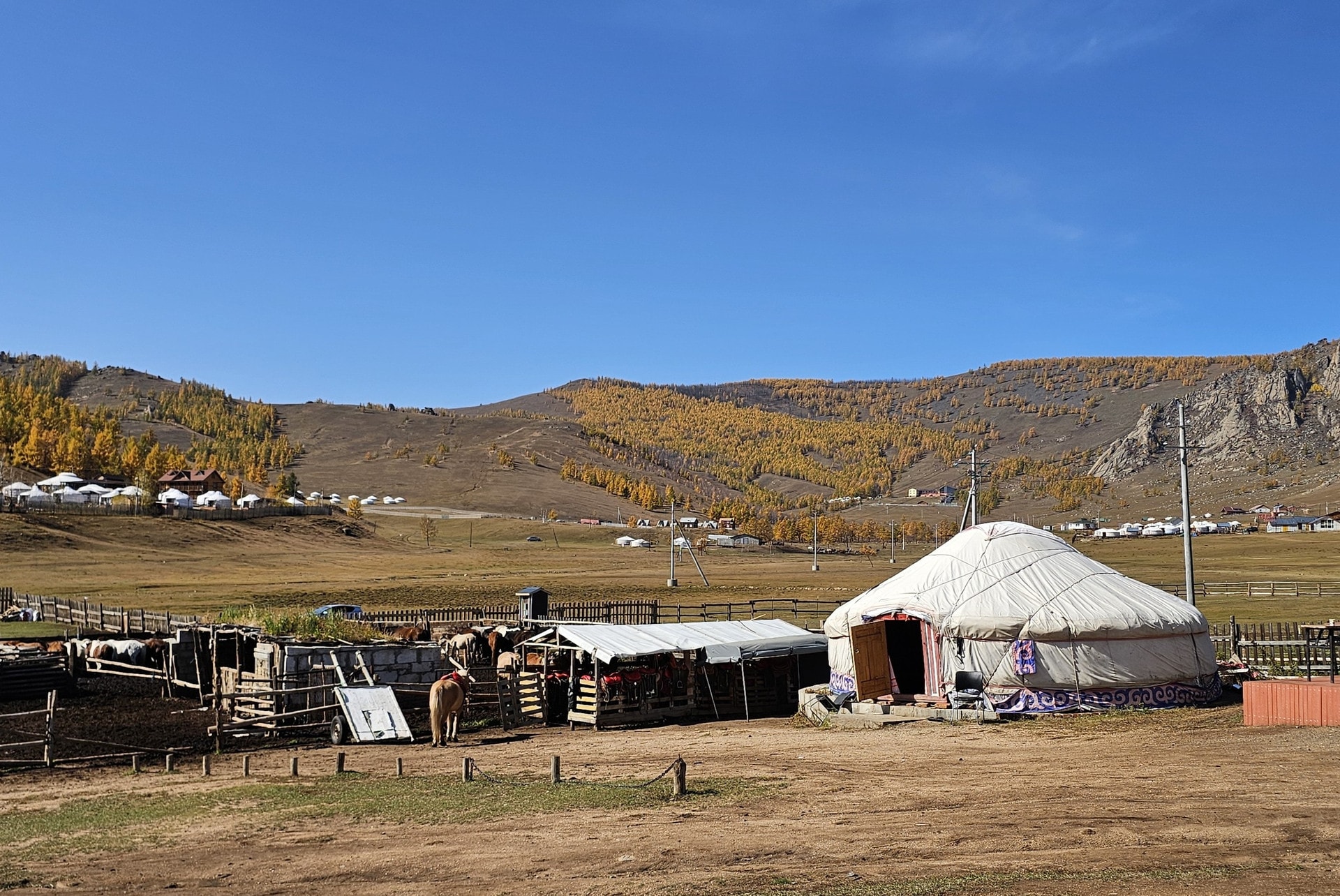
Horses are trained from an early age and remain the main mode of transportation in rural and steppe regions where infrastructure is limited. Across grasslands and deserts, they play a vital role in herding livestock such as sheep, goats and cattle.
They also take center stage in traditional games, such as horse racing during the annual Naadam festival, a cultural symbol of Mongolia. Mongolians also hold their own festivals to honor horses, such as the Agtana Khureet festival, to promote equestrian culture. Mongolian children often learn to ride horses at a very young age.
Beyond transportation and sport, horses are an important food source. Their hair, manes and hooves are used to make ropes, musical instruments such as the morin khuur (horse-head fiddle), and decorative and religious items.
Horses are symbols of freedom and strength, reflected in Mongolian poetry, music, beliefs, and nomadic culture.
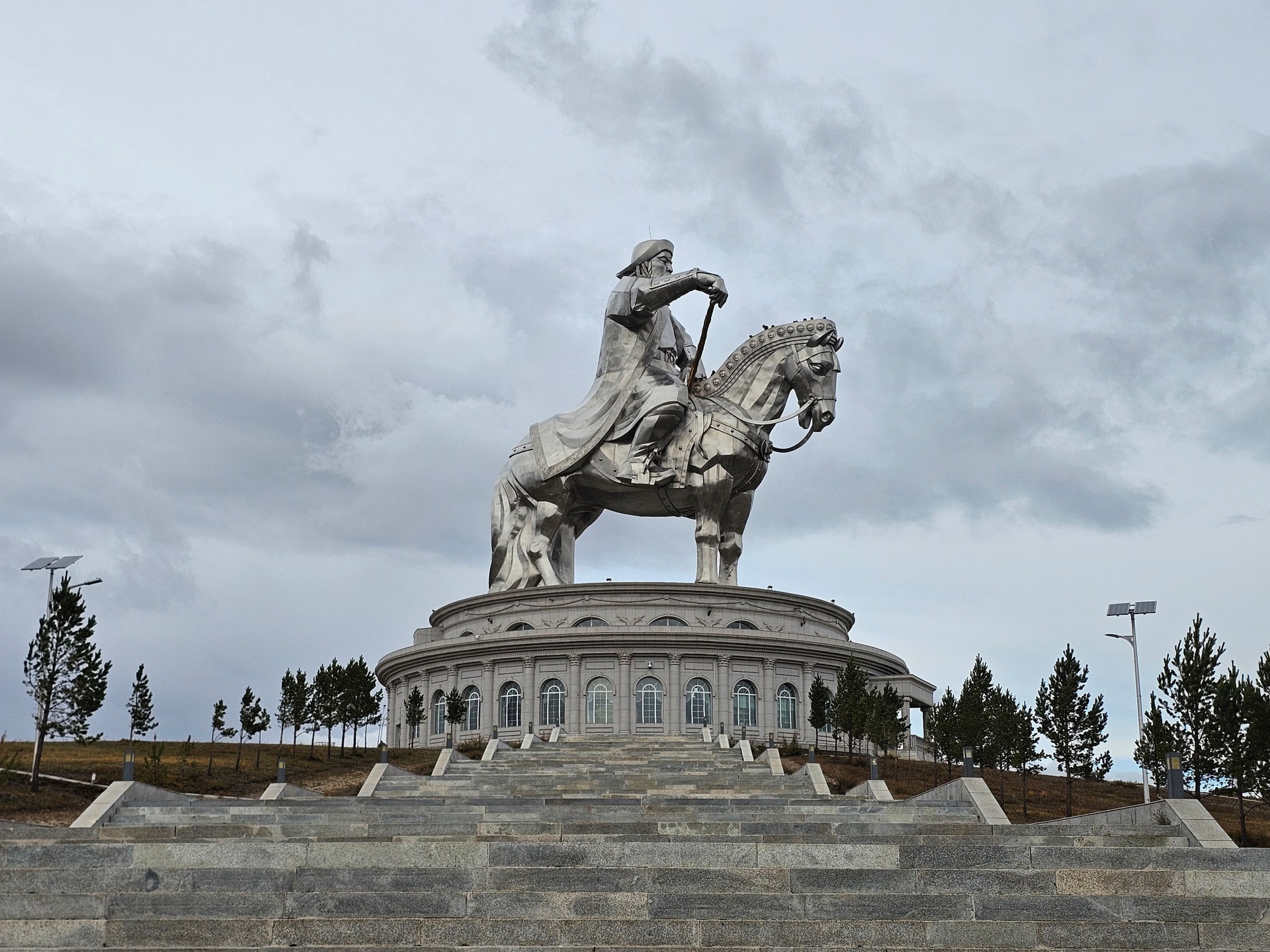
Horse trekking in Mongolia
Horse trekking in Mongolia is one of the most attractive experiences for international tourists.
According to data from eVisa Mongolia, Mongolia welcomes around 700,000 - 800,000 tourists each year, mainly from China, Russia, South Korea, Japan, the United States, and several European countries like Germany, France and the United Kingdom.
Most visitors to Mongolia take part in horse trekking tours across the steppes surrounding the capital of Ulaanbaatar or venture south into the vast Gobi Desert. These journeys may last a few hours, several days or even a full week, traversing open grasslands, rolling hills, tranquil lakes and the immense expanses of the Gobi Desert.
In addition to horse trekking experiences, tour programs introduce visitors to Mongolia’s equestrian heritage. Travelers have a chance to attend horse festivals, explore nomadic horse camps, meet local families, learn to milk mares, prepare traditional dishes and gain insight into the long history of Mongolian horsemanship.
Such experiences allow visitors to “touch” Mongolia’s authentic nomadic lifestyle rather than merely observe it from the outside. This approach not only helps preserve the nation’s enduring “horse culture” but also supports sustainable economic development for nomadic communities engaged in community-based tourism, enabling them to maintain their traditional livelihoods in a modernizing world.