

Cu Lao Cham’s conservation success boosts plans for Tam Hai marine conservation area
DNO - Nestled in Tan Hiep Island Commune, Cu Lao Cham has been designated as a World Biosphere Reserve and a Nature Reserve. Meanwhile, the marine area of Tam Hai Island Commune has been thoroughly studied in preparation for the establishment of a marine conservation area in the near future.
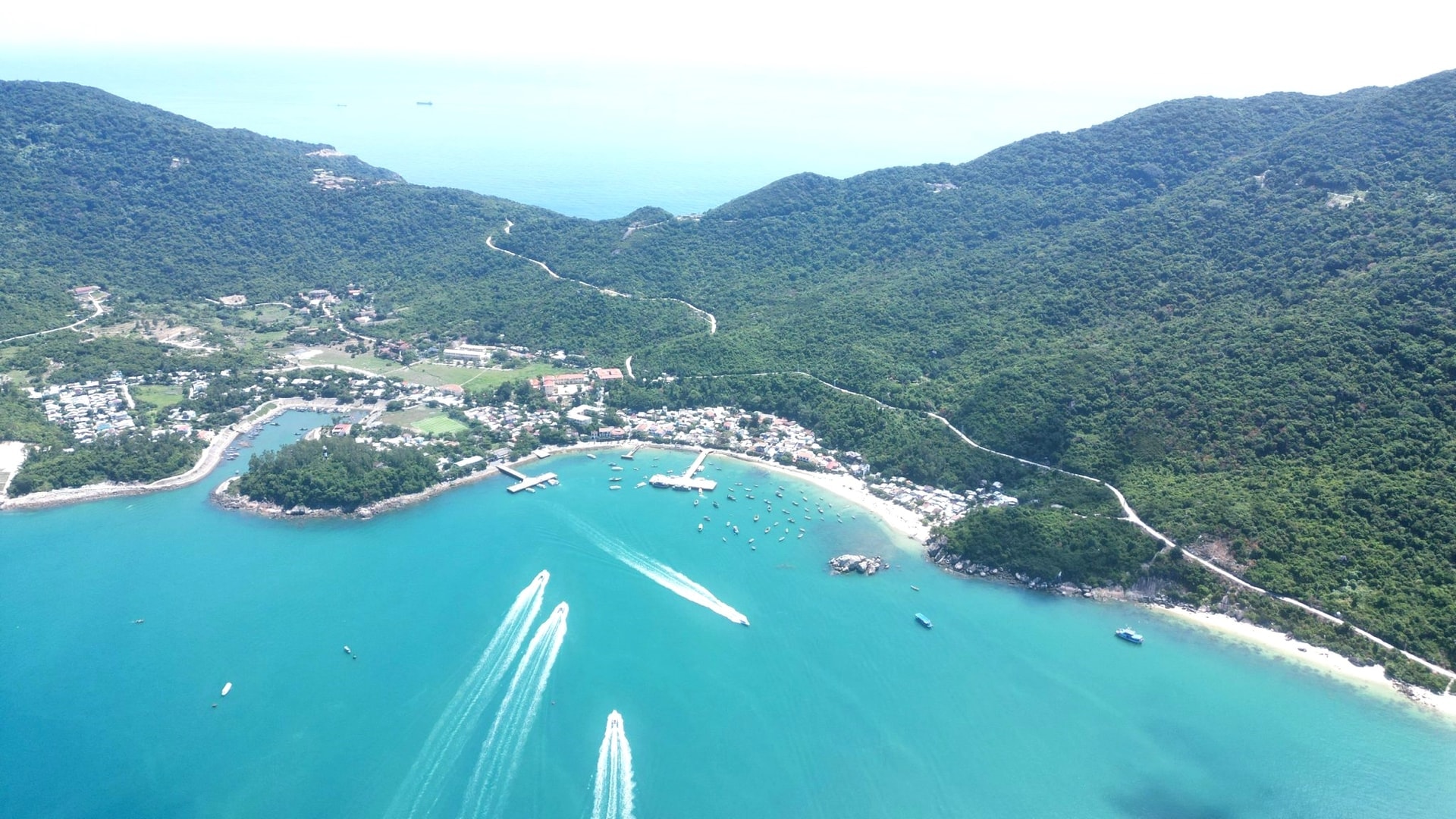
Cu Lao Cham - home to rare and valuable flora and fauna
Cu Lao Cham possesses diverse natural resources. The special-use forest here is home to 624 plant species, including 52 rare and endangered species prioritized for conservation.
In addition, there is a diverse range of mammals, birds, reptiles, amphibians, and insects, preserving numerous precious genetic resources of flora and fauna.
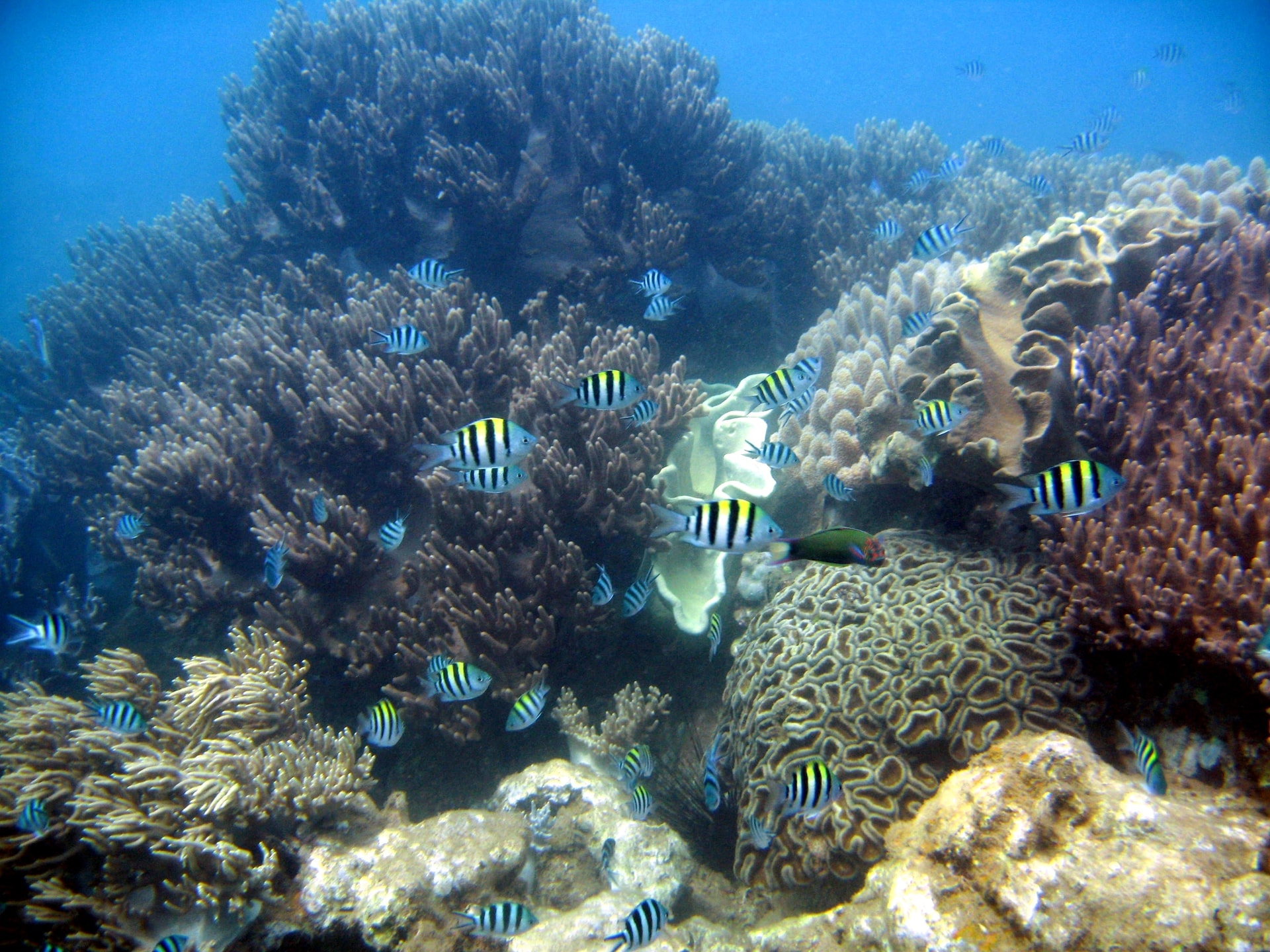
Over 300 coral species, extensive seagrass beds and seaweed habitats, and high-value seafood resources such as spiny lobster, babylonia snails, rock crabs, sea cucumbers, murex snails, scallops, and cowrie shells are also reported.
The Cu Lao Cham Nature Reserve is managed under a multi-layered model. The strictly protected zone includes pristine coral reefs, sea turtle nesting beaches, and primary tropical forests. The ecological restoration zone comprises degraded coral reefs, overfished marine areas and secondary forests. The functional zones serve eco-tourism, environmental education, scientific research, and controlled diving activities.
According to Mr. Le Vinh Thuan, Deputy Director of the Cu Lao Cham Nature Reserve Management Board, this is not only a biological conservation area but also a prime example of co-management between the State and local communities. With the community acting as steward of the heritage, the area has developed high-end eco-tourism models that are environmentally friendly and aligned with green tourism principles.
Expectations for Tam Hai Marine Conservation Area
Statistics from the Tam Hai Island Commune People’s Committee show that the locality possesses over 90 hectares of coral reefs comprising approximately 100 species, mostly staghorn coral and conglomerate coral.
The Tam Hai coral reef ecosystem also has 41 species of seaweed and 168 species of fish, many of which have high economic value such as snapper, grouper, and lobster.
Notably, many aquatic species in Tam Hai Island Commune have been recorded by scientists in greater numbers than in Cu Lao Cham. Seaweed beds in Tam Hai play a critical role in creating habitats, spawning grounds, shelters, and nurseries for juvenile shrimp, fish, crabs, and swimming crabs.
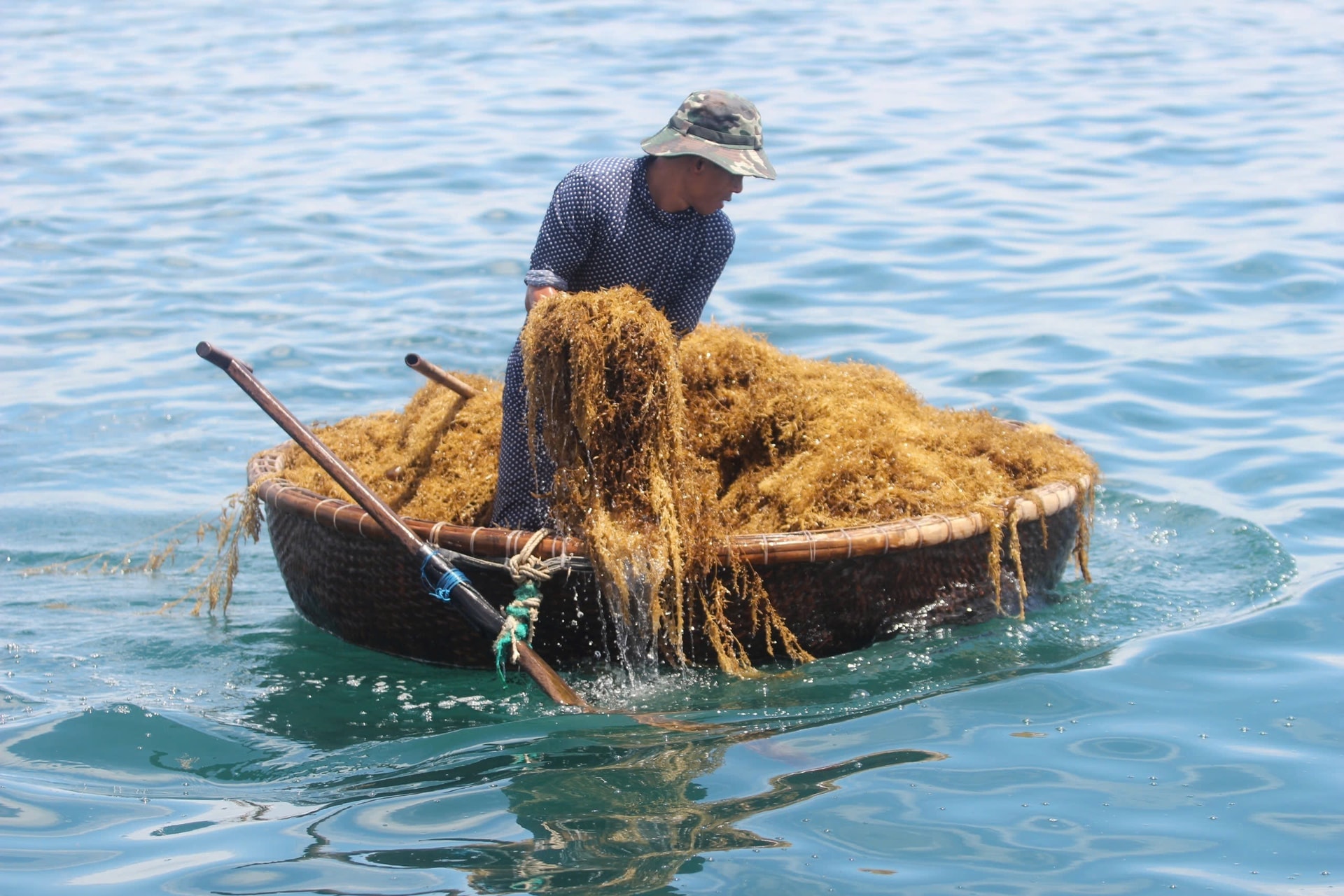
However, prolonged over-exploitation, especially seaweed and high-value seafood species, has led to a significant decline in marine ecosystem quality. In response, specialized agencies have conducted comprehensive surveys to assess biodiversity status, threats, and pressures on Tam Hai’s marine resources, providing a scientific basis for proposing the establishment of a marine conversation area.
According to the plan, the Tam Hai marine conversation area will be developed based on cooperation among local communities, management authorities, and businesses.
The establishment of the marine conversation area aims not only to protect biodiversity but also to reduce exploitation pressure and create stable livelihoods for coastal residents. When natural resources are restored and effectively managed, local residents become the direct beneficiaries, thereby strengthening their sense of responsibility and long-term commitment to conservation.
In 2005, Cu Lao Cham was designated as a marine protected area with an area of 23,500 km2. In 2009, the Cu Lao Cham - Hoi An was recognized by UNESCO as a World Biosphere Reserve.
On May 17, 2024, the People's Committee of former Quang Nam Province issued a decision to establish the Cu Lao Cham Nature Reserve covering a total area of nearly 12,600 hectares of primary forests, coral reefs, sea turtle nesting beaches, and marine areas with high biodiversity.