

New way to travel: Immersive craft village experiences in Hoi An
Moving beyond sightseeing and souvenir shopping, craft village tourism in Hoi An is quietly evolving into an immersive journey during which visitors step into local livelihoods and connect with living traditions.
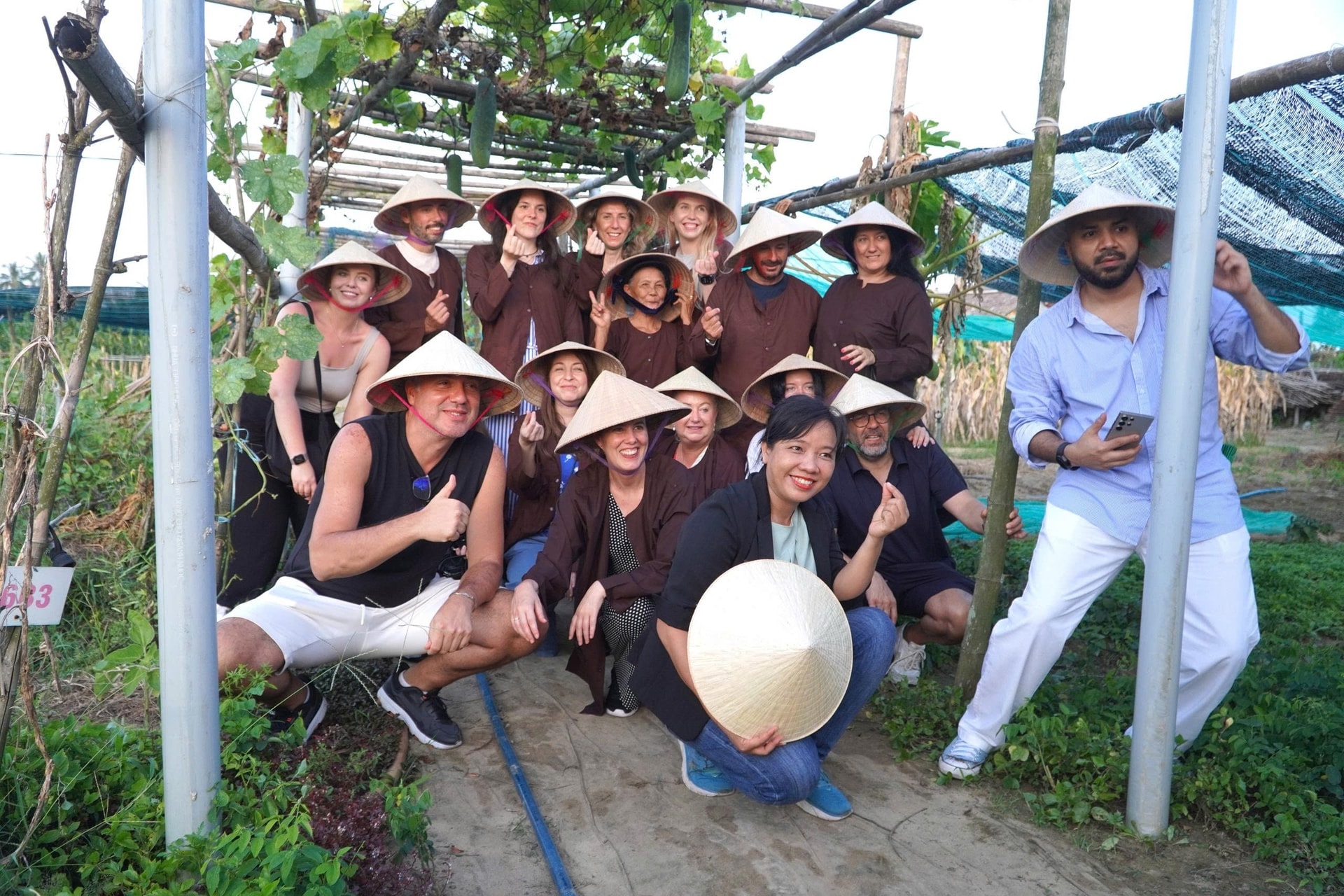
Refreshing craft village landscape
At the Thanh Dong vegetable village in Hoi An, farmers have brought a small produce market directly into their gardens. Organic vegetables are sold alongside traditional farming tools, while visitors are invited to observe and learn about age-old cultivation methods.
Fields once reserved solely for production have become living stages for tourism, where authenticity replaces performance. By placing the market amid the crops, Thanh Dong allows visitors to engage directly with farmers and understand the values behind organic agriculture and low-carbon practices.
A similar spirit of renewal can be found at the Tra Que vegetable village, recognized by UN Tourism as one of the “Best Tourism Villages 2024”.
Here, visitors work the soil themselves, learning to grow herbs using algae harvested from nearby lagoons and discovering the techniques that have shaped Tra Que’s reputation for generations.
The experience often culminates in a cooking class featuring local dishes, completing a seamless journey from field to table that leaves a lasting impression.
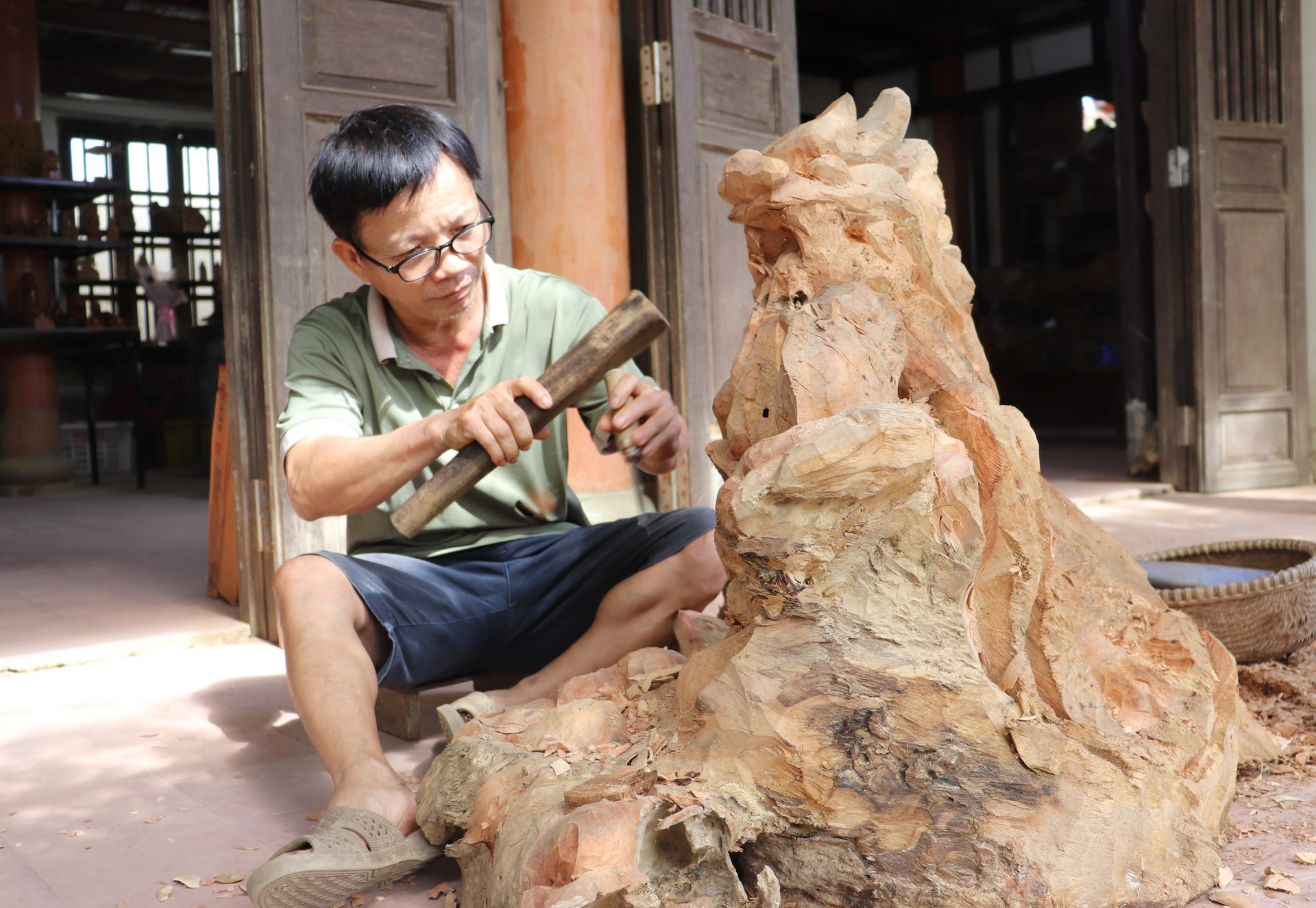
At the Kim Bong Carpentry Village, experiential activities are thoughtfully designed with an educational focus, making them especially appealing to families and school groups.
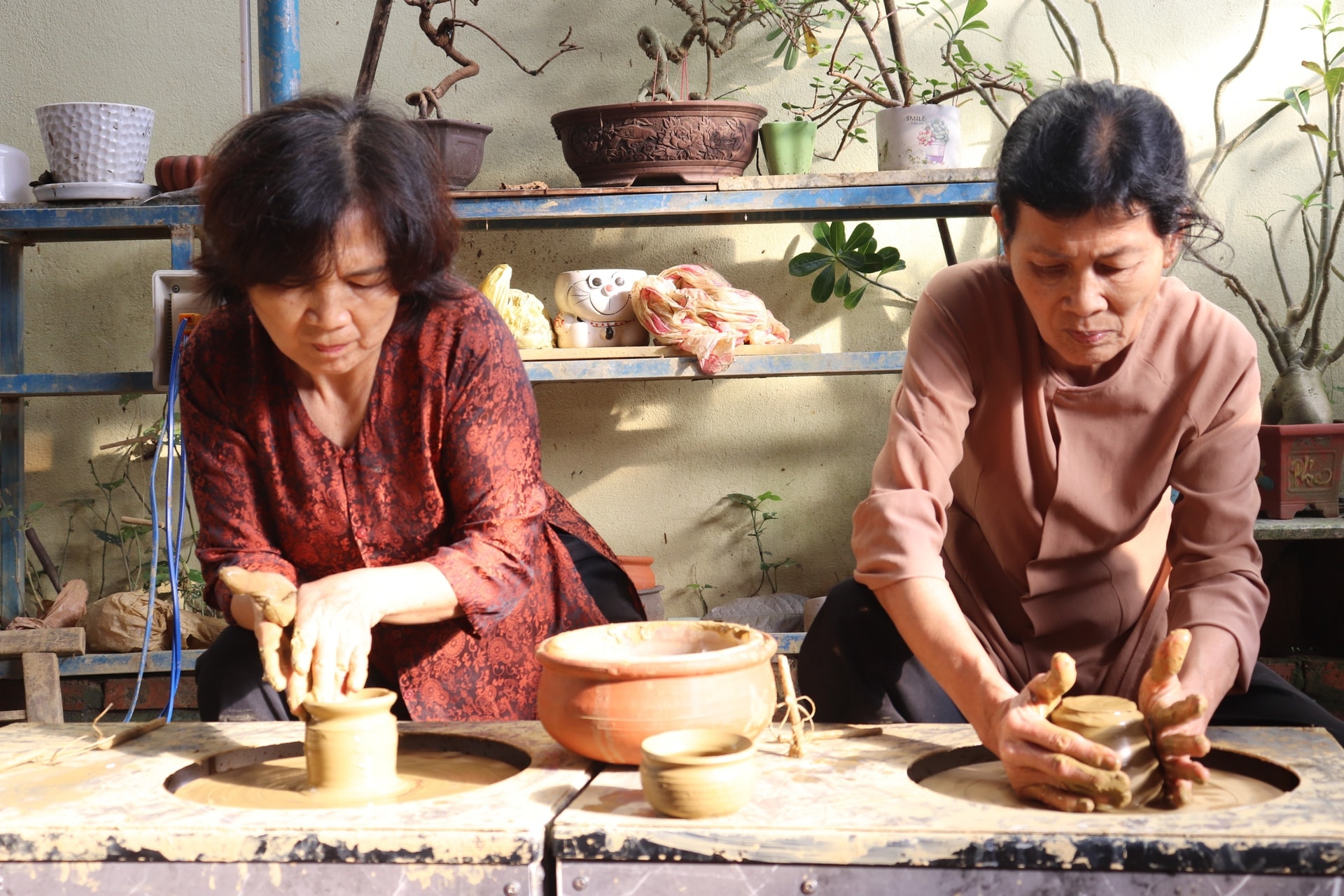
Visitors learn about the village’s long-standing craft heritage, observe skilled artisans at work, and try their hand at simple woodworking tasks, turning a traditional trade into a living classroom.
At the Thanh Ha Pottery Park, clay becomes a storytelling medium. Pottery is no longer just an object on display but a gateway to understanding local history, architecture and cultural identity.
At Taboo Bamboo Workshop, bamboo is transformed from a familiar rural material into an artistic medium. Visitors participate in crafting their own pieces while learning about sustainable design and the philosophy of using natural materials in a modern world.
Together, these initiatives signal a clear shift. Hoi An’s craft village tourism is moving from “watching and buying” to “experiencing and engaging,” enriching visitors emotionally and encouraging longer stays.
Building sustainable network of destinations
Craft village tourism in Hoi An is undergoing a quiet but meaningful transformation, shifting from simple sightseeing to deeper, experience-driven journeys rooted in sustainability.
Across peri-urban and rural areas, community-based models are being developed to reduce environmental impact, limit waste, and respect the carrying capacity of village life.
At Thanh Dong vegetable village, organic farming forms the backbone of both agriculture and tourism, with small-scale experiences that allow visitors to engage directly with farmers while promoting recycling and reduced plastic use.
In riverside destinations such as Triem Tay and The Field, guests are encouraged to travel in eco-friendly ways and to listen to the stories of local farmers, fishermen, and artisans, turning each visit into a reflection on the balance between livelihoods and conservation. Travel companies are also rethinking their approach.
After on-site surveys, international tour operators have begun redesigning itineraries to include agricultural and craft village experiences, diversifying tourism products while directing greater benefits to local communities.
After joining a survey of Hoi An’s craft villages, Mr Tae Il said his company realised the strong potential of rural and craft-based tourism beyond the ancient town.
The firm now plans to redesign its tours, integrating agricultural and village experiences to diversify products and create more sustainable benefits for local communities.
Today, Hoi An’s craft villages form an interconnected network of human-scaled, nature-oriented destinations, where cultural preservation, sustainable livelihoods, and authentic rural life are not side elements, but the very core of the visitor experience.
Artisans in Kim Bong carpentry village. Photo: NGOC HA