

Vietnam opens first-ever Pho Museum to celebrate 100 years of culinary heritage
DNO -An immersive cultural space traces the journey of Vietnam’s iconic dish - pho -from street stalls to global recognition.
.jpg)
Living museum dedicated to pho
As reported by Vietnamese media agencies, the Pho Museum, the first culinary museum in Vietnam has been opened in the southern metropolis of Ho Chi Minh City, marking a significant milestone in the preservation and promotion of the country’s food heritage. Admission is priced at VND 750,000 per visitor.
More than a conventional exhibition space, the museum tells the 100-year story of pho, Vietnam’s most iconic dish, through a carefully curated narrative that blends history, culture and sensory experience.
Visitors are guided through the dish’s evolution using historical artefacts, archival materials, photographs, artistic installations and cinematic presentations.
From humble street-side vendors in early 20th-century Vietnam to pho’s presence on dining tables around the world, the museum offers a comprehensive portrait of how a simple bowl of noodles became a global culinary symbol.
Spanning approximately 800 square metres across three experiential floors, the museum operates on a closed-loop tour lasting 60 to 75 minutes.
The journey is structured as a continuous narrative, leading visitors from historical and cultural contexts to hands-on culinary engagement, fostering a deeper emotional connection with Vietnamese food culture.
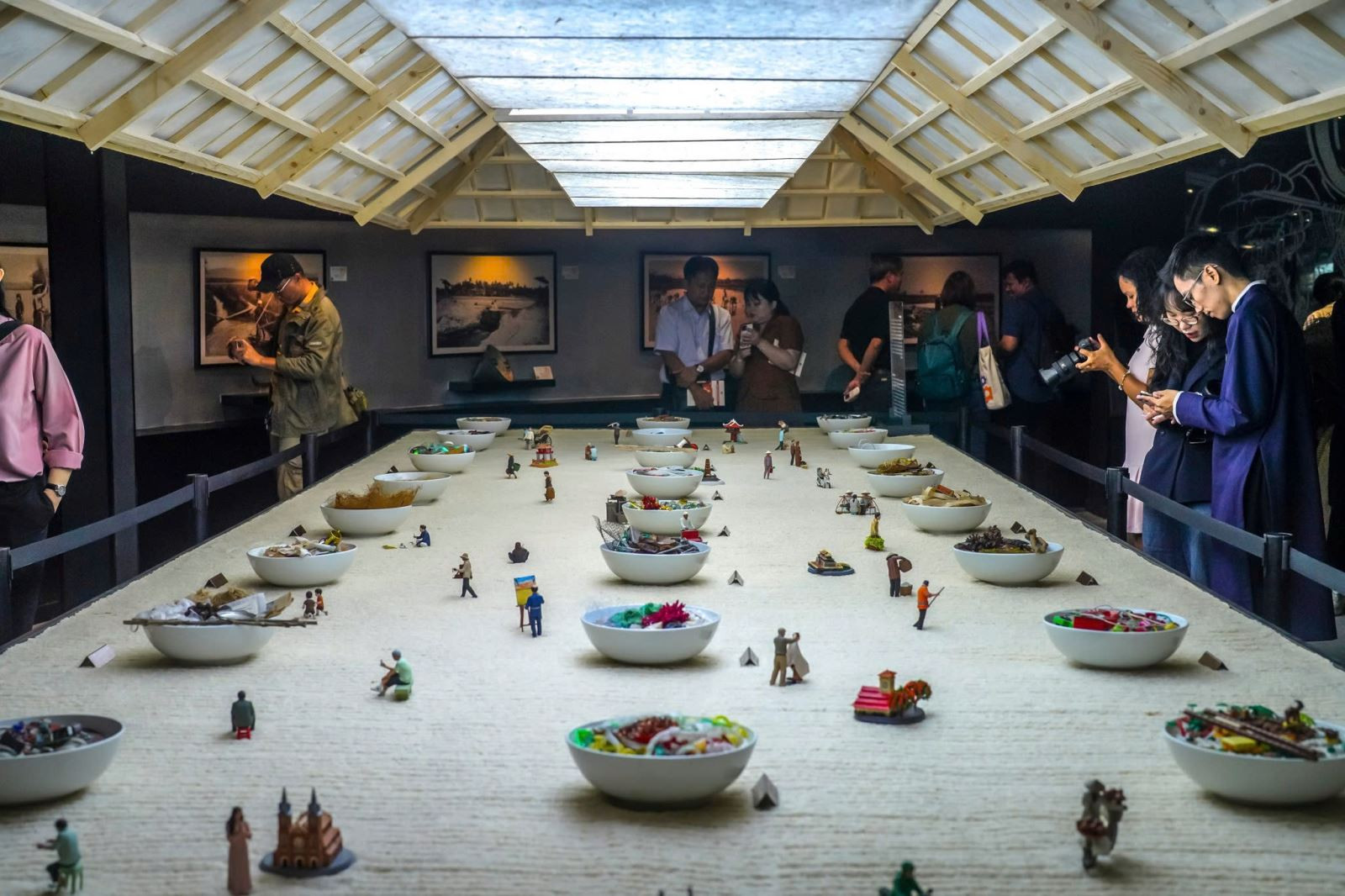
Interactive experiences
Setting itself apart from traditional museums, the Pho Museum places strong emphasis on interaction and participation.
Visitors are invited to explore the fundamentals behind an authentic bowl of pho, including the selection of ingredients, techniques for simmering a clear and naturally sweet broth, meat preparation methods and the art of presentation.
The highlight of the tour is the tasting experience, where guests enjoy a specially prepared bowl of beef pho.
This moment serves as the culmination of the visit, allowing visitors to connect historical knowledge with direct sensory appreciation.
The combination of storytelling and taste offers insight into why pho is frequently ranked among the world’s most beloved dishes.
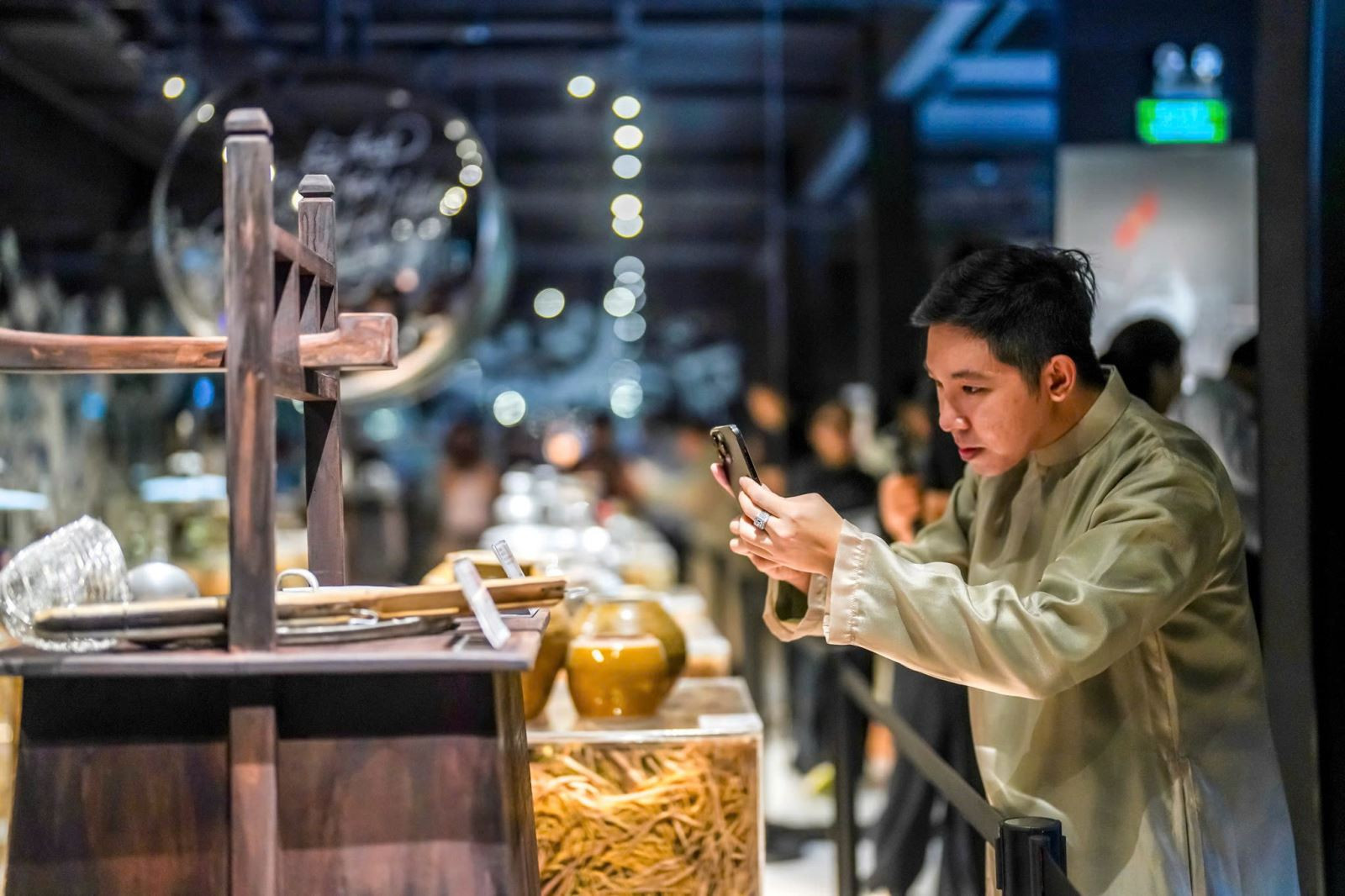
Preserving and promoting culinary heritage
Beyond its role as a new tourist attraction, the Pho Museum contributes to the broader mission of safeguarding and promoting Vietnam’s intangible cultural heritage.
Its exhibition spaces preserve valuable documentation of pho’s origins, transformations and regional variations, highlighting the craftsmanship and cultural values embedded in each bowl.
The museum recreates key stages in pho’s historical development, displaying traditional cooking tools and illustrating the social and cultural contexts in which the dish evolved.
Through these narratives, visitors gain a deeper appreciation of the artistry and discipline behind pho-making, as well as its significance in everyday Vietnamese life.
The establishment of the Pho Museum not only adds a new tourism destination, but also plays an important role in preserving, honoring and promoting the cultural and culinary values of this iconic national dish to the international community.
The Pho Museum will be open daily from 8:00 a.m. to 9:30 p.m., with its food zone operating around the clock to meet visitors’ dining needs at any hour.
Designed as a vibrant new cultural attraction, the museum is projected to draw approximately 1,500-2,000 visitors each day, with international tourists and tour groups accounting for nearly 60% of total attendance.