

Da Nang’s rural tourism impresses visitors
DNO - Da Nang City’s rural tourism has earned repeated international recognition in recent years. Positive global assessments show that the city needs to continue elevating this tourism segment.
Strong international recognition
Da Nang’s rural tourism is gaining strong international recognition as nature-based and community experiences evolve from simple sightseeing into sustainable, immersive products.
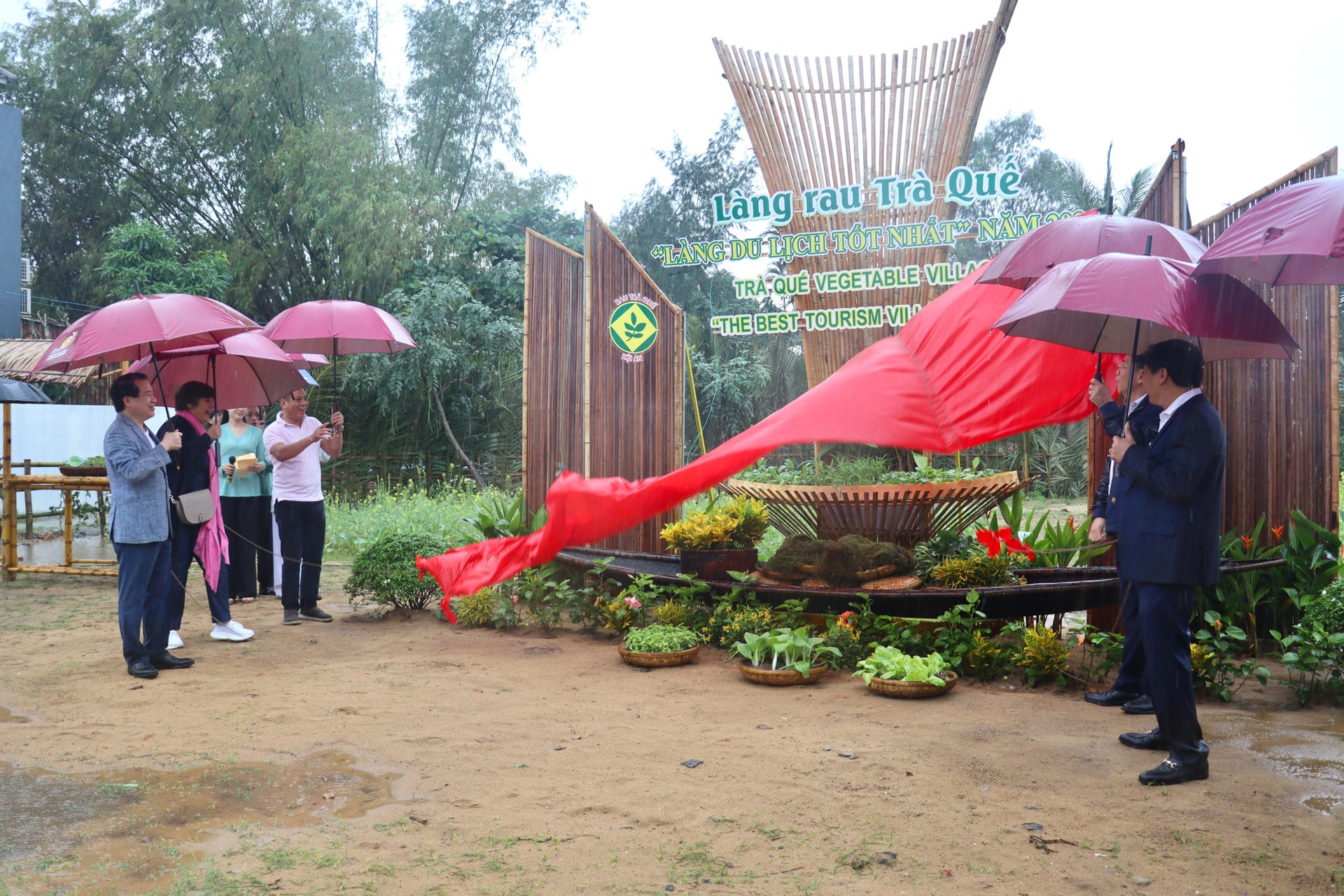
Tra Que vegetable village was named a Best Tourism Village 2024 by UN Tourism, confirming its shift to a professionally managed, responsible model.
In 2025, Cam Thanh village became the only Vietnamese destination named among the 50 most beautiful villages in the world by Forbes, boosting visibility for the Bay Mau nipa palm forest.
In the highlands, Toom Sara village and a Co Tu community tourism model won the ASEAN Community-Based Tourism Award 2025, highlighting Da Nang’s expanding rural tourism corridor from coastal plains to mountain communities.
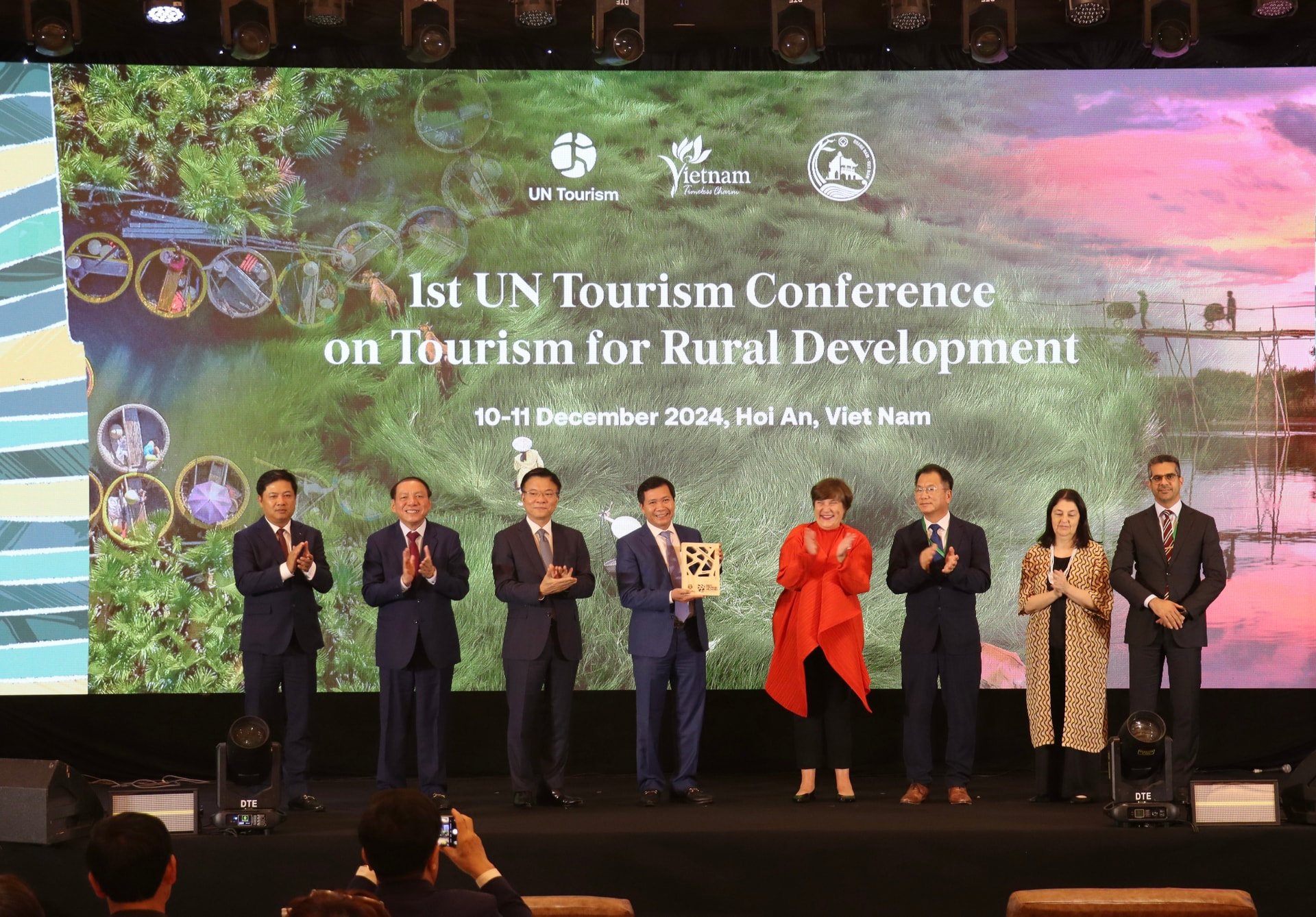
According to travel businesses, international awards boost destination credibility, push improvements in service and environmental standards, and enable more targeted tour products for families, schools and nature- or culture-focused travellers.
Balancing growth and conservation
Rural tourism operators see agricultural tourism as a bridge expanding Da Nang’s appeal beyond the beach, extending visitor stays and spending. They recommend unified branding that promotes greener, slower, more meaningful travel.
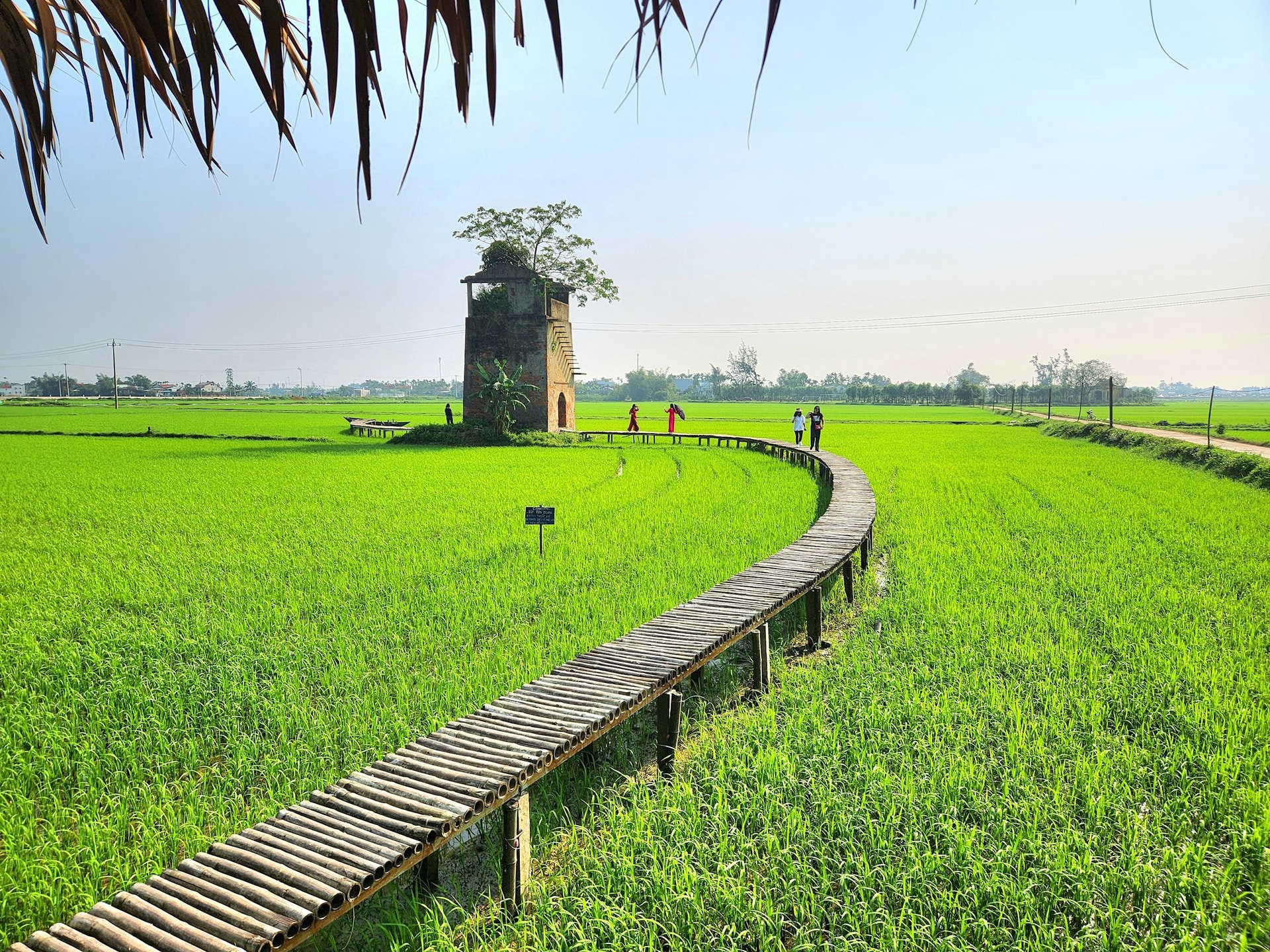
According to city tourism officials, Da Nang will continue developing eco-, community- and farm-based tourism across Tra Que, La Huong, Hoa Bac, and Ba Na and into upland areas, with residents as core beneficiaries.
Da Nang aims to upgrade infrastructure and enhance connectivity without harming landscapes, train locals as “green tourism ambassadors”, and build sea-river-mountain routes. The priority is not growth at all costs but protecting nature, culture, and livelihoods and preserving architecture, crafts, cuisine, festivals, and folk arts as the soul of rural and highland tourism.