

PayD joins International Financial Centre in Da Nang to pilot digital asset payments for tourism
DNO - PayD has received official approval from the Da Nang People’s Committee to join the ecosystem of the Vietnam International Financial Centre (IFC) in Da Nang.
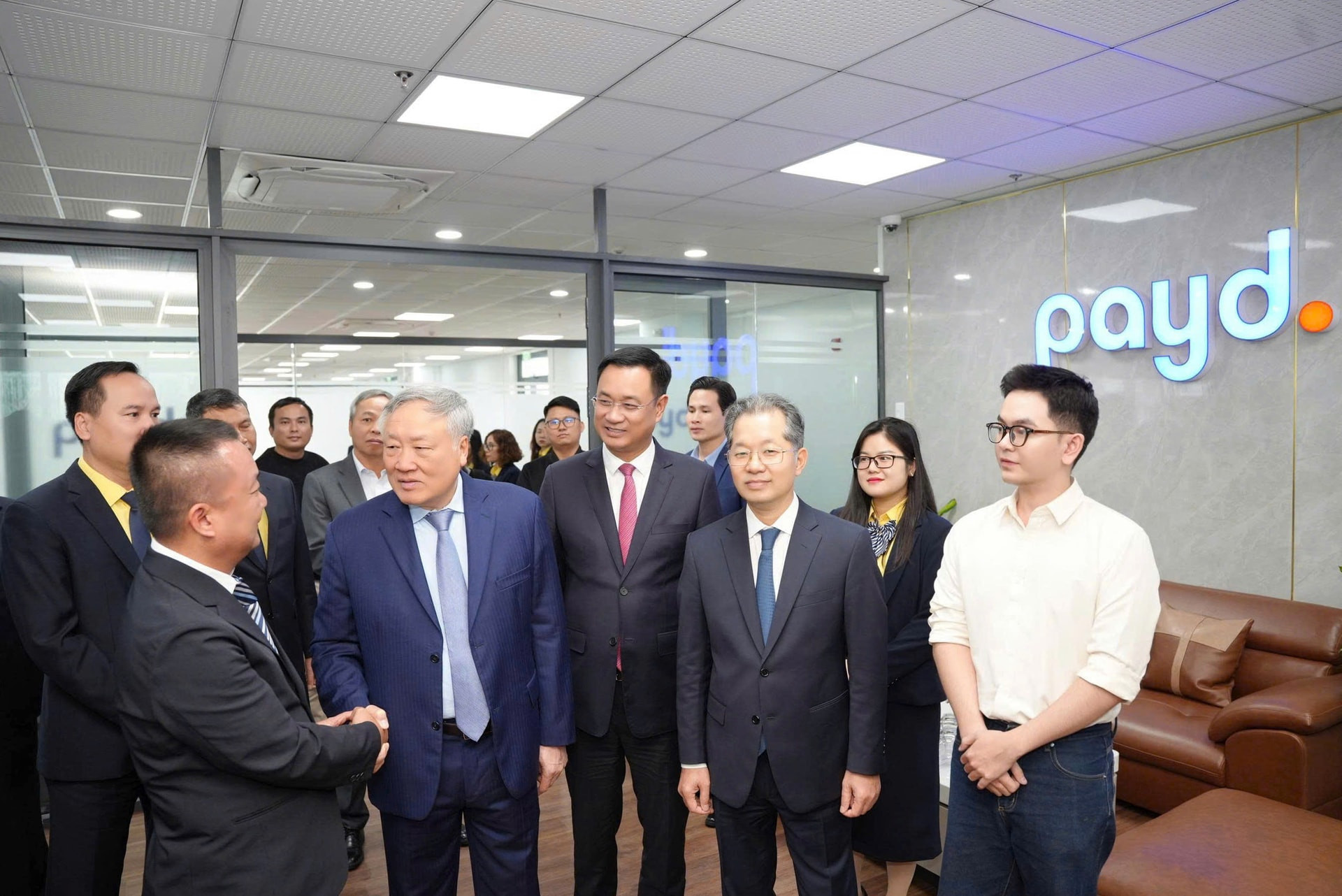
This marked a milestone as the first fintech platform selected to pilot digital asset payments for tourism and consumer services under a controlled regulatory sandbox.
Niche financial hub Anchored in tourism and innovation
The Vietnam IFC in Da Nang is being developed as a niche financial hub, capitalizing on the city’s strengths as a leading regional beach tourism destination.
In line with guidance from the Vietnamese Government and Da Nang administration, the centre prioritizes fintech, innovation, green finance and high value-added services that are closely connected to the real economy.
Within this strategic framework, PayD is regarded as a key component in advancing the vision of a “cashless tourism” ecosystem, addressing practical challenges faced by international travellers, particularly those who hold digital assets but lack legitimate and transparent channels to spend them at their destinations.
According to Le Duc Hanh, Chief Executive Officer of PayD JSC, the platform differs fundamentally from conventional financial intermediaries.
PayD is designed as a pure technology infrastructure layer and does not receive, hold or manage customer funds. Nor does it directly participate in the circulation of capital within the banking system.
Instead, PayD acts as a technical bridge, enabling visitors to use their digital assets and instantly convert them into Vietnamese dong (VND) when paying for accommodation, dining, shopping and entertainment services.
Under this model, all payments to service providers are processed through licensed commercial banks and authorized payment intermediaries.
This structure ensures that digital asset usage does not create a parallel financial system and remains fully compliant with existing legal regulations.
“By clearly separating the technology layer from monetary security, we significantly reduce the risk of informal capital flows. PayD does not alter the structure of the financial system, but provides a technical solution that allows digital assets to be used legally and safely in real economic activities”, Hanh said.

Controlled sandbox approach
As a sandbox participant at the Da Nang IFC, PayD is permitted to conduct pilot operations within a strictly defined scope, target group and transaction limits.
The platform incorporates multiple technical safeguards, including multi-layer electronic know-your-customer (eKYC) processes, geofencing, real-time transaction monitoring, and full traceability and reporting capabilities.
Along with that, PayD has committed to full compliance with anti-money laundering (AML) requirements, system security standards and user data protection regulations.
Because the platform does not hold customer assets and does not directly handle cash flows, financial risks are mitigated from the outset.

Joining the Da Nang IFC is not only a branding milestone but also an opportunity to refine a practical model that brings digital assets into direct service of the real economy.
Rather than focusing on speculative transactions, the solution is oriented toward concrete, everyday use cases aligned with tourists’ spending needs.
Experts have described Da Nang’s decision to allow controlled trials of platforms such as PayD as evidence of a “cautious but open” regulatory approach to digital assets.
While encouraging innovation and the growth of the digital economy, authorities continue to prioritize financial system stability and user protection.
PayD’s participation in the Da Nang IFC therefore reflects not only the strategic move of a fintech company, but also Da Nang’s cautious and well-regulated approach to testing new models, with the aim of advancing digital finance closely aligned with high-quality tourism and service industries.