

Documentary heritage comes into focus in Central Vietnam
DNO - Vietnam’s documentary heritage, often described as the nation’s collective historical and cultural memory, is gaining renewed attention as legal frameworks and preservation efforts expand, particularly in central Vietnam.
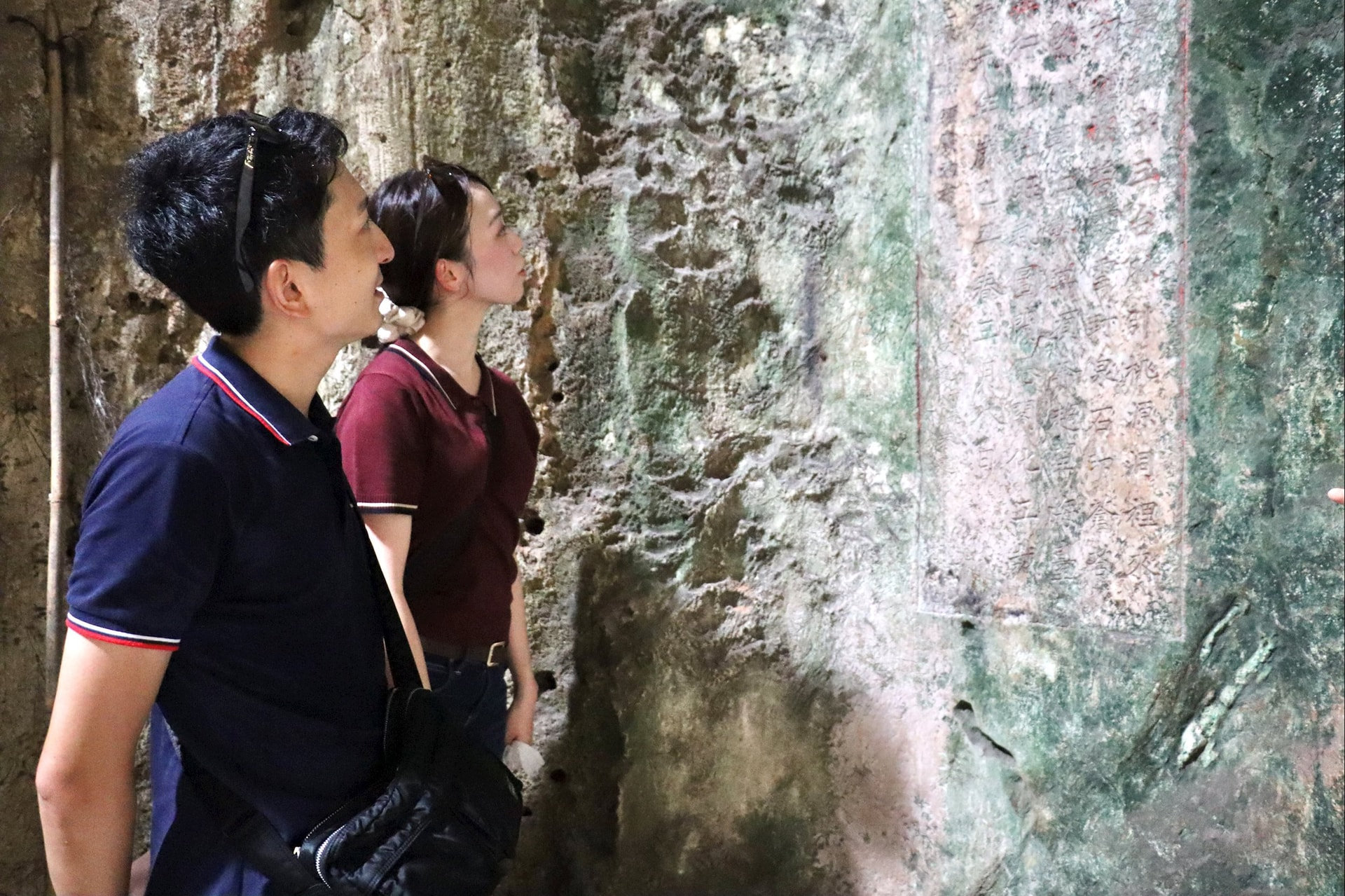
From royal decrees and ancient manuscripts to stone inscriptions and family archives, these materials are increasingly recognized as irreplaceable records of the country’s past.
In the ancient town of Hoi An, the ancestral house of the Nguyen Tuong clan preserves dozens of royal edicts issued by Vietnamese emperors Minh Mang, Thieu Tri, Tu Duc and Thanh Thai, alongside Han-Nom manuscripts, paintings, calligraphic works and rare books. The edicts have been safeguarded across generations and are regarded as treasured heirlooms.
Alongside family collections, hundreds of similar imperial decrees housed in communal houses, temples and shrines illustrate the richness of Hoi An’s traditional culture.
Da Nang has collected and digitized more than 2,000 pages of original documents and thousands of copies, including stone-rubbing records, woodblock prints and royal edicts. These materials help further clarify the outstanding universal value of Hoi An as a UNESCO World Heritage Site.
Across the former Quang Nam province, surveys have identified more than 450 stone steles, 1,200 royal decrees and thousands of Han-Nom inscriptions, along with Cham inscriptions considered the region’s oldest documentary heritage.
Da Nang, meanwhile, is home to the Ma Nhai (Inscriptions) at the Marble Mountains recognised as the Documentary Heritage under the UNESCO Memory of the World Programme for the Asia-Pacific Region, as well as extensive collections of ancient manuscripts and royal edicts.
In 2021, the Museum of Da Nang began digitizing more than 300 such documents.
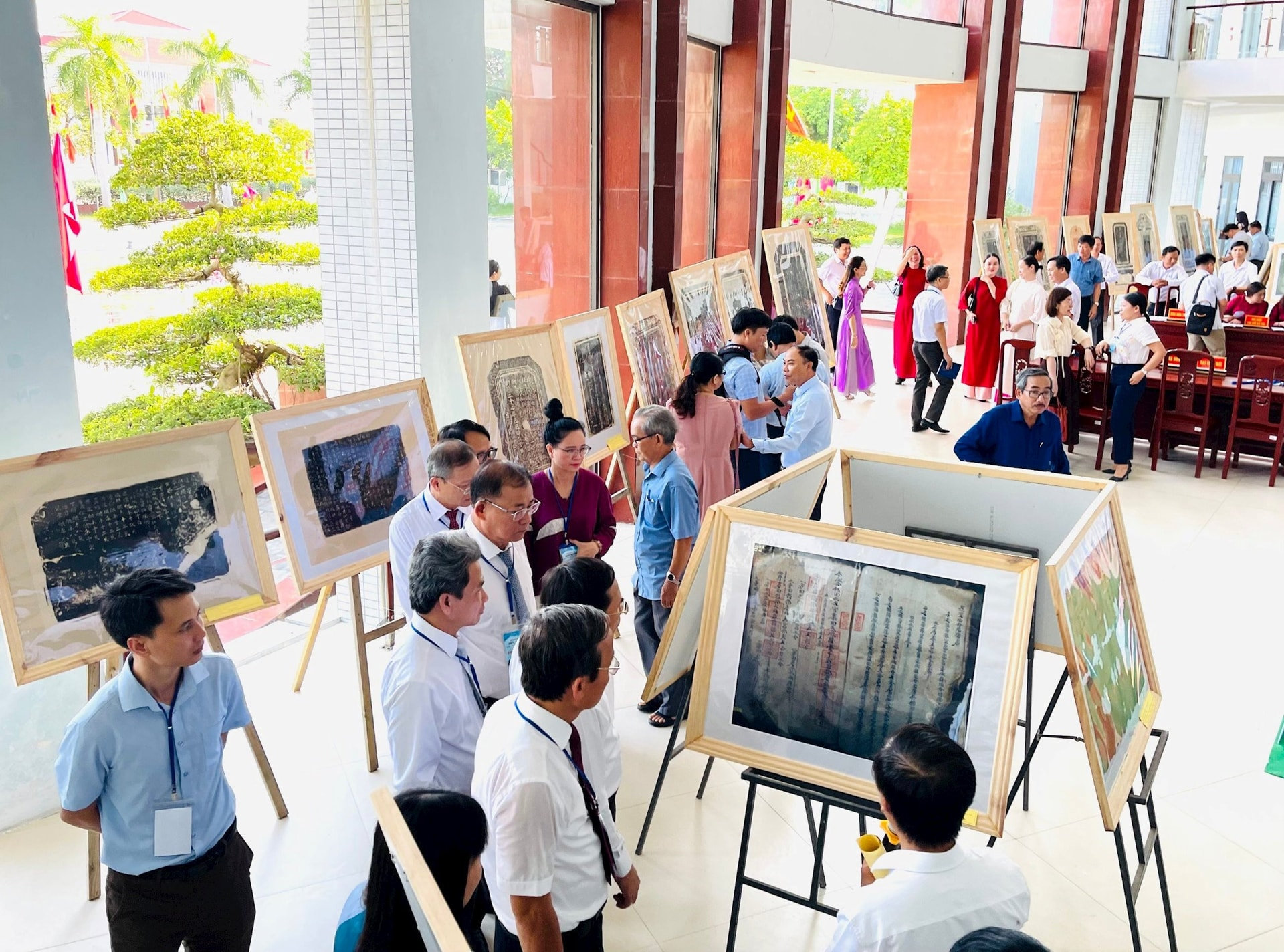
A major turning point comes with Vietnam’s amended Law on Cultural Heritage, which took effect on July 1, 2025.
The revised law expands the definition of documentary heritage beyond public institutions to include materials held by families, religious organizations and individuals, while placing digitalization at the center of preservation policy.
Experts say this creates new opportunities for safeguarding privately held collections, following the UNESCO recognition of composer Hoang Van’s archives as world documentary heritage.
However, scholars caution that central Vietnam’s harsh climate, marked by floods, humidity and extreme heat, poses serious risks.
Systematic inventory, scientific conservation and large-scale digitization are now seen as essential steps to ensure these fragile records endure for future generations.