

Enduring vitality of Hoi An’s Bai Choi tradition
DNO - Hoi An’s Bai Choi folk singing performance has evolved from a traditional form of community entertainment into a distinctive cultural tourism product that attracts both residents and visitors.
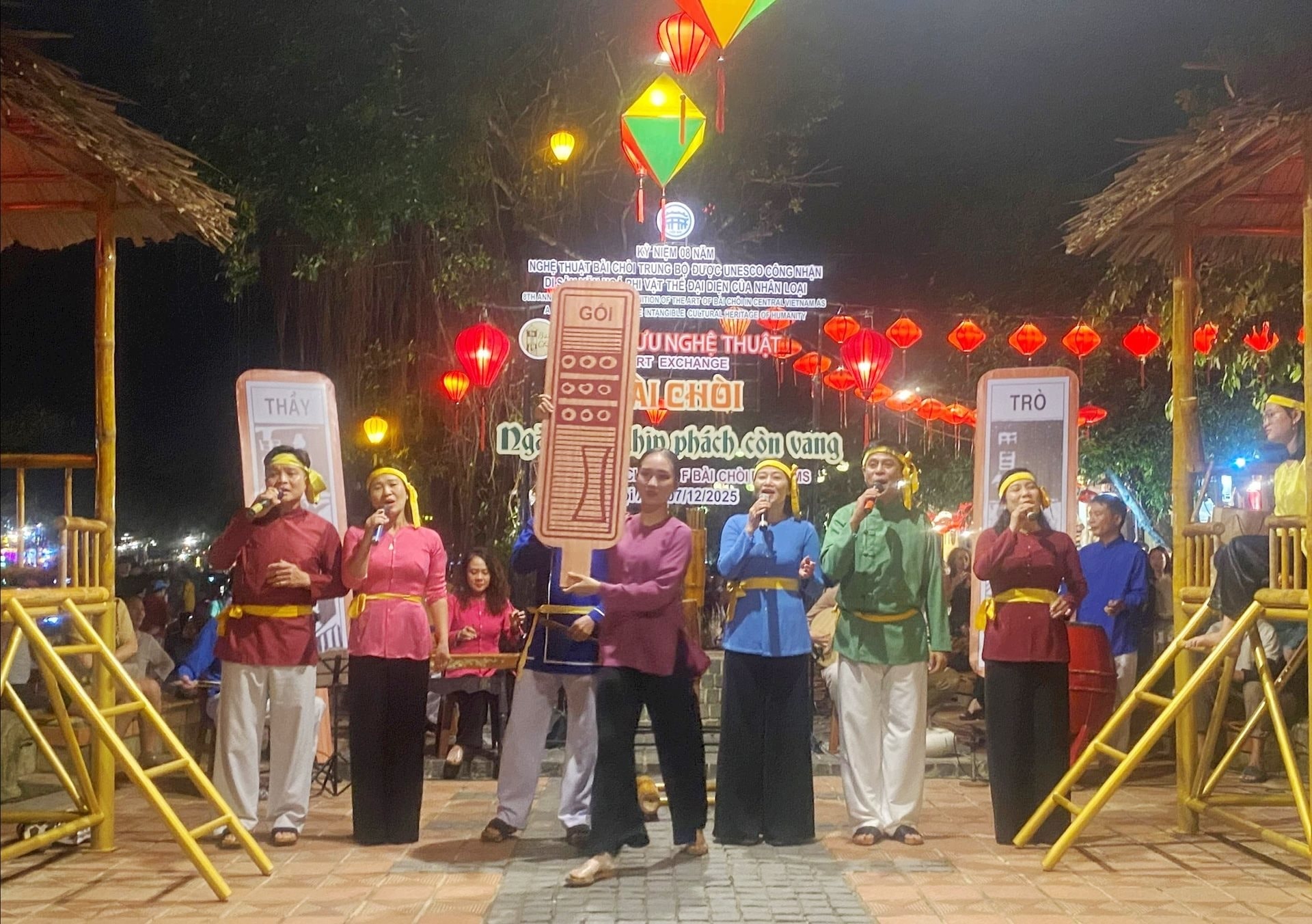
On the evening of December 7, the Hoi An Centre for Cultural Heritage Management and Preservation held an exchange programme with artists, experts, and researchers to mark the eighth anniversary of UNESCO’s recognition of Central Vietnam’s Bai Choi art as an Intangible Cultural Heritage of Humanity (2017 - 2025).
Under the theme “A Thousand Years of Bai Choi Rhythm Still Resonating,” the event celebrated the art form’s enduring contributions to the city’s heritage landscape.
According to Vo Phung, former Director of Hoi An’s Center for Culture - Sports and Radio - Television, Bai Choi has been widely practiced locally since 1983, when the first training classes were organized at the Hoi An Cultural House.
But its integration into tourism began on September 8, 1998, when the inaugural “Old Town Night” introduced Bai Choi performances to the public.
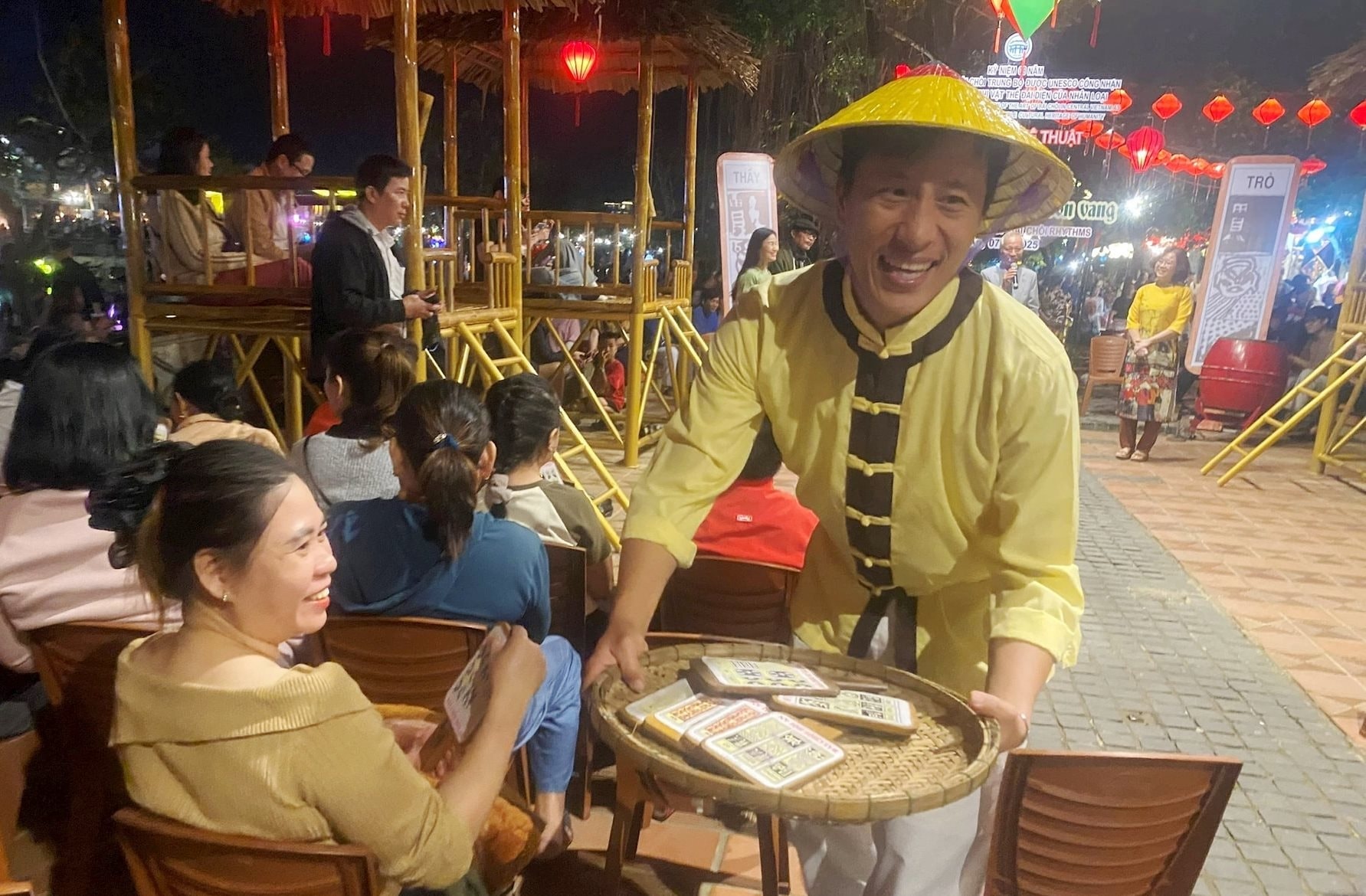
A milestone followed on January 16, 2010, when nightly Bai Choi shows officially began at the An Hoi Square, turning the folk performance into a signature tourism experience that continues today.
Cultural researcher Phung Tan Dong noted that Hoi An is one of the few localities that has successfully revived Bai Choi by transforming it into a sustainable tourism product.
What sets Hoi An’s Bai Choi apart is its strong local identity, from unique card names to distinct chanting styles rooted in ancient folk melodies, enriched by newly written verses from local artists.
Truong Thi Ngoc Cam, the Acting Director of the heritage center, emphasized that Bai Choi is “the breath of life” and a spiritual staple for Hoi An residents.
Its vitality stems not only from diverse forms of presentation but also from its presence in daily life and its transmission across generations.
The city continues to organize training programs, especially in schools, to nurture young practitioners and foster cultural pride.
Bai Choi also plays a key role in promoting Hoi An internationally, appearing at nearly every major event and earning warm reception from tourists.
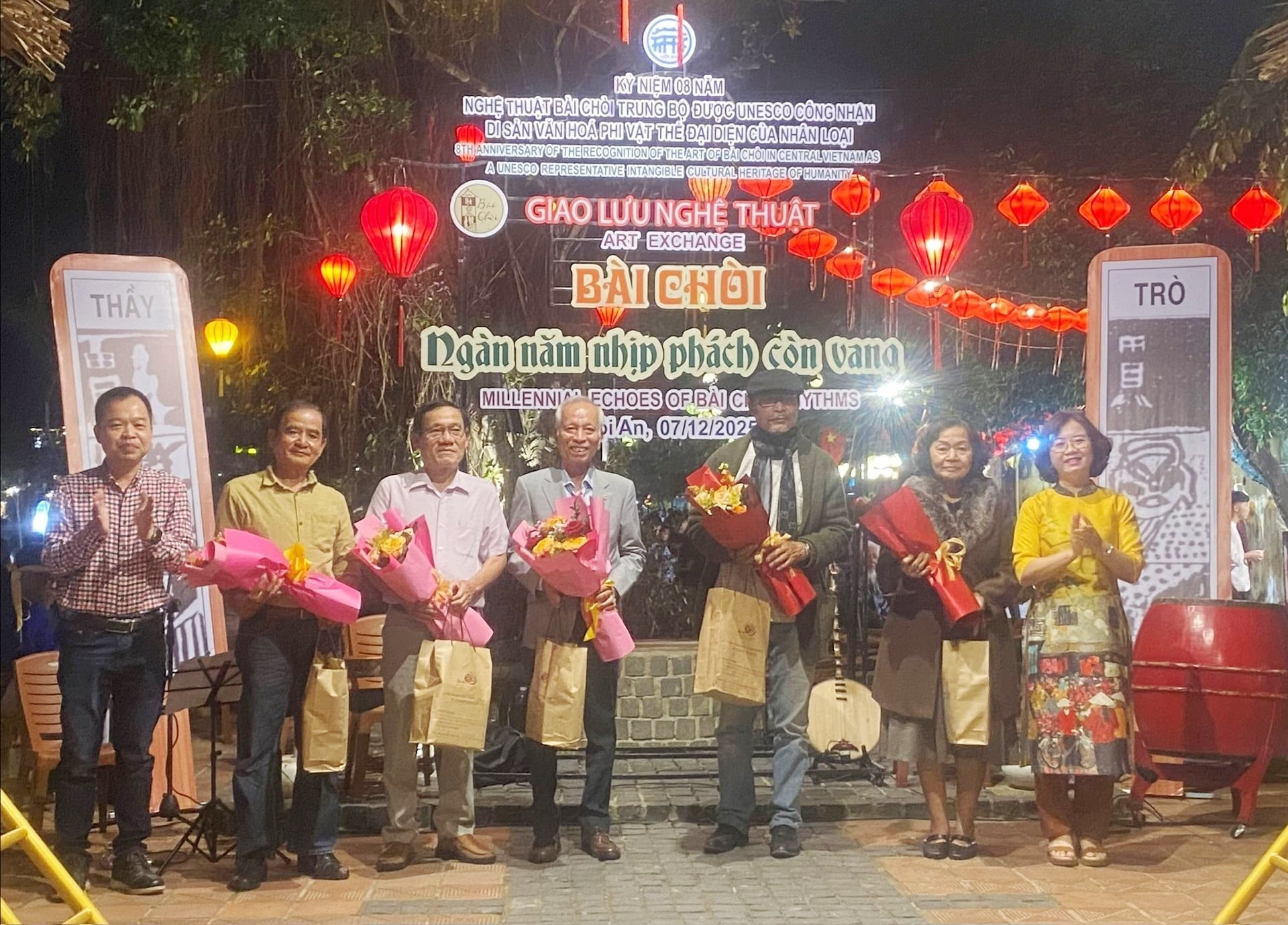
As Hoi An joins UNESCO’s Creative Cities Network, Bai Choi gains new momentum to grow, innovate, and further affirm its cultural significance both nationally and globally.
Bài Choi in Central Vietnam is a diverse art combining music, poetry, acting, painting and literature. Its practitioners include performers, card-making artists and hut-making artists.
Performers and their families play a major role in safeguarding the practice, and numerous dedicated groups continue to practise and celebrate it.
Most performers learn their skills within their family but specialist artists also transmit their knowledge in clubs, schools and associations.
UNESCO’s recognition confirms the diversified cultures of Việt Nam, strengthens the local community’s connectivity, promotes cultural diversity and encourages communication among individuals, communities and peoples.