

Traditional markets in Da Nang contribute to preserving urban culture and boosting tourism
DNO - In the context of rapid urban transformation, long-standing traditional markets across Da Nang have evolved beyond their basic role as trading venues to become vibrant spaces for culture and tourism.
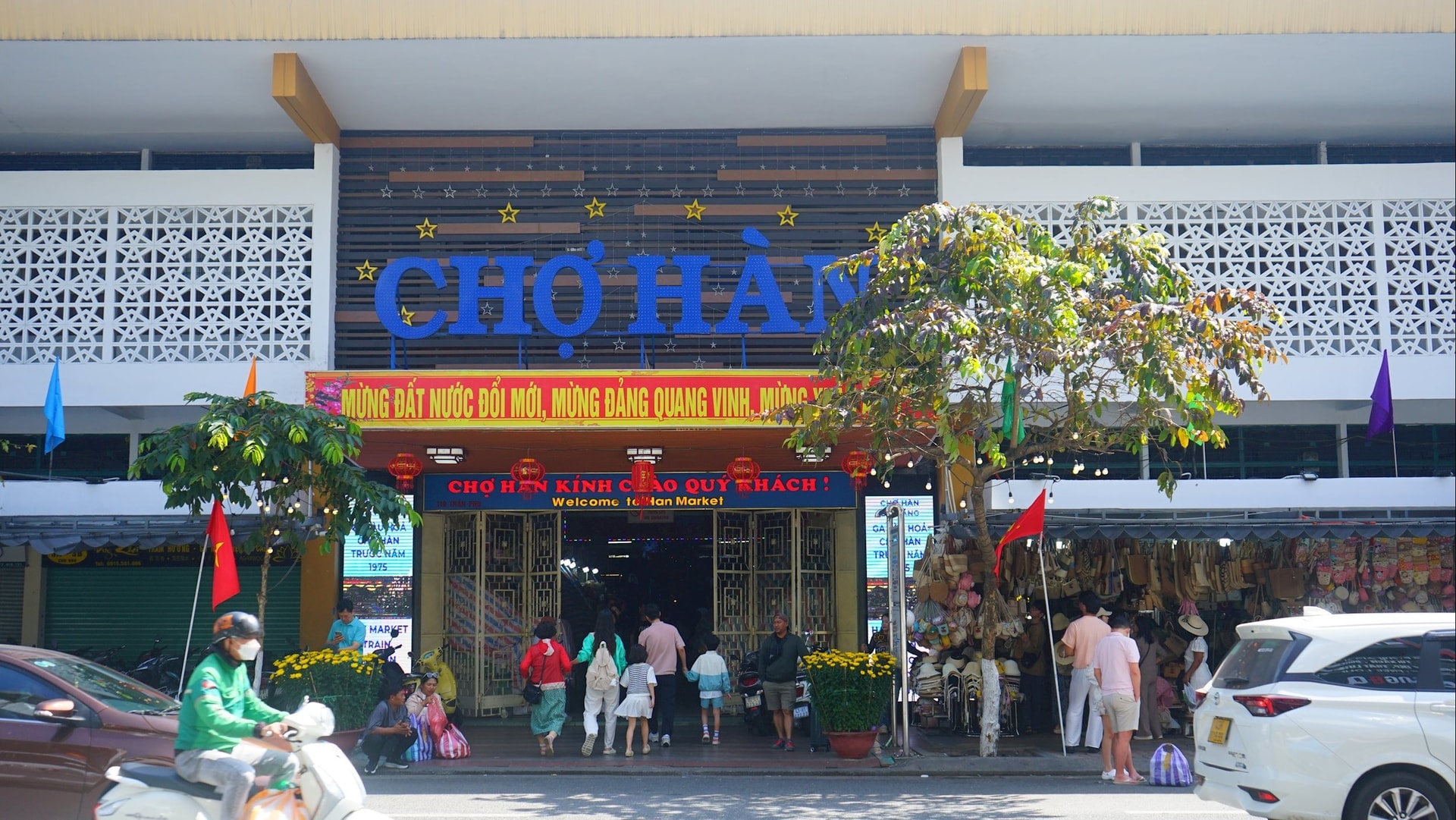
City's identity reflected through markets
Despite the rapid growth of shopping malls, supermarkets, and online retail channels, traditional markets are still popular thanks to their certain advantages.
The city-based Con Market is a typical example. Established in the 1940s, it has become a bustling commercial hub for thousands of traders and a must-visit destination for tourists at both home and abroad.
Visitors to the market have an opportunity to explore the cultural identity of the region. Buying a few local products, enjoying signature cuisine and simply listening to the distinctive local dialects are ways for them to blend into local lifestyle.
According to Master’s degree holder Nguyen Hoang Mai from the Vietnam National Institute of Culture, Arts, Sports and Tourism, traditional markets in Da Nang, especially major central markets, play a vital role in shaping a tourism space that harmonizes original values with modern life.
Along the Han River, traditional markets such as Con and Han serve as essential stopovers for visitors exploring the Bach Dang Walking Street, the APEC Sculpture Park, river cruises, and nearby museums including the Museum of Cham Sculpture, the Da Nang Museum, and the Dien Hai Citadel.
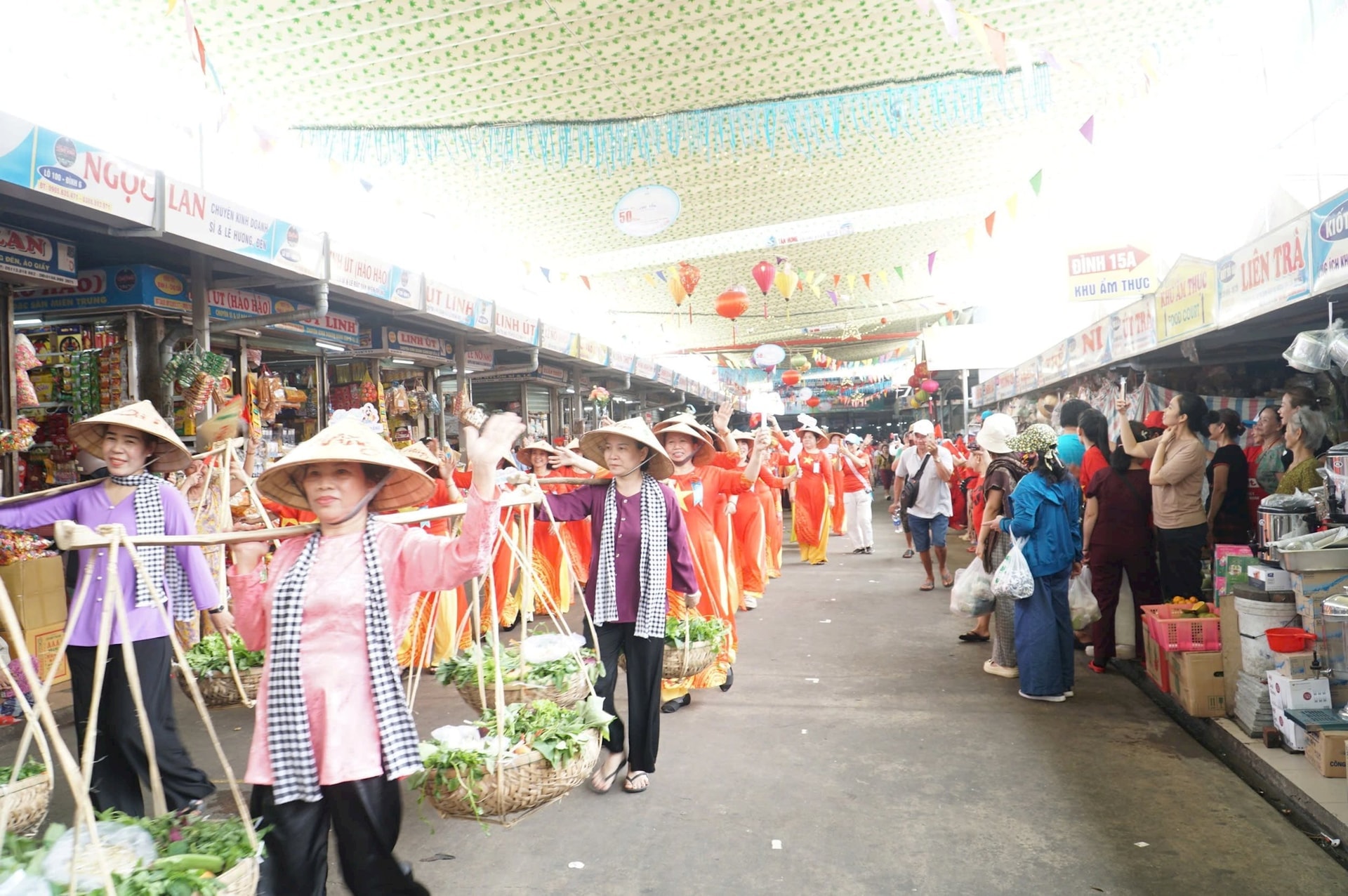
Markets serving tourism
Since 2022, the Da Nang People's Committee has approved a project to develop a number of “tourism-oriented markets”, aimed forming a system of modern tourist markets that embodies urban identity and creates unique tourism products.
By 2030, the city targets to develop a system of 11 such markets, mainly concentrated along the Han River and the eastern bank such as Han Market, Con Market, Bac My An Market and An Hai Bac Market. These markets will meet tourism-service criteria while maintaining their function as community markets.
By 2050, the city plans to add two more markets: Nai Hien Market and seafood market, bringing the total to 13 in the network.
According to Mr. John Hamilton, Executive Director of Marketing of InterContinental Danang Sun Peninsula Resort, the journey of tourists is not limited to staying at a hotel or walking on the beach but is extended to full-day explorations of city life and street-food culture in Da Nang.
This presents an opportunity for travel operators to integrate market visits into tourist itineraries like Hue’s famous Dong Ba Market, Lam Dong’s renowned Da Lat Market, and Da Nang’s own Con and Han markets.
From the policies and suggestions to shape the traditional market space in the modern flow, such markets should be developed beyond their commercial function to become cultural and tourism spaces, a symbol of a city rich in identity.