

Vietnam - S. Korea labour cooperation programmes proves highly effective
DNO - Seasonal labour cooperation programmes between Vietnam and South Korea are generating significant economic benefits.
In 2024, Ho Van Yeu and his wife from Nuoc Xa Village, Nam Tra My Commune, Da Nang worked for five months at a farm in Hamyang, Gyeongsangnam, South Korea.
From the selection stage to being received at the farm, local authorities maintained close contact, encouraging them to work diligently and comply with South Korean regulations. Their tasks included planting, tending, and harvesting vegetables and fruits.
“Farming suits the skills and diligence of people from the highlands. The farm owner treated us well and guided us patiently. After initial adjustment, we quickly adapted to the professional work environment", said Ho Van Yeu.
"Each of us saved over VND 25 million per month after living expenses. Returning home, we could build a more solid house and support our children’s education,”, he added.
Since July 1, Nam Tra My Commune has overseen the implementation of a ‘Cooperation Agreement on the Dispatch and Reception of Seasonal Agricultural Workers’ with Hamyang, following the dissolution of the former district-level authorities.
In 2025, 125 workers from five communes have already gone to South Korea, with around 100 more expected in late 2025 for 2026 programmes. Local authorities widely publicize recruitment, with Tra Leng Commune already filling its 40-worker quota.
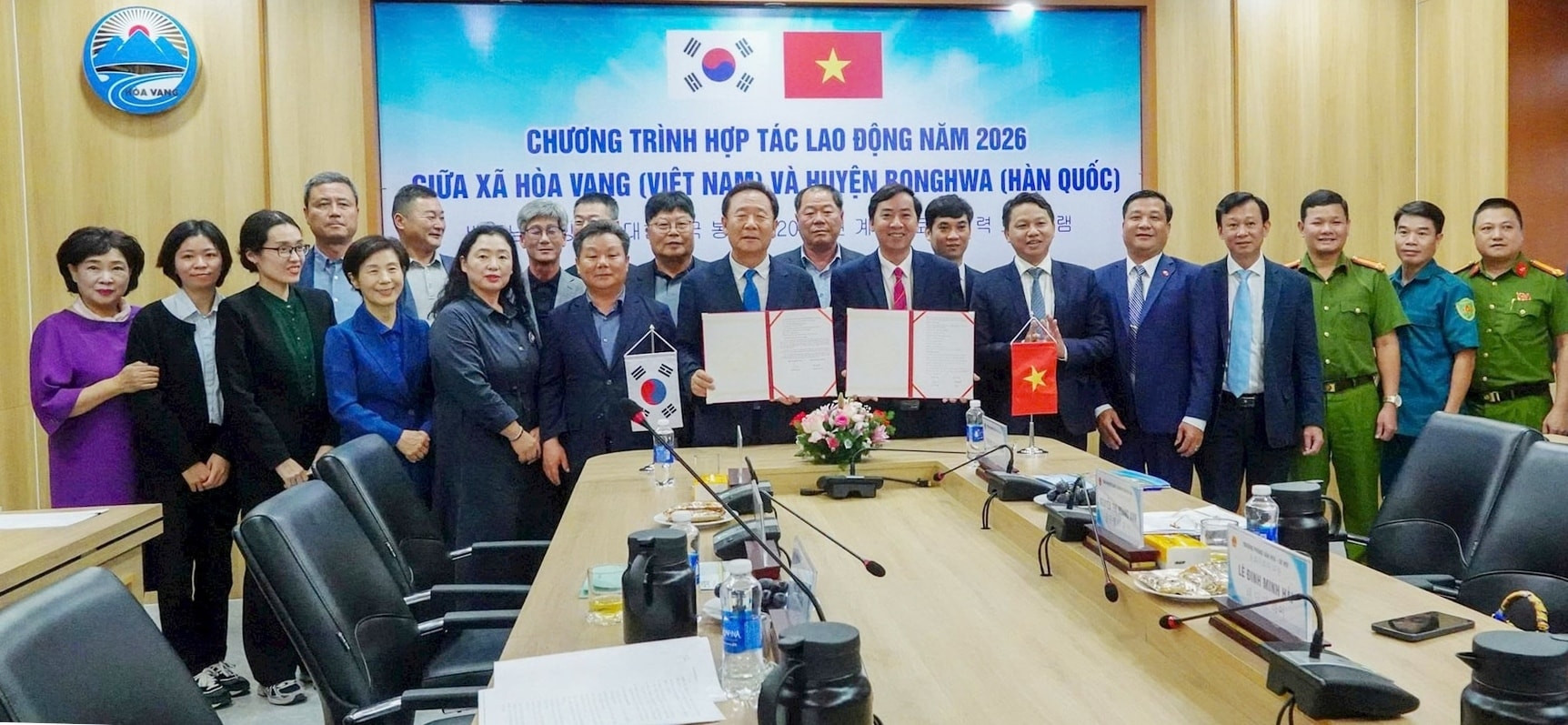
Similar programmes operate in Hoa Vang Commune with Bonghwa, and in Hiep Duc Commune with Seongju, Gyeongsangbuk.
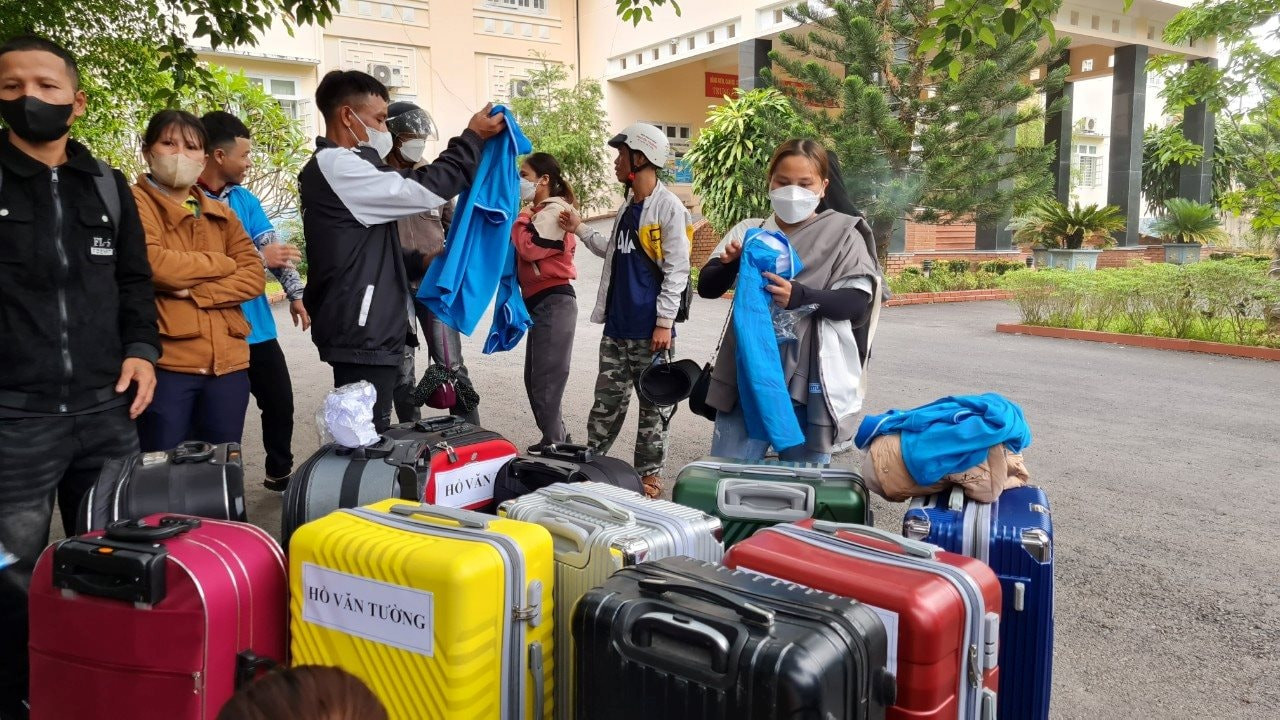
To support workers, the local authorities have partnered with the banks to provide low-interest loans to disadvantaged residents, enabling them to go abroad for work.
The Hiep Duc government also worked closely with Seongju District throughout the process of completing documents, procedures, and departure formalities.
Upon arrival in South Korea, the Seongju administration assigned staff to receive the Vietnamese workers and escort them to their workplaces. During their employment, any issues that arise are promptly addressed by both sides to ensure the protection of the workers’ rights.
These programmes not only raise household incomes but also lay the groundwork for deeper bilateral cooperation, offering rural residents enhanced employment opportunities, better living standards, and sustainable poverty reduction.