

Da Nang’s strategy to position itself as medical tourism hub
DNO - Da Nang eyes becoming a safe, modern destination which offers high-quality medical services and unique tourism experiences.
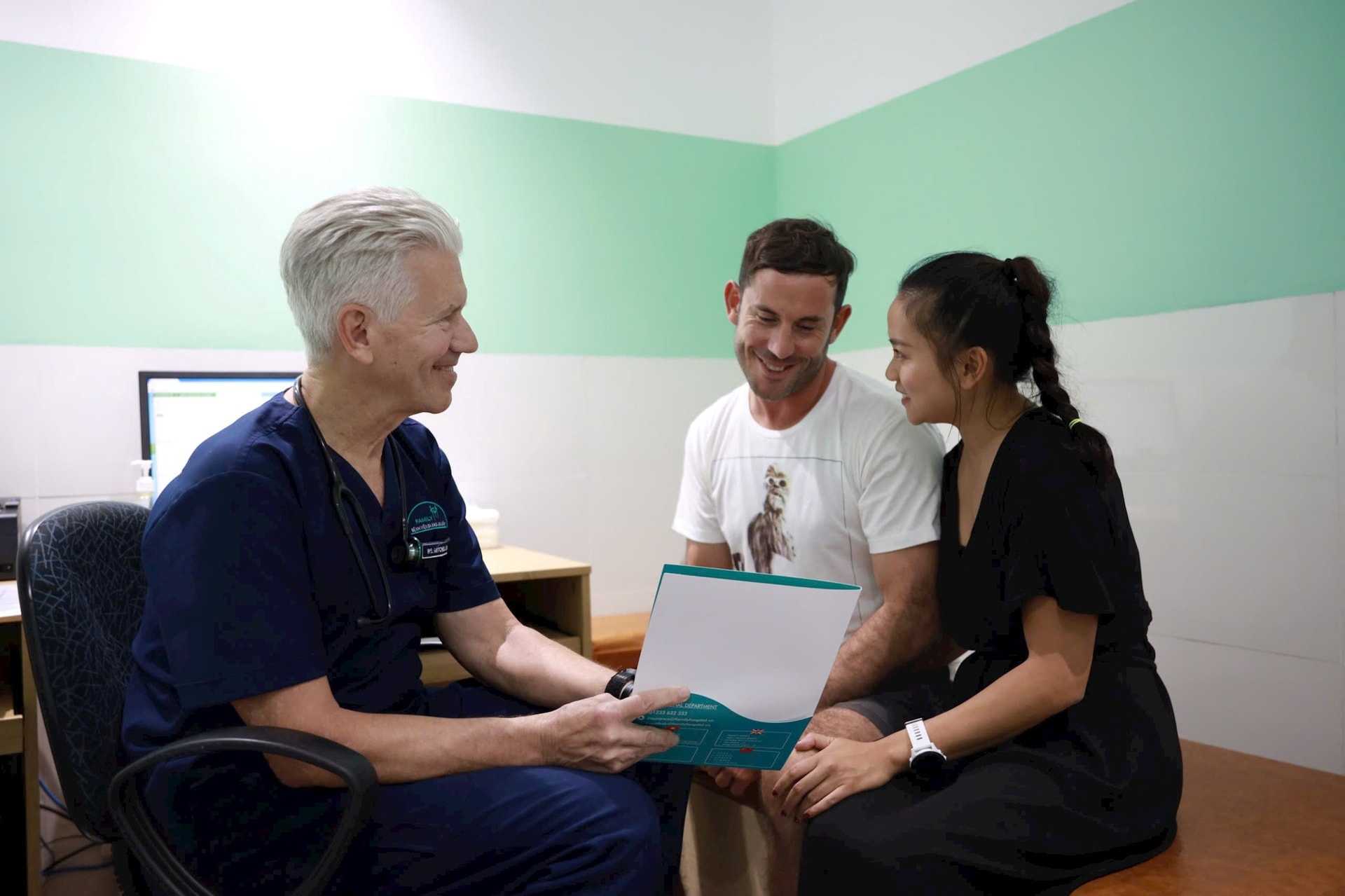
Da Nang is considered a locality with great potential and advantages in developing medical tourism.
“Da Nang boasts an outstanding dual infrastructure with a high-class tourism infrastructure (leading the country in five-star hotels) and a robust healthcare network. Nestled between mountains and the sea, the city offers patients not only advanced treatment services but also a peaceful environment for recovery. That is the city's strength to become the medical tourism capital of Central Vietnam and a new bright spot in Asia for integrated wellness care”, shared Mr. Tran Quoc Bao, Senior Advisor of Asian Hospital & Healthcare Management (AHHM).
In addition, Da Nang's implementation of its Medical Tourism Development Project for the 2025 - 2030 period demonstrates the city's readiness to enter this promising market.
Under its medical tourism development plan until 2030, with a vision to 2050, Da Nang will lay an emphasize on developing a system of international-standard medical facilities, as well as diversifying medical tourism products such as intensive treatment, rehabilitation, traditional medicine, wellness services, and therapeutic retreats.
The focus will be on strengthening human resource training, enhancing public-private partnership, boosting the application of digital technologies and artificial intelligence in management and service, and strongly promoting the image of "Da Nang - Destination of Health and Happiness" to international friends.
Experts say that the development of medical infrastructure must go hand in hand with technological infrastructure. Thailand, for example, has developed a strong “digital backbone” including the Central Imaging Hub and reached one million e-referrals to date.

Additionally, the city needs to integrate digital tools such as telemedicine, AI-assisted diagnostics, and unified data systems to improve clinical outcomes and patient experience.
Aside from tech application, the lack of a specialized medical visa policy remains a competitive disadvantage for Viet Nam in comparison with regional markets such as Thailand and Singapore.
Moreover, to build trust among international patients, experts underline the necessity for the city to incorporate international standards such as JCI accreditation (granted by the US Hospital Quality Accreditation Organization) into the healthcare system, while ensuring a high-quality patient journey from airport pickup to treatment and recovery.
Last but not least, the integration of modern health care methods with traditional medicine is considered essential to create unique, world-class experiences.
“For medical tourism to truly become a spearhead industry, the city should develop health tourism products associated with cultural values, relaxation and intensive care” said Mr. Nguyen Duc Quynh, Chairman of the Da Nang Hotel Association.